Product Review
Strom Focusmax
The UK's first UMP energy drink stacks citicoline, L-tyrosine, and Senactiv for real, dialed-in focus
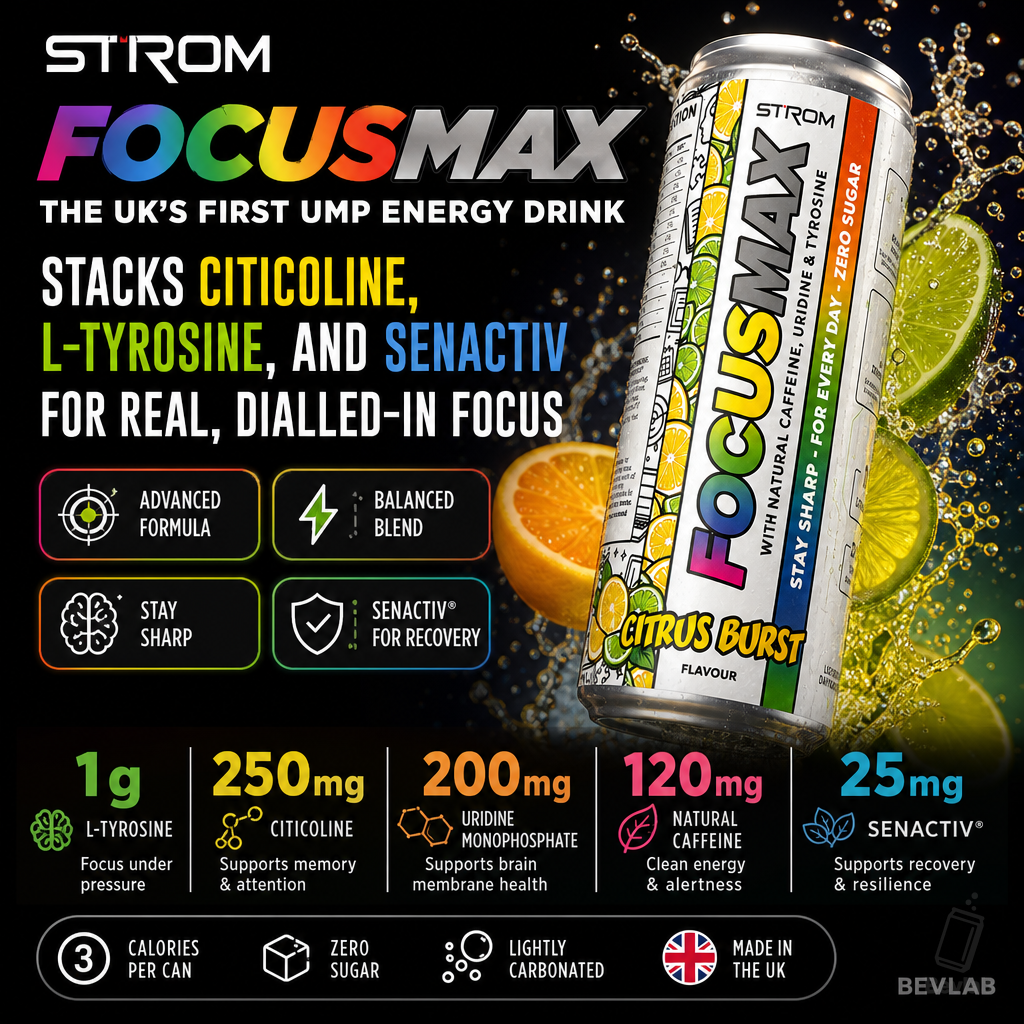
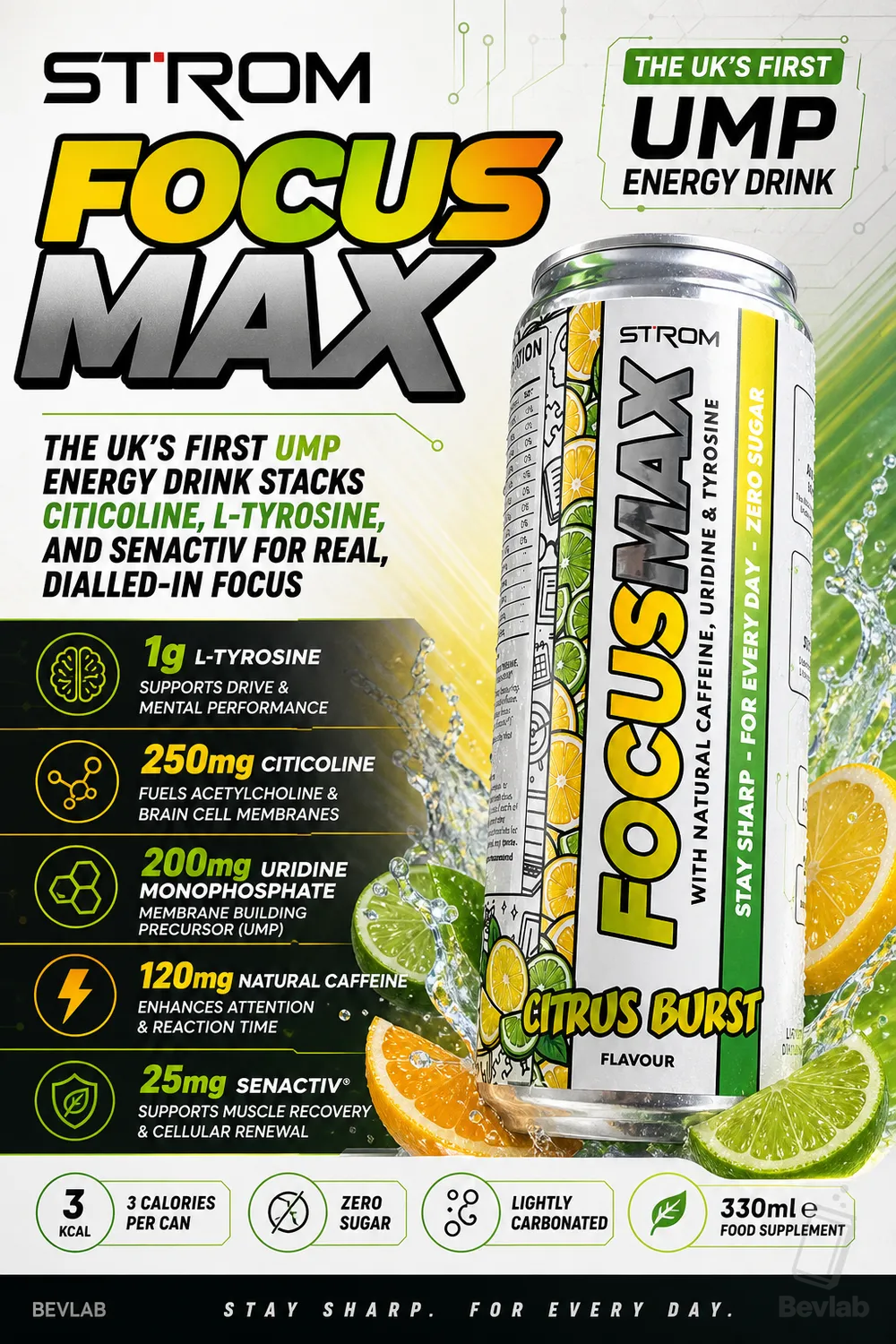
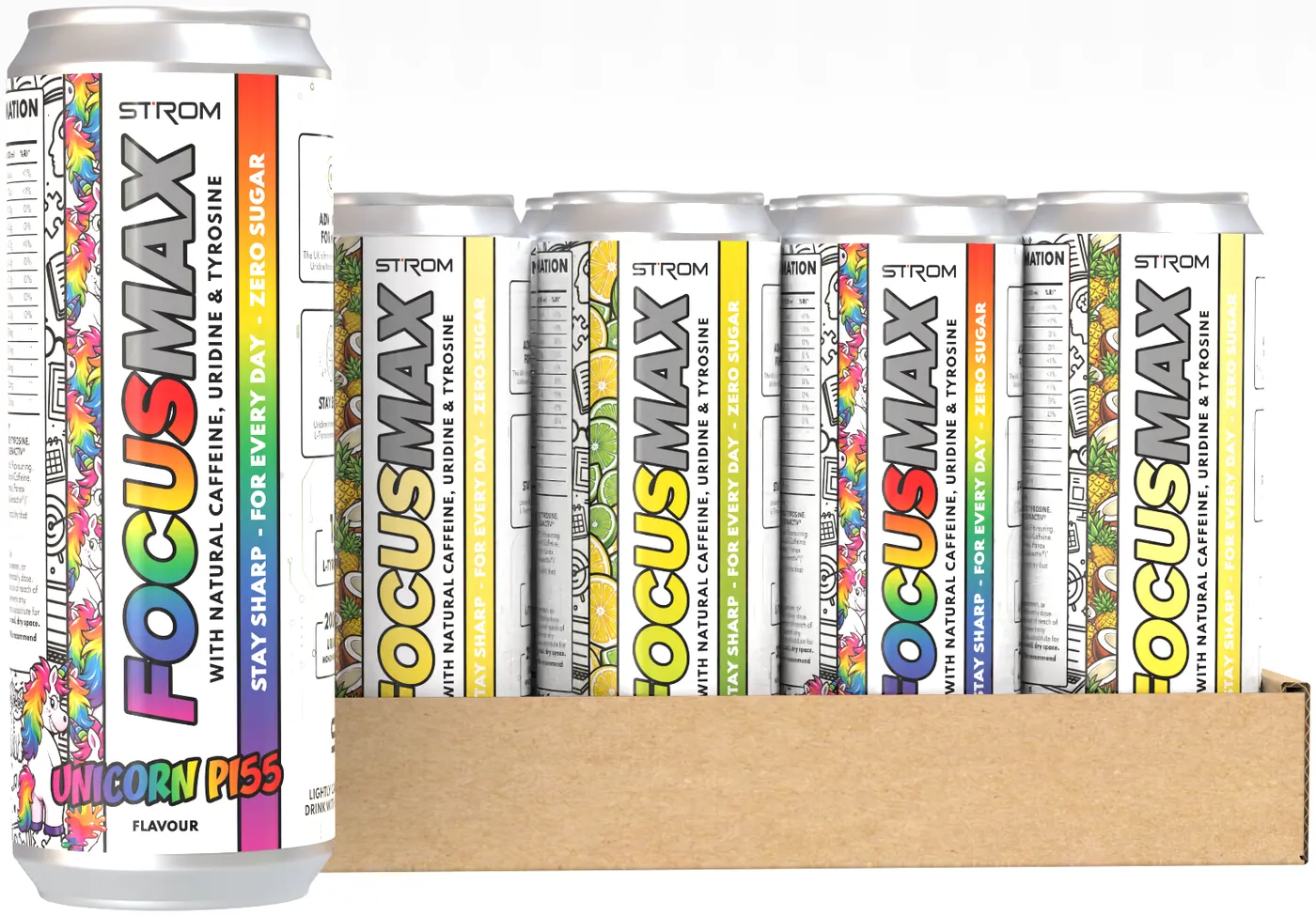
Strom Focusmax packs 1g L-tyrosine, 250mg citicoline, 200mg uridine monophosphate, and 120mg natural caffeine into the UK's first energy drink to use UMP.
There's a wide gap between energy drinks that claim to support focus and ones that actually build a formula around it. Strom Focusmax plants itself firmly in the second category.
The UK-born brand -- founded by bodybuilder and powerlifter Richard Foster and now expanding into the US under Dean Harris -- has spent over a decade building a reputation on clinical doses and no-compromise formulas across powders and capsules. Focusmax is their first foray into the functional RTD space, and the formula reflects exactly what you'd expect from a brand that built its name on athlete-grade supplements: a full nootropic stack anchored by three ingredients you almost never see together in a can.
The headline claim holds up: Focusmax is the UK's first energy drink to include uridine monophosphate, a membrane-building precursor with a meaningful research trail behind it. Pair that with 250mg citicoline, 1g L-tyrosine, and 25mg Senactiv alongside a moderate 120mg natural caffeine, and you've got a drink positioned well past the caffeine-and-B-vitamins tier. Richard Foster and Dean Harris discussed Strom's formulation philosophy when they appeared on Episode #187 of the PricePlow Podcast, which is worth a listen if you want to understand how the brand thinks and why the transatlantic difference in supplement standards matters.
The 330ml can clocks in at 3 calories, zero sugar, and lightly carbonated. This article digs into the science.
Watch Related Videos
Bevlab VideosStrom Focusmax Ingredients
Each 330ml can provides the following key actives:
-
L-Tyrosine - 1000mg
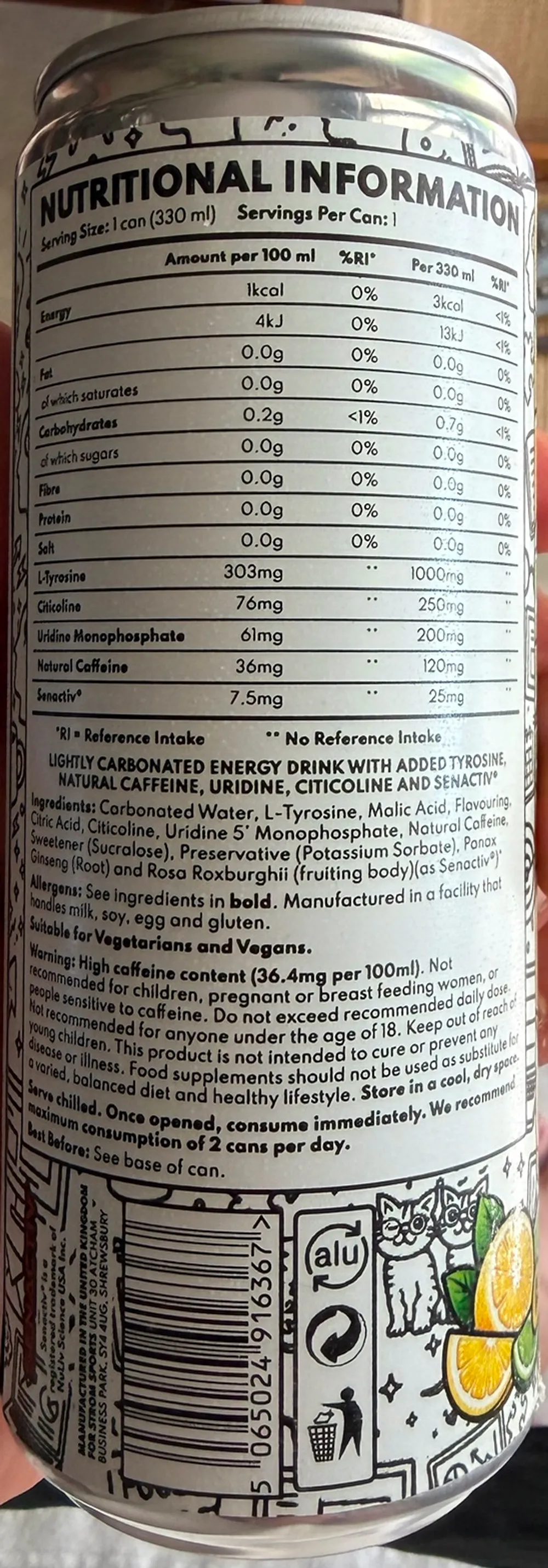
Strom Focusmax Ingredients L-Tyrosine is the amino acid your brain uses to make dopamine and norepinephrine, the neurotransmitters most closely tied to drive, motivation, and sharp thinking under pressure. At 1g per can, Focusmax is working with a dose that lines up with cognitive research on focus and working memory.[1]
Tyrosine works best when you're already under demand. Neurons aren't fully saturated with tyrosine under normal conditions, so when you're stressed, sleep-deprived, or mentally taxed, synthesis can become precursor-limited.[2] That's when supplemental tyrosine actually moves the needle, restoring neurotransmitter output rather than simply pushing catecholamines higher from a rested baseline. Studies across military training, sleep deprivation, and heat-stress protocols consistently show improvements in memory, vigilance, and reaction time when tyrosine is taken before demanding conditions.[3,4]
A combat training study by Deijen et al. showed meaningful memory and motor skill gains at 2g/day over a week of high-stress training.[5] The 1g dose in Focusmax falls within the range used in cognitive lab protocols that show working memory and mood benefits.[1] Take it before the work session, not after.
-
Citicoline - 250mg
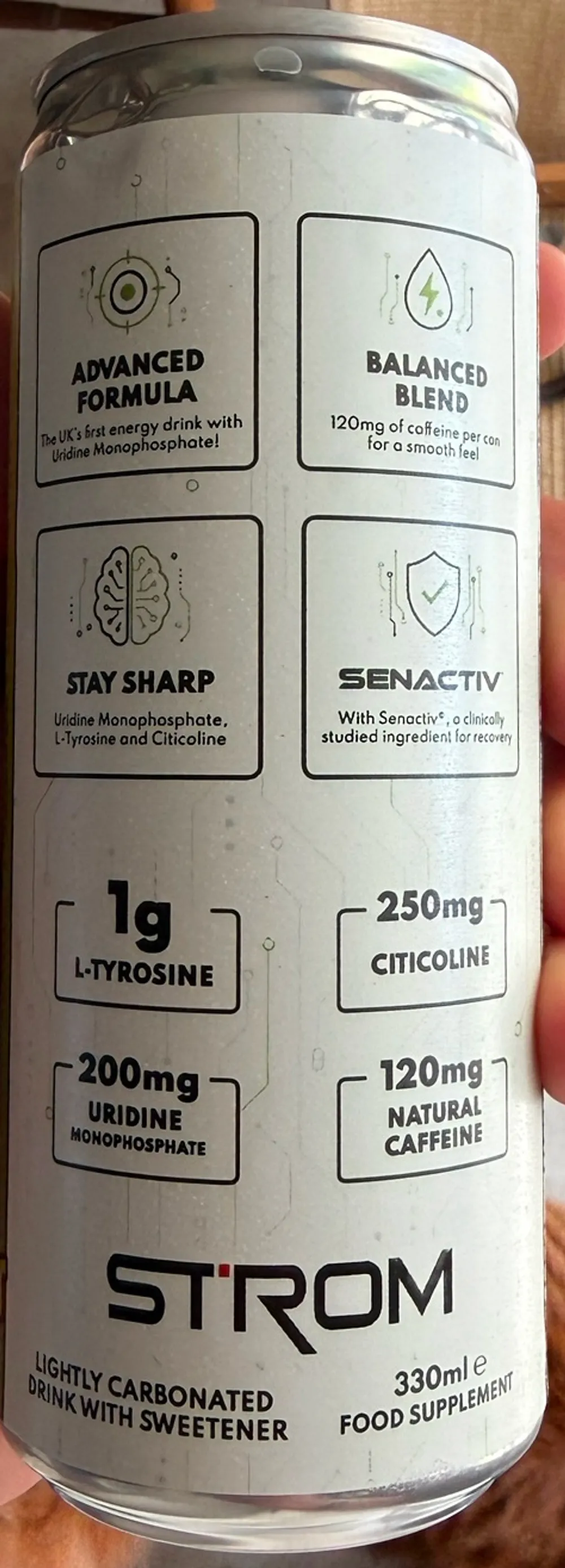
Citicoline (also called CDP-choline) is one of the more extensively studied nootropic ingredients in functional beverages. It breaks down in the gut to choline and cytidine, which are reassembled in the brain into CDP-choline, the direct precursor to phosphatidylcholine, the dominant structural phospholipid in neuronal membranes.[6] The choline fraction also feeds acetylcholine synthesis, which underpins memory formation and attentional signaling.[7]
The 250mg dose is notable because many products that include citicoline use cosmetic amounts in a blend. At 250mg, Focusmax is working with the starter dose that has shown real results in clinical trials. McGlade et al. found that 250mg/day for 28 days significantly reduced attention errors on a sustained focus test in healthy women.[8] A follow-up study in adolescent males at the same dose showed improved motor speed and selective attention.[9] On the bioenergetics side, citicoline at 500mg has been shown to increase phosphocreatine and ATP levels in the frontal lobe, the brain region most associated with executive function, as measured by MRS imaging.[10] For a 330ml can, 250mg is a real, functional dose.
-
Uridine Monophosphate - 200mg
Uridine monophosphate is the formula's most distinctive inclusion and the reason Strom can legitimately call this the UK's first energy drink to use it. UMP is a pyrimidine nucleotide found naturally in breast milk and many foods. As a supplement, it functions as an oral source of uridine, which is liberated after digestion and crosses into the brain via the high-affinity CNT2 transporter.[11]
Once inside neurons, uridine is phosphorylated to UTP and then CTP, the rate-limiting cofactor that drives the Kennedy cycle (the CDP-choline pathway) to produce phosphatidylcholine and phosphatidylethanolamine, the phospholipids that make up synaptic membranes.[12]
In plain terms: UMP gives the brain the raw material to build and maintain the membrane infrastructure that neuron-to-neuron communication depends on. A human mechanistic study using MRS imaging found that a week of oral uridine at 2g/day significantly increased brain phospholipid precursors, direct evidence it shifts brain membrane metabolism in living adults.[13] Animal work shows uridine and DHA together substantially raise synaptic proteins and increase dendritic spine density in hippocampal neurons.[14,15]
The 200mg dose is below the levels used in most standalone research, which typically runs 500-2,000mg. But the formula isn't relying on UMP alone. The above citicoline in the can also elevates circulating uridine (CDP-choline is itself a uridine source in human metabolism), confirmed by pharmacokinetic data showing that even 500mg CDP-choline produces a meaningful and sustained plasma uridine rise.[16] Together, these two ingredients create overlapping push through the same Kennedy cycle pathway.[17] The total uridine load from this formula is meaningfully higher than the UMP figure alone suggests.
-
Natural Caffeine - 120mg
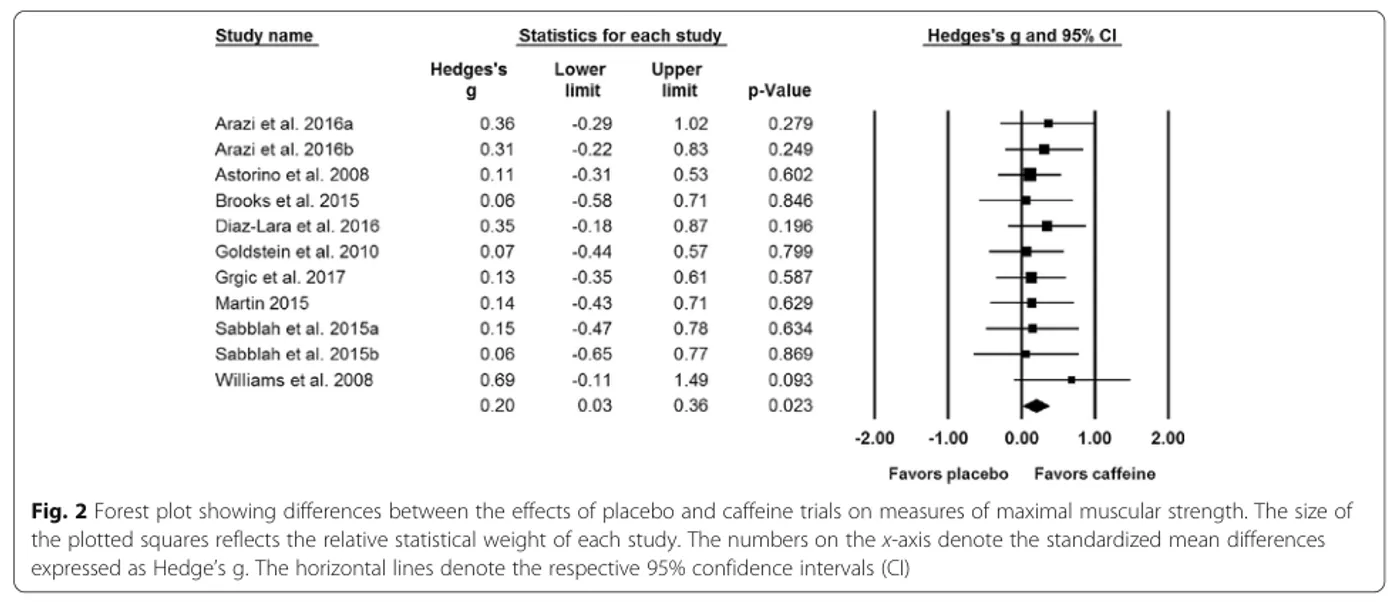
The Effects Of Caffeine Intake On Muscle Strength And Power: A Systematic Review And Meta-Analysis.[18] Caffeine blocks the tiredness signal in your brain by occupying adenosine receptors, specifically the A1 and A2a subtypes, which frees up stimulatory neurotransmitters like dopamine and norepinephrine that adenosine would otherwise suppress.[19] The result: sharper attention, faster reaction time, and reduced perceived effort.
At 120mg, Focusmax sits at the lower end of the energy drink range these days. Doses of 32-300mg reliably improve vigilance, sustained attention, and mood in both rested and fatigued individuals, and the effects follow an inverted-U curve -- more isn't always better.[19] The International Society of Sports Nutrition's position stand places the optimal ergogenic range for most performance outcomes at 3-6mg/kg, which for a 70kg person translates to roughly 210-420mg.[20]
But Focusmax isn't trying to be a pre-workout stimulant. It's trying to support clean, sustained focus, and 120mg is plenty for that without the jitteriness or anxiety that can come with higher doses.[21] Natural caffeine on the label means extraction from plant material like green coffee or tea rather than synthetic anhydrous caffeine, though the pharmacological effect is identical.
-
Senactiv - 25mg
Senactiv is a patented ingredient from NuLiv Science built from two standardized plant extracts: Panax notoginseng root (delivering ginsenoside Rg1 as the primary bioactive) and Rosa roxburghii fruit. Its mechanism is genuinely unusual for a focus drink -- it works via a senolytic pathway, clearing senescent (worn-out, non-dividing) cells from exercising muscle and replacing them with fresh, functionally better cells.[22]
Listen to Strom on
Episode #187 of the PricePlow Podcast
The Rg1 component activates macrophages through a nitric-oxide-dependent mechanism, dramatically lowering beta-galactosidase markers of cellular senescence in exercised human skeletal muscle.[23] In the same trials, satellite cells, the muscle stem cells responsible for repair and regeneration, were fully protected from the depletion that normally follows intense aerobic exercise.[24] A randomized crossover trial found roughly a 20% improvement in time to exhaustion at 80% VO2max with a single Rg1 dose, alongside a 47% increase in citrate synthase activity (a proxy for mitochondrial density) three hours post-exercise.[25]
The clinically validated dose in Senactiv's published studies is 50mg of the combined blend, which means the 25mg in Focusmax is half the studied dose. However, this is a dose we've still had success with on the endurance front. For a focus and productivity drink, even a partial dose adds a recovery-oriented angle that broadens Focusmax's use case beyond pure cognitive support.
-
Other Ingredients
- Carbonated Water - the base. Light carbonation rather than the aggressive fizz found in standard energy drinks. Post-exercise research also shows carbonated water can help restore blood pressure and mood state during recovery faster than still water.[26]
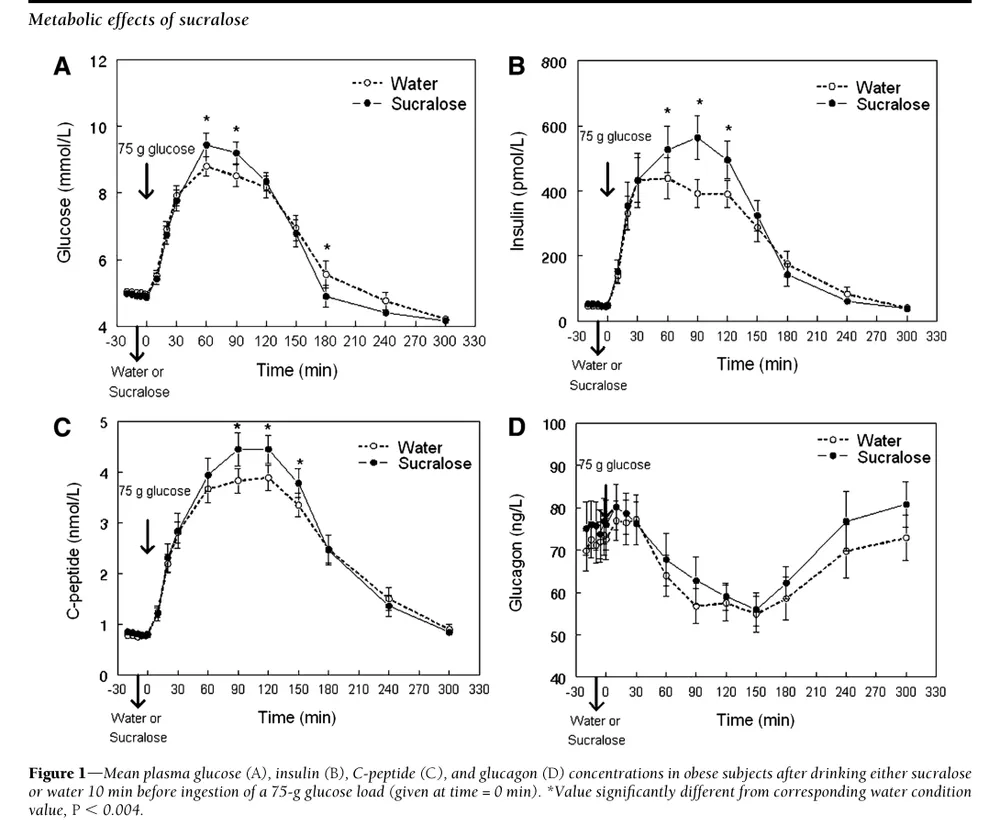
Sucralose affects glycemic and hormonal responses to an oral glucose load.[27] - Malic Acid - a naturally-occurring organic acid concentrated in apples and grapes that provides the tart backbone of flavors like Citrus Burst. It's also a TCA cycle intermediate involved in cellular energy production and lactic acid buffering, though the amounts used here are for flavor rather than ergogenic effect.
- Citric Acid - standard acidulant. Lowers pH for stability and flavor brightness, reinforcing the citrus profile.
- Sucralose (Sweetener) - zero-calorie sweetener roughly 600 times sweeter than sugar by weight. Keeps the can at 3 calories and 0g sugar.
- Potassium Sorbate (Preservative) - standard antimicrobial preservative effective against yeasts and molds, used at regulatory-compliant levels in shelf-stable beverages.
- Natural & Artificial Flavors - Natural flavors are derived from botanical or animal sources; artificial flavors are synthesized but often chemically identical to their natural counterparts.
Flavors Available
- Citrus Burst (Not in stock at any PricePlow partner stores)
- Pineapple Coconut (Not in stock at any PricePlow partner stores)
- Unicorn Pi55 (Not in stock at any PricePlow partner stores)
- Variety Pack (Not in stock at any PricePlow partner stores)
Who It's For
-
Knowledge workers and students: The tyrosine-citicoline-UMP stack is built for sustained cognitive output, not physical stimulation. If your metric is hours of focused work, this formula speaks directly to that use case.
-
Gym-goers and athletes who train and work: Senactiv and the moderate caffeine dose make Focusmax functional across both a training block and the desk session that follows. It's not just a focus drink -- it's a recovery-aware one.
-
Anyone who wants something different: This is a unique energy drink. High focus, lower caffeine. If you like something like Bum Energy, this has all of that and much, much more.
The Formula Earns the Positioning
Focusmax does what a lot of drinks claim to do and very few actually formulate for. The UMP-citicoline combination creates a dual-pathway push through the Kennedy cycle that's mechanistically coherent and genuinely novel in a beverage format. The 1g L-tyrosine dose is real. The citicoline at 250mg is a meaningful clinical dose, not a label-dusting amount.
The 120mg caffeine is enough to move attention and reaction time without the overreach that crashes focus two hours later.[19] Senactiv at 25mg is below the studied 50mg dose, but it adds a recovery dimension you won't find anywhere else in this category. If you want a clean energy drink that actually thinks about what happens inside your head and your muscles, not just the stimulant spike, Focusmax is worth cracking.
More Related Videos
Bevlab VideosFollow @BevlabMedia on TikTok and Instagram for more formula breakdowns and energy drink coverage.
References
- Jongkees, Bryant J, et al. "Effect of tyrosine supplementation on clinical and healthy populations under stress or cognitive demands--A review." Journal of psychiatric research, 2015. https://doi.org/10.1016/j.jpsychires.2015.08.014
- Fernstrom, John D. et al. "Tyrosine, Phenylalanine, and Catecholamine Synthesis and Function in the Brain." The Journal of Nutrition, 2007. https://doi.org/10.1093/jn/137.6.1539s
- Attipoe, Selasi, et al. "Tyrosine for Mitigating Stress and Enhancing Performance in Healthy Adult Humans, a Rapid Evidence Assessment of the Literature." Military medicine, 2015. https://doi.org/10.7205/MILMED-D-14-00594
- López-Gil, José Francisco, et al. "A comparison of tyrosine against placebo, phentermine, caffeine, and D-amphetamine during sleep deprivation." Frontiers in Behavioral Neuroscience, 2022. https://doi.org/10.3389/fnbeh.2022.860241
- Smid, Dagmar J. et al. "Tyrosine improves cognitive performance and reduces blood pressure in cadets after one week of a combat training course." Frontiers in Physiology, 2025. https://doi.org/10.3389/fphys.2025.1539615
- Conant, Richard, et al. "Therapeutic applications of citicoline for stroke and cognitive dysfunction in the elderly: a review of the literature." Alternative medicine review : a journal of clinical therapeutic, 2004. https://pubmed.ncbi.nlm.nih.gov/15005642/
- Secades, Julio J, et al. "Citicoline: pharmacological and clinical review, 2006 update." Methods and findings in experimental and clinical pharmacology, 2006. https://pubmed.ncbi.nlm.nih.gov/17171187/
- McGlade, Erin, et al. "Improved Attentional Performance Following Citicoline Administration In Healthy Adult Women." Food and Nutrition Sciences, 2012. https://doi.org/10.4236/fns.2012.36103
- McGlade, Erin, et al. "The Effect of Citicoline Supplementation on Motor Speed and Attention in Adolescent Males." Journal of attention disorders, 2019. https://doi.org/10.1177/1087054715593633
- Silveri, M M, et al. "Citicoline enhances frontal lobe bioenergetics as measured by phosphorus magnetic resonance spectroscopy." NMR in biomedicine, 2008. https://doi.org/10.1002/nbm.1281
- Cansev, Mehmet. "Uridine and cytidine in the brain: their transport and utilization." Brain research reviews, 2006. https://doi.org/10.1016/j.brainresrev.2006.05.001
- Cansev, Mehmet, et al. "Oral uridine-5'-monophosphate (UMP) increases brain CDP-choline levels in gerbils." Brain research, 2005. https://doi.org/10.1016/j.brainres.2005.07.054
- Agarwal, Nivedita, et al. "Short-term administration of uridine increases brain membrane phospholipid precursors in healthy adults: a 31-phosphorus magnetic resonance spectroscopy study at 4T." Bipolar disorders, 2010. https://doi.org/10.1111/j.1399-5618.2010.00884.x
- Wurtman, Richard J, et al. "Synaptic proteins and phospholipids are increased in gerbil brain by administering uridine plus docosahexaenoic acid orally." Brain research, 2006. https://doi.org/10.1016/j.brainres.2006.03.019
- Wurtman, Richard J. "Synapse formation and cognitive brain development: effect of docosahexaenoic acid and other dietary constituents." Metabolism: clinical and experimental, 2008. https://doi.org/10.1016/j.metabol.2008.07.007
- Wurtman, R J, et al. "Effect of oral CDP-choline on plasma choline and uridine levels in humans." Biochemical pharmacology, 2000. https://doi.org/10.1016/s0006-2952(00)00436-6
- Cansev, Mehmet, et al. "Oral administration of circulating precursors for membrane phosphatides can promote the synthesis of new brain synapses." Alzheimer's & dementia : the journal of the Alzheimer's Association, 2008. https://doi.org/10.1016/j.jalz.2007.10.005
- Grgic, Jozo, et al. "Effects Of Caffeine Intake On Muscle Strength And Power A Systematic Review And Meta Analysis." Journal of the International Society of Sports Nutrition, 2018. https://doi.org/10.1186/s12970-018-0216-0
- McLellan, Tom M. et al. "A Review Of Caffeine S Effects On Cognitive Physical And Occupational Performance." Neuroscience & Biobehavioral Reviews, 2016. https://doi.org/10.1016/j.neubiorev.2016.09.001
- Guest, Nanci S. et al. "International Society Of Sports Nutrition Position Stand Caffeine And Exercise Performance." Journal of the International Society of Sports Nutrition, 2021. https://doi.org/10.1186/s12970-020-00383-4
- Wikoff, Daniele, et al. "Systematic review of the potential adverse effects of caffeine consumption in healthy adults, pregnant women, adolescents, and children." Food and chemical toxicology : an international journal published for the British Industrial Biological Research Association, 2017. https://doi.org/10.1016/j.fct.2017.04.002
- Kuo, Chia-Hua. "Exercise Against Aging Darwinian Natural Selection Among Fit And Unfit Cells Inside Human Body." Journal of Science in Sport and Exercise, 2019. https://doi.org/10.1007/s42978-019-0002-y
- Wu, Jinfu, et al. "Ginsenoside Rg1 supplementation clears senescence-associated β-galactosidase in exercising human skeletal muscle." Journal of ginseng research, 2019. https://doi.org/10.1016/j.jgr.2018.06.002
- Wu, Jinfu, et al. "Satellite Cells Depletion In Exercising Human Skeletal Muscle Is Restored By Ginseng Component Rg1 Supplementation." Journal of Functional Foods, 2019. https://doi.org/10.1016/j.j
- Hou, Chien-Wen, et al. "Improved Inflammatory Balance Of Human Skeletal Muscle During Exercise After Supplementations Of The Ginseng Based Steroid Rg1." PloS one, 2015. https://doi.org/10.1371/journal.pone.0116387
- Kajiki, Masanobu, et al. "Ingesting carbonated water post-exercise in the heat transiently ameliorates hypotension and enhances mood state." Experimental physiology, 2024. https://doi.org/10.1113/EP091925
- Pepino, M Yanina, et al. "Sucralose affects glycemic and hormonal responses to an oral glucose load." Diabetes care, 2013. https://doi.org/10.2337/dc12-2221
Tagged