TRIP Mindful Blend: Magnesium Leads, Botanicals Follow
A caffeine-free sparkling can built for the wind-down
Magnesium is the one dose TRIP Mindful Blend discloses, and the calm soda flavors itself with named botanicals like ginger, elderflower, and mint.
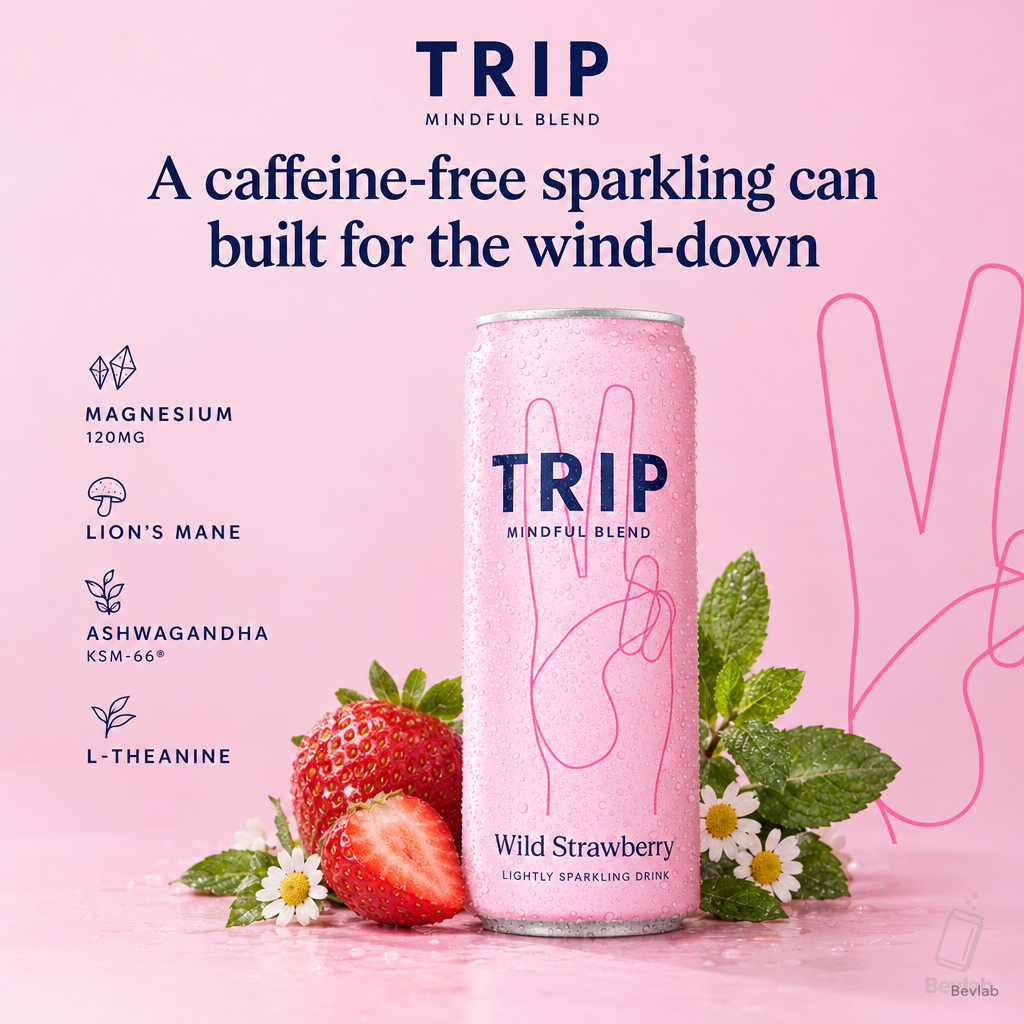
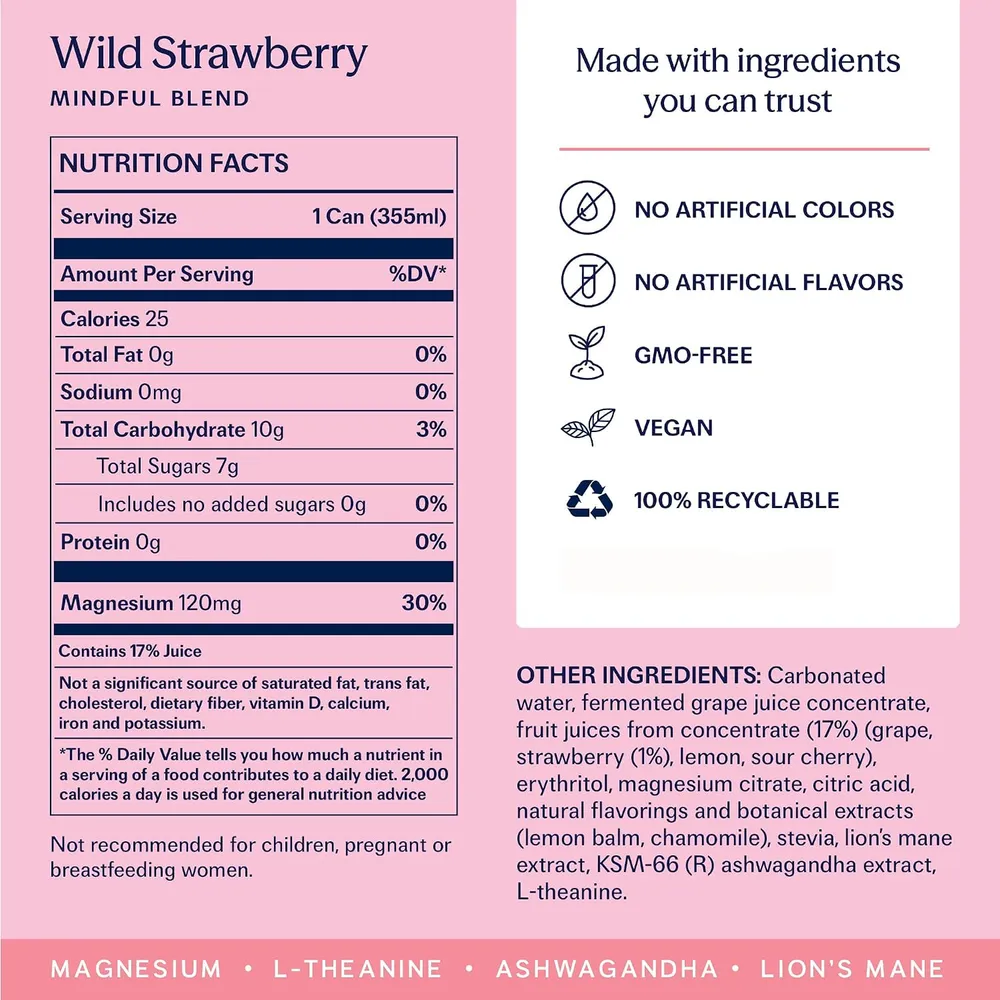
TRIP sells calm the way energy drink brands sell energy, and TRIP Mindful Blend is its US flagship. Husband-and-wife founders Olivia Ferdi and Daniel Khoury started the brand in 2019, and Mindful Blend is the lightly sparkling, caffeine-free can at the center of it. The formula leads with 120mg of magnesium and stacks familiar names from the calm aisle around it: lion's mane, KSM-66® ashwagandha, L-theanine, lemon balm, and chamomile, with ginseng added in some flavors.
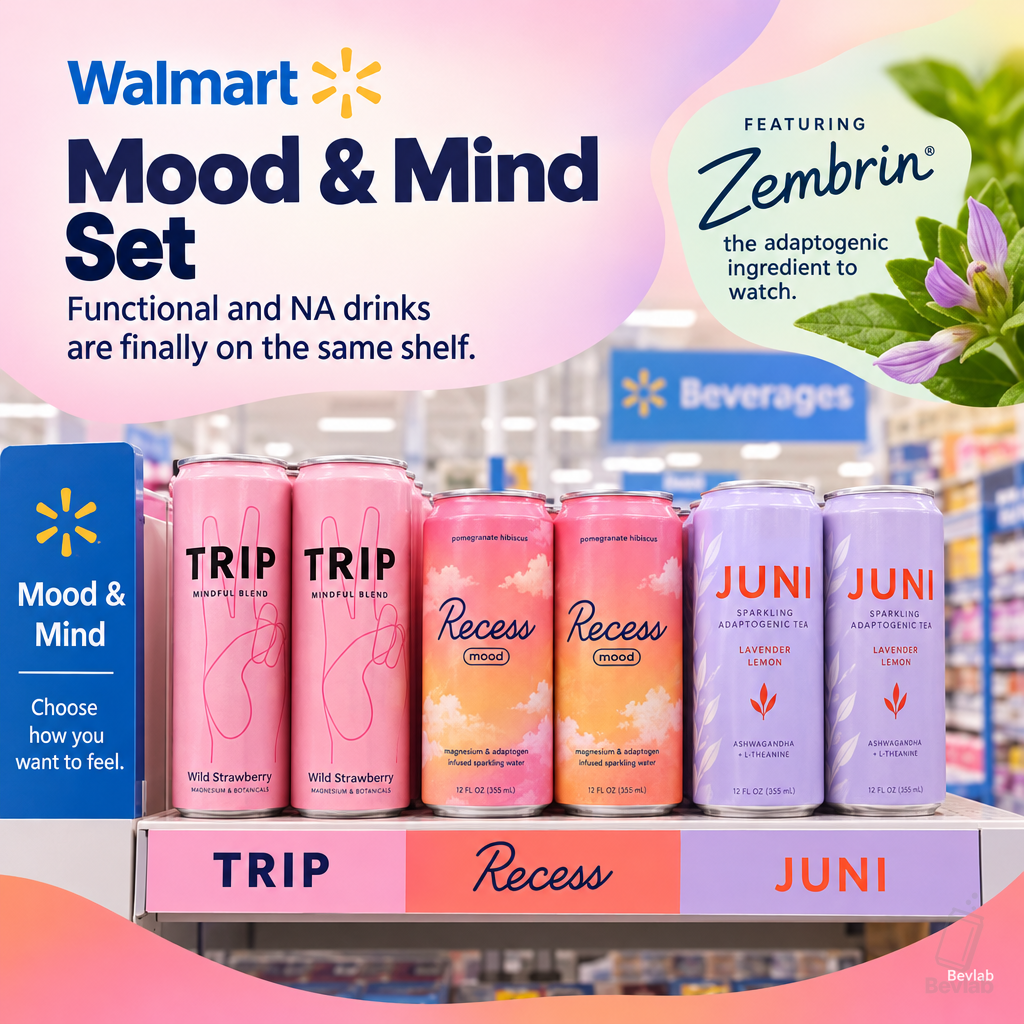
The other story is on the ingredient list. Instead of stopping at a generic "natural flavors" line, each can names the real botanicals that flavor it. The numbers stay light too, with 25 calories, a few grams of sugar from fruit juice, and an erythritol and stevia sweetener system. After going nationwide in the US in 2025, TRIP landed in Walmart's Mood & Mind set in October 2026, a dedicated shelf for drinks built around calm and mood.
How TRIP Builds a Calm Can
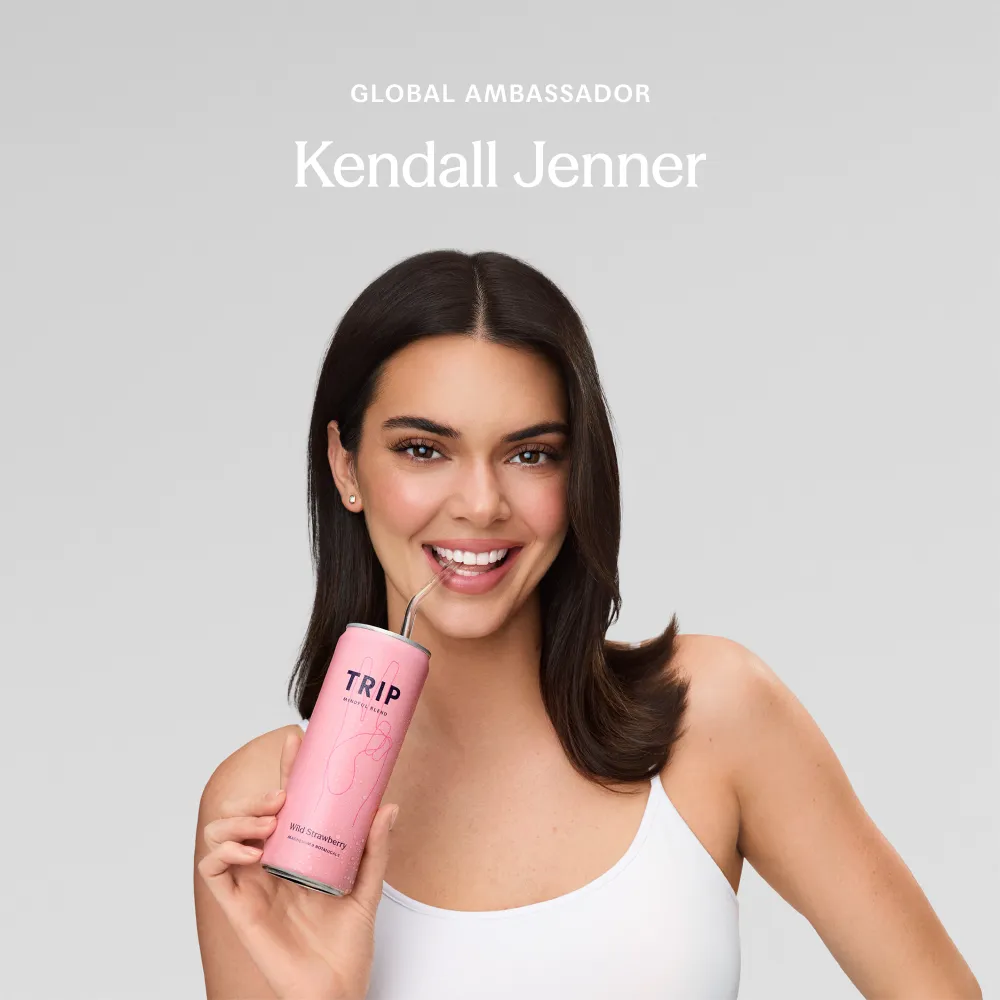
TRIP grew across Europe and North America before its US push, and its pitch is easy to follow: calm is a daily need, and a can is a convenient way to get a moment of it. Mindful Blend is positioned as a swap for the afternoon soda or the evening drink, and the brand signed Kendall Jenner as Global Ambassador to carry that message. There's no caffeine on the ingredient list, so this is a drink for slowing down, not gearing up.
The ingredient picks make sense for that goal. Magnesium does most of the marketing work, and it's the one ingredient with a printed amount. Lion's mane, KSM-66 ashwagandha, and L-theanine get front-of-can billing, while lemon balm and chamomile sit in every flavor. Using a named, clinically studied ashwagandha extract is a good sign for a beverage, since plenty of products just write "ashwagandha" and leave you guessing.
The tradeoff is disclosure. Outside of magnesium, TRIP doesn't list amounts for any of its functional ingredients. US ingredient lists run in descending order by weight, and lion's mane, KSM-66, and L-theanine close out the list after stevia. The research below tells you what each ingredient has done in studies, not what a single can delivers.
The can also carries a warning that it isn't recommended for children or for pregnant or breastfeeding women.
TRIP Mindful Blend Nutrition Facts
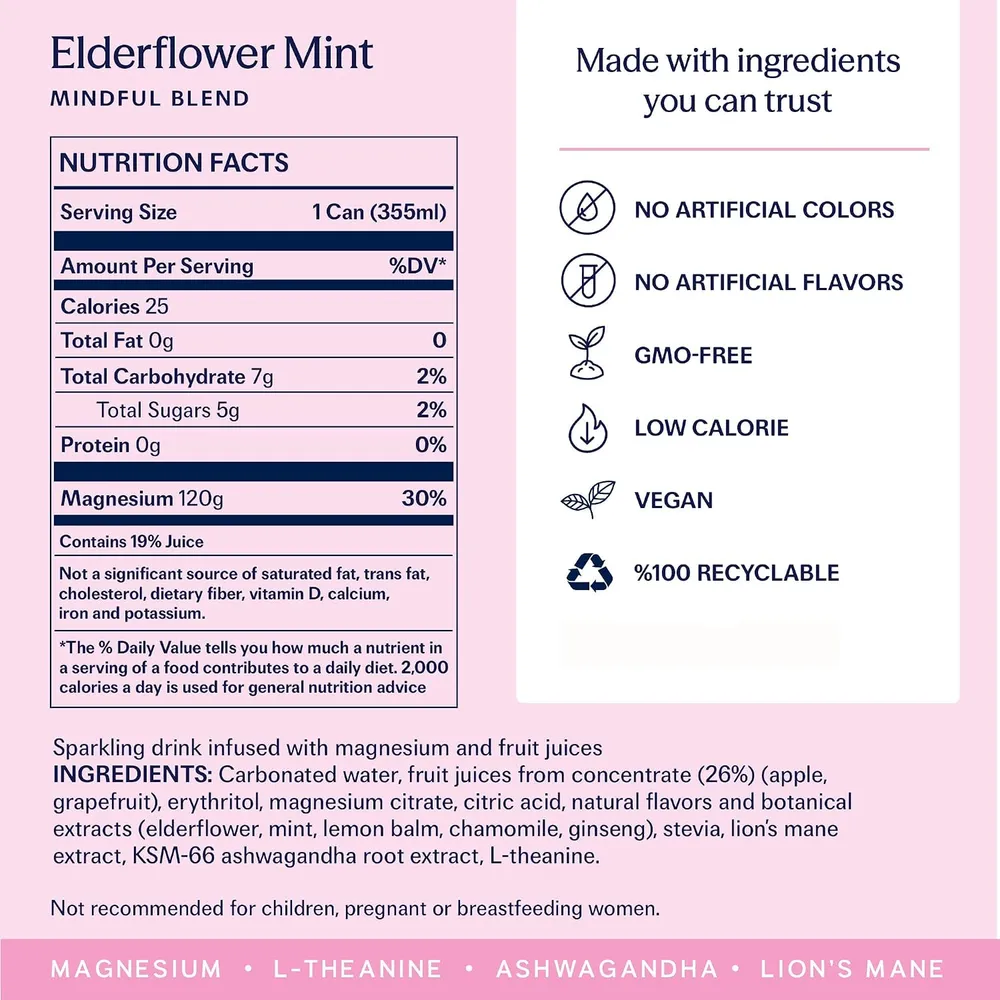
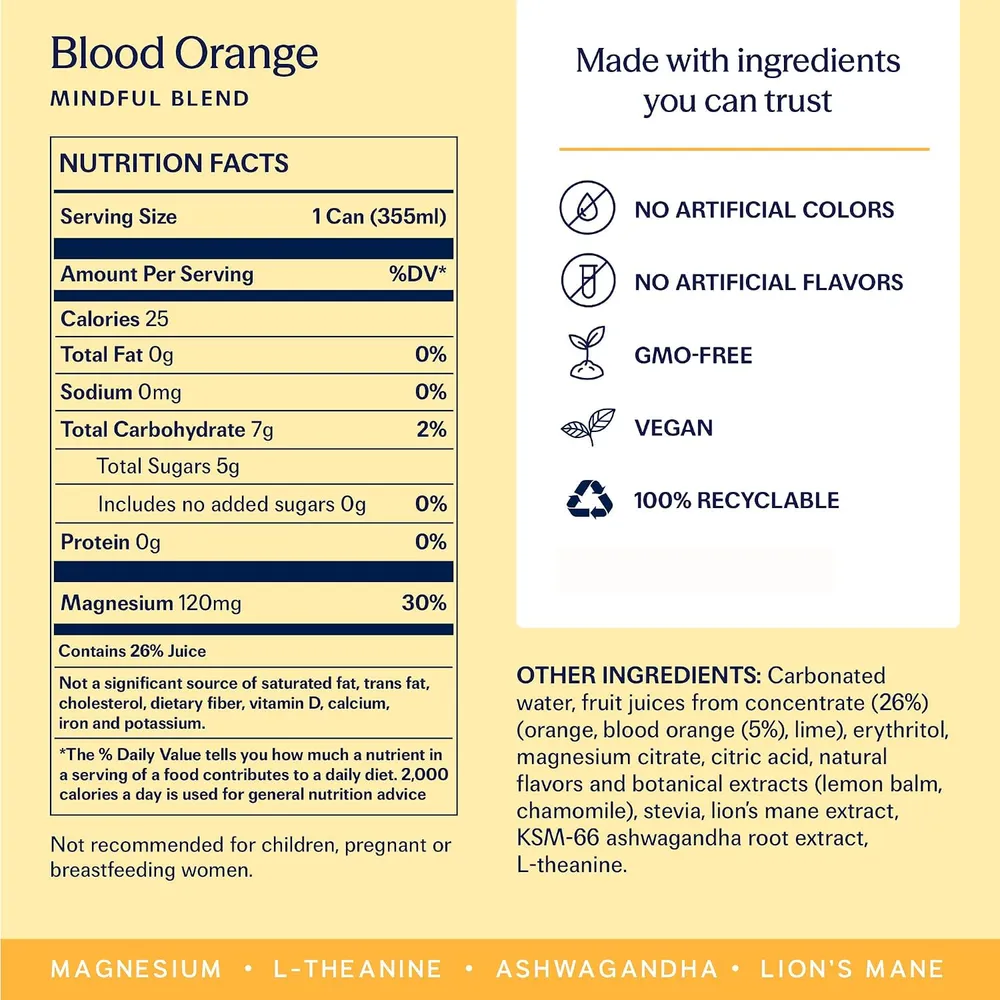
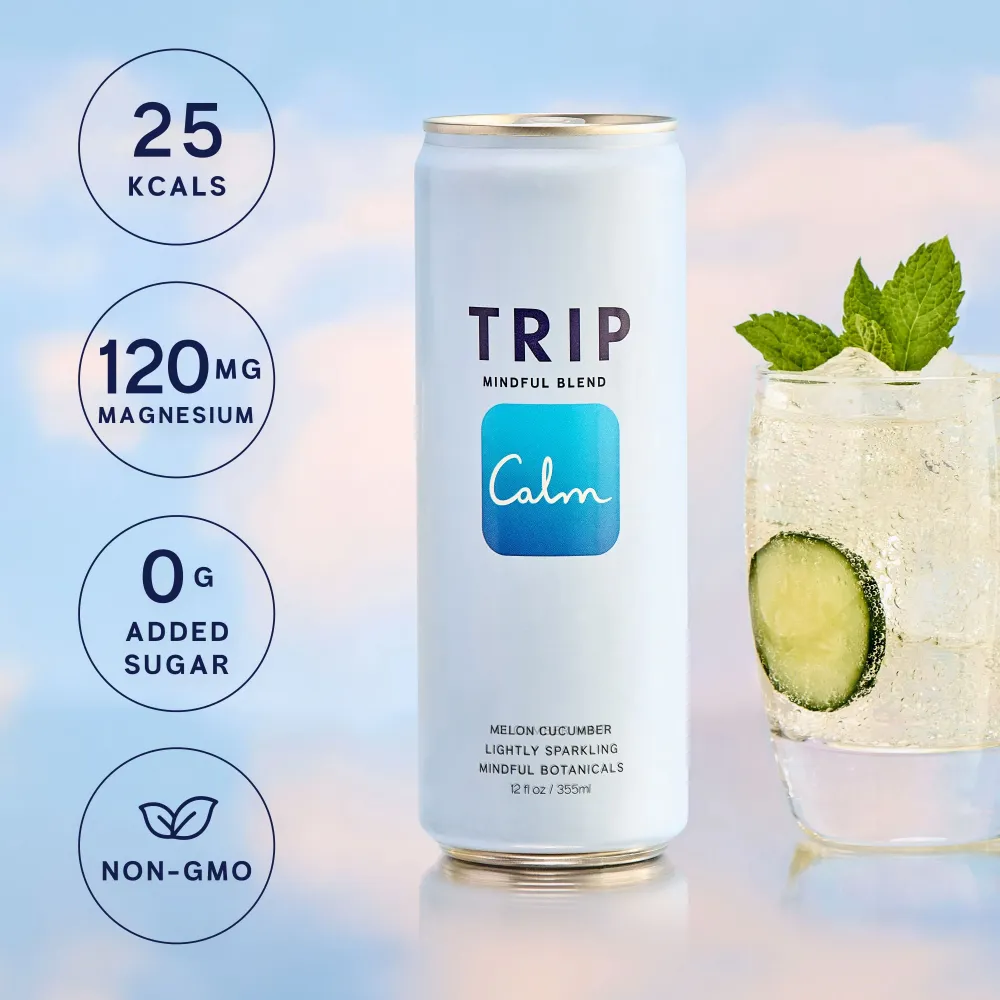
These numbers come from the Melon Cucumber can (1 can, 355mL). Every flavor lands at 25 calories, and sugar runs 5-7g depending on the flavor.
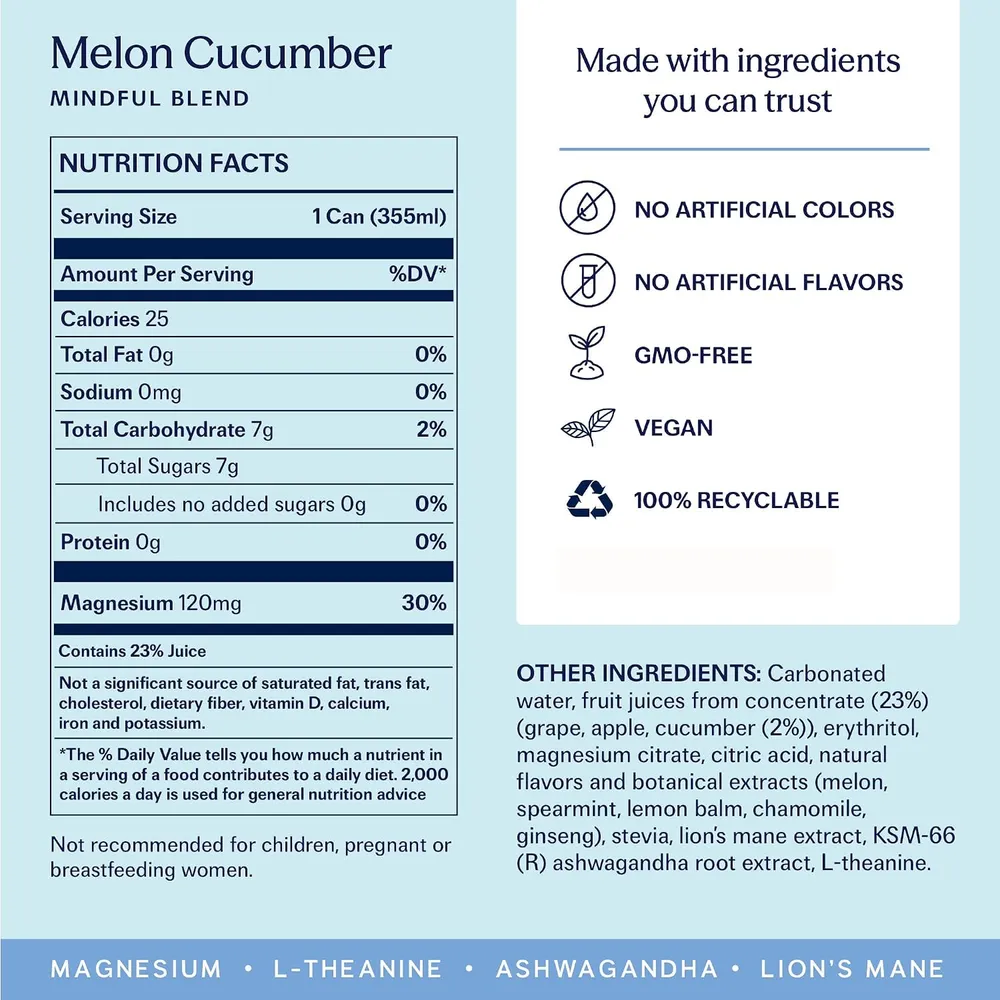
- Calories: 25
- Total Fat: 0g (0% DV)
- Total Carbohydrate: 7g (2% DV)
- Total Sugars: 7g
- Added Sugars: 0g (0% DV)
- Total Sugars: 7g
- Protein: 0g
- Vitamins and Minerals
- Magnesium: 120mg (30% DV)
All of the sugar comes from fruit juice concentrate, which is why the label can show sugar and still read 0g added. At 30% of the Daily Value, the magnesium is the only nutrient here doing real work.
TRIP Mindful Blend Ingredients
Each 12 fl oz (355mL) can provides the following key actives. Magnesium is the only one with a disclosed amount, so treat the study doses below as research background, not as what's in your can.
-
Lion's Mane
Lion's mane is Hericium erinaceus, an edible mushroom with a long history in East Asian cooking and traditional medicine. TRIP calls it a functional mushroom extract and puts it in every can, but the label doesn't say whether it comes from the fruiting body or the mycelium. That distinction matters, because the fruiting body supplies compounds called hericenones, while the mycelium produces erinacines.[1,2]
Much of the interest traces back to lab work showing lion's mane extract can raise nerve growth factor, a protein that helps maintain neurons.[3] Human trials are small. In 30 older Japanese adults with mild cognitive impairment, about 3g/day of dried fruiting body powder for 16 weeks improved cognitive scores versus placebo, and the gains faded within four weeks of stopping.[4] A 28-day pilot in 41 young adults taking 1.8g/day found lower subjective stress than placebo on one scale, with mixed results on others.[5] A systematic review concluded lion's mane may help with cognitive symptoms but wasn't effective for depression or anxiety symptoms.[6]
Those studies used grams per day over weeks or months. TRIP doesn't disclose its lion's mane amount or extract type, so there's no way to line a can up against those protocols.
-
Ashwagandha (as KSM-66® Root Extract)
Ashwagandha in TRIP is KSM-66®, a branded root-only extract of Withania somnifera made with water instead of alcohol and standardized to at least 5% withanolides.[7,8] Seeing a named extract on a beverage label is a plus. Ashwagandha extracts aren't interchangeable, and KSM-66 is one of the most heavily studied.
Its strongest results are for stress. In 64 chronically stressed adults, 300mg twice daily for 60 days lowered stress scores and serum cortisol compared with placebo.[7] A three-arm trial found both 250mg/day and 600mg/day reduced perceived stress and cortisol over eight weeks, and sleep quality improved too.[9] In 60 people with insomnia and anxiety, 600mg/day for 10 weeks shortened the time it took to fall asleep and improved sleep efficiency.[10] KSM-66 has also improved memory and attention measures in adults with mild cognitive impairment.[8]
Side effects in the stress trial were mild and similar to placebo.[7] Every one of these trials ran eight weeks or longer at hundreds of milligrams per day. TRIP doesn't disclose its KSM-66 amount, so the research shows what this extract has done in daily supplement use, not what one can will do.
-
L-Theanine
L-theanine is the amino acid that gives green tea its mellow character. Early human brainwave work found that 50-200mg nudged people toward the relaxed-focus state within about 40 minutes, without sedation.[11]
In a four-week crossover trial in 30 healthy adults, 200mg/day improved stress-related symptoms, sleep quality scores, and some measures of verbal fluency and executive function compared with placebo.[12] A systematic review concluded that 200-400mg/day may help acutely stressed people, but the evidence doesn't support L-theanine as a standalone treatment for anxiety.[13] Placebo responses run high in this research. One 28-day trial at 400mg/day saw stress scores fall in both the L-theanine and placebo groups, with no significant difference between them.[14]
You usually see L-theanine paired with caffeine, which is where its focus research is strongest. TRIP has no caffeine, so here it's working solo as a calming ingredient. It's also the final ingredient on the label, and TRIP doesn't disclose the amount.
-
Lemon Balm
Lemon balm (Melissa officinalis) is a lemon-scented member of the mint family with a long run in European herbal tradition. Researchers usually point to GABA-related activity as the likely calming mechanism, though that idea rests mostly on animal and cell studies.[15]
The human data are encouraging, if limited. A 2021 meta-analysis of randomized trials found lemon balm improved anxiety and depression scores versus placebo, while the authors cautioned that the trials were few and varied in design.[16] In the largest single trial, 100 adults with moderate stress or poor sleep took 400mg/day of a standardized extract for three weeks and improved on mood, anxiety, stress, and wellbeing measures, with no treatment-related side effects.[17]
More isn't automatically better. In a single-dose study, 300mg raised self-rated calmness early on, while 900mg lowered alertness at every time point measured.[18] TRIP groups lemon balm with its natural flavors on the label and doesn't list an amount or extract type, so you can't match a can to any of these protocols. Still, for a drink pitched at the afternoon slump and the evening wind-down, lemon balm's gentle calming profile fits the brief.
-
Chamomile
Chamomile is the bedtime tea classic. Its calming reputation centers on apigenin, a flavonoid thought to act on GABA receptors, though that mechanism comes mostly from preclinical work.[19]
The best human data come from one US research program on generalized anxiety disorder. In an eight-week trial of 57 outpatients, a standardized extract reduced anxiety scores more than placebo.[20] A longer follow-up at 1,500mg/day didn't significantly cut relapse versus placebo, although symptoms stayed lower in the chamomile group.[21] An international guideline taskforce called the anxiety evidence mixed and didn't recommend chamomile as a treatment.[22]
Sleep results split as well. Older adults taking 200mg of extract twice daily for four weeks reported better sleep quality than the placebo group.[23] A pilot in adults with chronic insomnia found no significant differences in sleep diary measures.[24]
That's a modest evidence base, and it matches chamomile's role here as a gentle supporting player. Like lemon balm, it's grouped with the natural flavors on the label, with no disclosed amount. If you're allergic to ragweed or other daisy-family plants, know that it's in there.[25]
-
Panax Ginseng
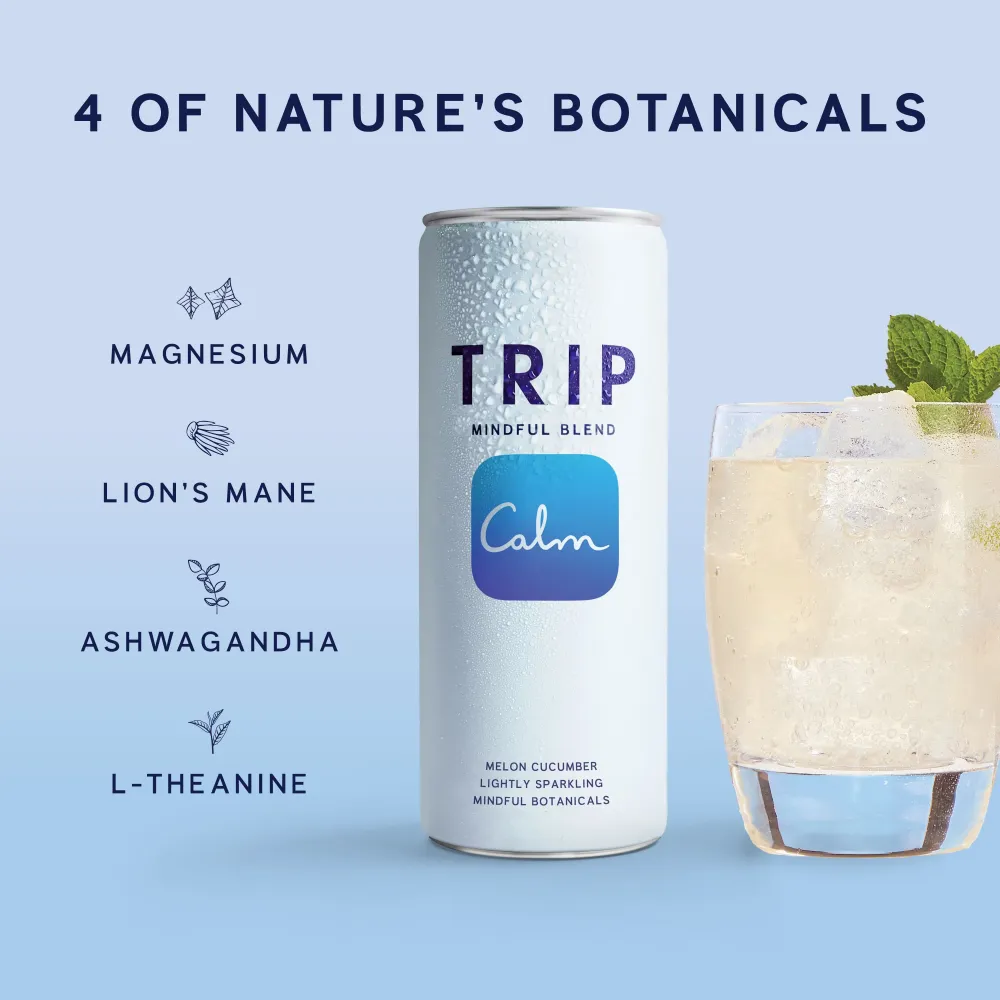
Ginseng shows up only in some flavors (Melon Cucumber, Peach Ginger, and Elderflower Mint), so it isn't part of the core formula. The label simply says ginseng without naming a species. The research here covers Panax ginseng, the Asian species, so treat it as the closest match rather than a guaranteed one.
Ginseng has an energizing reputation, but in stress research it behaves more subtly. In 149 moderately stressed adults, 200mg/day of a red Panax ginseng extract for three weeks reduced perceived stress and negative mood more than placebo.[26] An eight-day crossover in 30 young adults found 400mg/day of a standardized extract improved calmness at some time points, along with mental arithmetic.[27] Effects depend heavily on dose, and in one acute study some doses improved memory while slowing attention speed.[28] Activity is tied to compounds called ginsenosides, and how much reaches your bloodstream varies by extract and by person.[29]
Safety looks solid in long trials. In 1,000 healthy adults, 2g/day of Korean red ginseng for 24 weeks produced side effect rates similar to placebo.[30] TRIP doesn't disclose its ginseng amount, and like lemon balm and chamomile, it's grouped with the natural flavors on the label.
-
Vitamins and Minerals
-
Magnesium - 120mg (30% DV)
Magnesium is the one disclosed active dose in the can, and the ingredient list shows it as magnesium citrate. A review of bioavailability studies found organic forms like citrate generally absorbed better, though dose and conditions mattered too.[31] Magnesium supports energy metabolism, muscle function, and normal nervous system signaling. Stress research usually uses more, such as 300mg/day for eight weeks in stressed adults with low magnesium, a trial with no placebo arm.[32] At 120mg, a can covers a solid share of your daily need.
-
-
Sweeteners and Flavors
-
Fruit Juice Concentrate
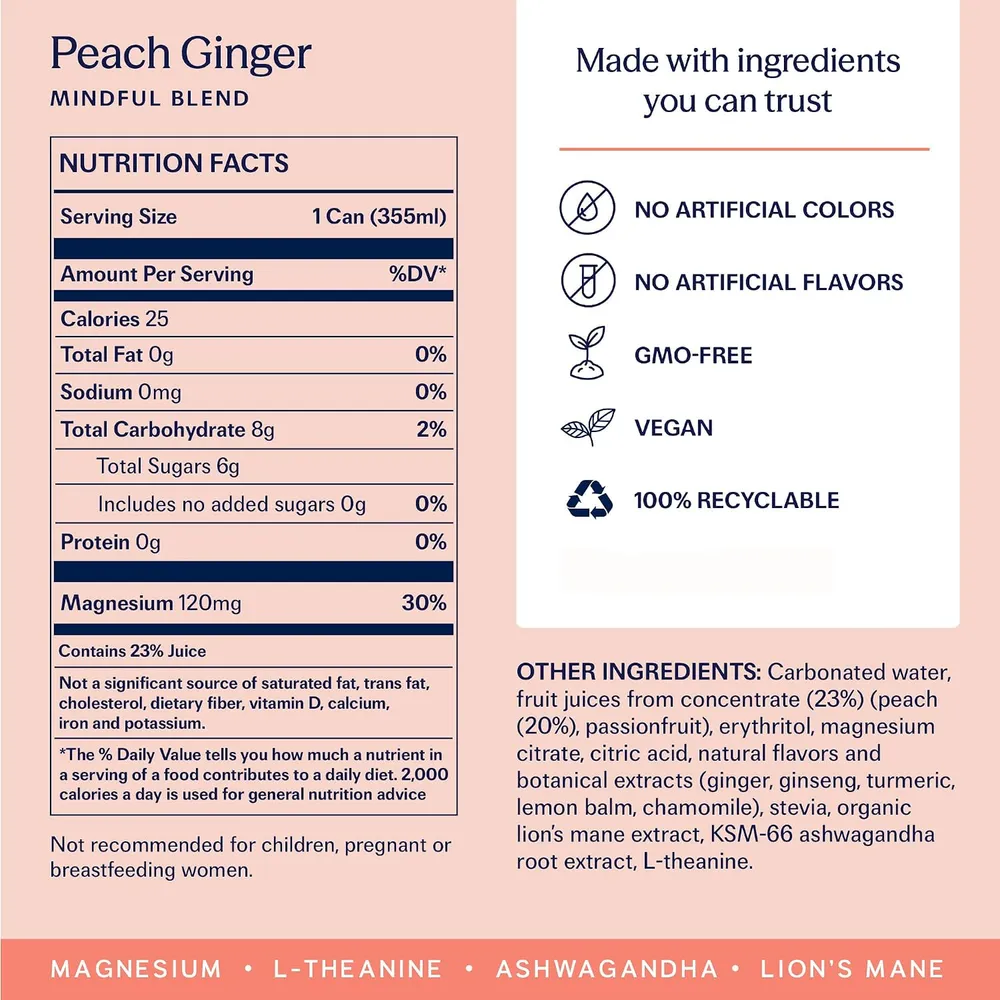
Fruit juice concentrate supplies all of the sugar and much of the body. On the Melon Cucumber can, juice makes up 23% of the drink, built from grape, apple, and cucumber (2%) juices. Sugar runs 5-7g per can across flavors, with no added sugar. A review of 100% fruit juice research found moderate intakes weren't linked to higher risk of obesity or type 2 diabetes.[33]
-
Erythritol
Erythritol is a nearly calorie-free sugar alcohol that your body absorbs and excretes mostly unchanged, so it doesn't raise blood sugar.[34,35] It's also easier on the gut than most sugar alcohols. Since 2023, it's drawn scrutiny after a small study found a 30g dose increased platelet reactivity in healthy volunteers.[36] Other researchers argue the observational links mostly reflect the body's own erythritol production, and EFSA's 2023 review found no demonstrated causal link to heart disease.[37,38] TRIP doesn't disclose its erythritol amount.
-
Stevia
Stevia extracts are plant-derived sweeteners hundreds of times sweeter than sugar, so very small amounts do the job. Steviol glycosides hold GRAS status in the US and carry an acceptable daily intake of 4mg/kg body weight per day (as steviol equivalents).[39] In a four-week trial, a daily stevia-sweetened drink didn't change the gut microbiome compared with a sugar-sweetened one.[40] Here, stevia rounds out the sweetness that the juice and erythritol start.
-
Natural Flavors and Botanicals
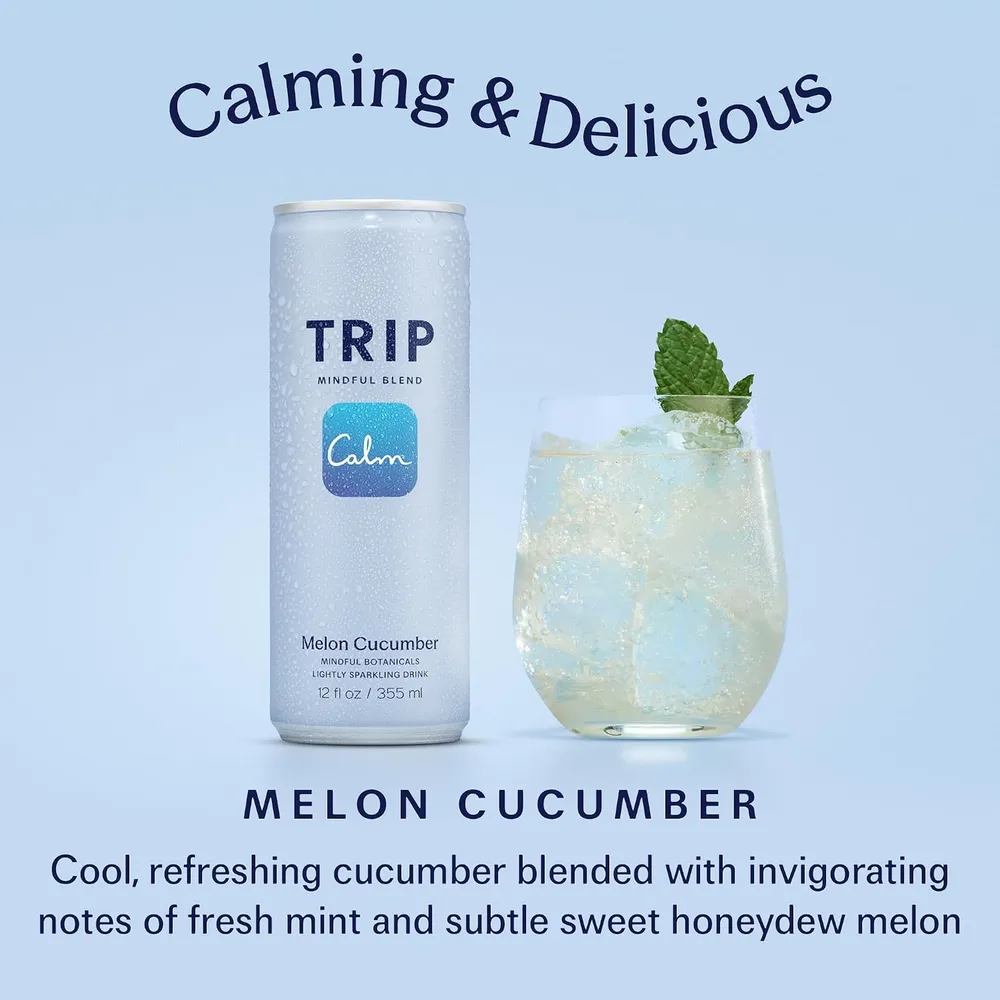
Natural flavors is a regulatory catch-all. Under FDA rules, a flavor counts as natural based on its source, not its chemistry, and labels don't have to say what that source was.[41] TRIP fills in more of the picture. Each flavor names the botanicals behind its taste right on the ingredient list: melon and spearmint in Melon Cucumber, ginger and turmeric in Peach Ginger, and elderflower and mint in Elderflower Mint. These are there for flavor, not as functional doses. Using real, named botanicals as flavoring is a growing move in better-for-you drinks, and it lets a brand put plants on the front of the can instead of a vague flavor claim. It also lines up with shopper preferences. In a survey across the US, UK, and Australia, fruit, vegetables, and flowers ranked among the most accepted sources of natural flavor.[42]
-
-
Other Ingredients
- Carbonated Water - The base of the drink and the source of its light sparkle.
- Citric Acid - Adds tartness and helps keep the acidity stable, a standard job in carbonated drinks.
Flavors Named After Their Botanicals
The formula shifts slightly across the lineup. Ginseng appears only in Melon Cucumber, Peach Ginger, and Elderflower Mint, and each flavor's named botanicals match what's on the front of the can.
- Blood Orange (12 Cans: $33.48)
- Cherry Lemon (12 Cans: $35.88)
- Elderflower Mint (12 Cans: $35.19)
- Frosted Blackberry (12 Cans: $35.99)
- Melon Cucumber (1 Can: $2.99)
- Peach Ginger (12 Cans: $32.28)
- Raspberry Blossom (12 Cans: $33.48)
- Tropical Mango (12 Cans: $35.01)
- Variety Pack (12 Cans: $32.28)
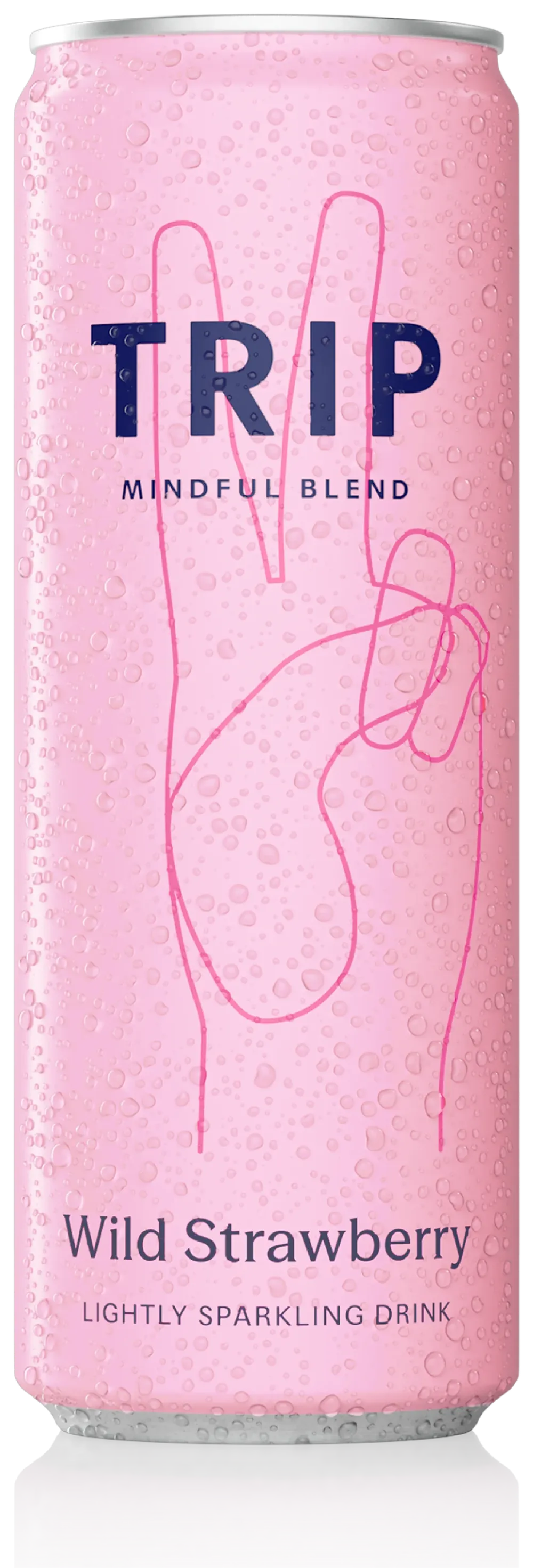
- Wild Strawberry (12 Cans: $35.99)
Calm Soda, Not a Sedative
TRIP Mindful Blend is for people who want a low-sugar, caffeine-free can that works as an afternoon or evening ritual, and the ingredient picks back up that calm pitch with a meaningful 120mg of magnesium and a named KSM-66 extract. Since every botanical amount stays undisclosed, think of it as a better-built soda alternative with calming ingredients, not a replacement for a dosed supplement.
References
- Li, I-Chen, et al. "Neurohealth Properties Of Hericium Erinaceus Mycelia Enriched With Erinacines." Behavioural neurology, 2018. https://doi.org/10.1155/2018/5802634
- Szućko-Kociuba, Izabela, et al. "Szucko Kociuba2023 Neurotrophic And Neuroprotective Effects Of Hericium Erinaceus." International journal of molecular sciences, 2023. https://doi.org/10.3390/ijms242115960
- Mori, Koichiro, et al. "Nerve growth factor-inducing activity of Hericium erinaceus in 1321N1 human astrocytoma cells." Biological and Pharmaceutical Bulletin, 2008. https://doi.org/10.1248/bpb.31.1727
- Mori, Koichiro, et al. "Improving Effects Of The Mushroom Yamabushitake Hericium Erinaceus On Mild Cognitive Impairment A Double Blind Placebo Controlled Clinical Trial." Phytotherapy research : PTR, 2009. https://doi.org/10.1002/ptr.2634
- Docherty, Sarah, et al. "The Acute And Chronic Effects Of Lion S Mane Mushroom Supplementation On Cognitive Function Stress And Mood In Young Adults A Double Blind Parallel Groups Pilot Study." Nutrients, 2023. https://doi.org/10.3390/nu15224842
- Cortonesi, Pietra McDonnel Matheus, et al. "Use Of Hericium Erinaceus As A Potential Therapeutic Of Mental Disorders A Systematic Review." Debates em Psiquiatria, 2023. https://doi.org/10.25118/2763-9037.2023.v13.443
- Chandrasekhar, K, et al. "A Prospective Randomized Double Blind Placebo Controlled Study Of Safety And Efficacy Of A High Concentration Full Spectrum Extract Of Ashwagandha Root In Reducing Stress And Anxiety In Adults." Indian journal of psychological medicine, 2012. https://doi.org/10.4103/0253-7176.106022
- Choudhary, Dnyanraj, et al. "Efficacy And Safety Of Ashwagandha Withania Somnifera L Dunal Root Extract In Improving Memory And Cognitive Functions." Journal of dietary supplements, 2017. https://doi.org/10.1080/19390211.2017.1284970
- Salve, Jaysing, et al. "Adaptogenic And Anxiolytic Effects Of Ashwagandha Root Extract In Healthy Adults A Double Blind Randomized Placebo Controlled Clinical Study." Cureus, 2019. https://doi.org/10.7759/cureus.6466
- Langade, Deepak, et al. "Efficacy And Safety Of Ashwagandha Withania Somnifera Root Extract In Insomnia And Anxiety A Double Blind Randomized Placebo Controlled Study." Cureus, 2019. https://doi.org/10.7759/cureus.5797
- Juneja, L. "L-theanine—a unique amino acid of green tea and its relaxation effect in humans." Trends in Food Science & Technology, 1999. https://doi.org/10.1016/s0924-2244(99)00044-8
- Hidese, Shinsuke, et al. "Effects Of L Theanine Administration On Stress Related Symptoms And Cognitive Functions In Healthy Adults A Randomized Controlled Trial." Nutrients, 2019. https://doi.org/10.3390/nu11102362
- Williams, Jackson L, et al. "The Effects Of Green Tea Amino Acid L Theanine Consumption On The Ability To Manage Stress And Anxiety Levels A Systematic Review." Plant foods for human nutrition (Dordrecht, Netherlands), 2020. https://doi.org/10.1007/s11130-019-00771-5
- Moulin, Marc, et al. "Safety and Efficacy of AlphaWave® L-Theanine Supplementation for 28 Days in Healthy Adults with Moderate Stress: A Randomized, Double-Blind, Placebo-Controlled Trial." Neurology and therapy, 2024. https://doi.org/10.1007/s40120-024-00624-7
- Mathews, Imogen Maria, et al. "Clinical Efficacy and Tolerability of Lemon Balm (Melissa officinalis L.) in Psychological Well-Being: A Review." Nutrients, 2024. https://doi.org/10.3390/nu16203545
- Ghazizadeh, Javid, et al. "The effects of lemon balm (Melissa officinalis L.) on depression and anxiety in clinical trials: A systematic review and meta-analysis." Phytotherapy research : PTR, 2021. https://doi.org/10.1002/ptr.7252
- Bano, Aasiya, et al. "The possible "calming effect" of subchronic supplementation of a standardised phospholipid carrier-based Melissa officinalis L. extract in healthy adults with emotional distress and poor sleep conditions: results from a prospective, randomised, double-blinded, placebo-controlled clinical trial." Frontiers in pharmacology, 2023. https://doi.org/10.3389/fphar.2023.1250560
- Kennedy, D O, et al. "Modulation of mood and cognitive performance following acute administration of Melissa officinalis (lemon balm)." Pharmacology, biochemistry, and behavior, 2002. https://doi.org/10.1016/s0091-3057(02)00777-3
- Sarris, Jerome, et al. "Herbal medicine for depression, anxiety and insomnia: a review of psychopharmacology and clinical evidence." European neuropsychopharmacology : the journal of the European College of Neuropsychopharmacology, 2011. https://doi.org/10.1016/j.euroneuro.2011.04.002
- Amsterdam, Jay D, et al. "A randomized, double-blind, placebo-controlled trial of oral Matricaria recutita (chamomile) extract therapy for generalized anxiety disorder." Journal of clinical psychopharmacology, 2009. https://doi.org/10.1097/JCP.0b013e3181ac935c
- Mao, Jun J, et al. "Long-term chamomile (Matricaria chamomilla L.) treatment for generalized anxiety disorder: A randomized clinical trial." Phytomedicine : international journal of phytotherapy and phytopharmacology, 2016. https://doi.org/10.1016/j.phymed.2016.10.012
- Sarris, Jerome, et al. "Clinician guidelines for the treatment of psychiatric disorders with nutraceuticals and phytoceuticals: The World Federation of Societies of Biological Psychiatry (WFSBP) and Canadian Network for Mood and Anxiety Treatments (CANMAT) Taskforce." The world journal of biological psychiatry : the official journal of the World Federation of Societies of Biological Psychiatry, 2022. https://doi.org/10.1080/15622975.2021.2013041
- Adib-Hajbaghery, Mohsen, et al. "The effects of chamomile extract on sleep quality among elderly people: A clinical trial." Complementary therapies in medicine, 2017. https://doi.org/10.1016/j.ctim.2017.09.010
- Zick, Suzanna M, et al. "Preliminary examination of the efficacy and safety of a standardized chamomile extract for chronic primary insomnia: a randomized placebo-controlled pilot study." BMC complementary and alternative medicine, 2011. https://doi.org/10.1186/1472-6882-11-78
- Srivastava, Janmejai K, et al. "Chamomile: A herbal medicine of the past with bright future." Molecular medicine reports, 2010. https://doi.org/10.3892/mmr.2010.377
- Dormal, Valérie, et al. "Effect of Hydroponically Grown Red Panax Ginseng on Perceived Stress Level, Emotional Processing, and Cognitive Functions in Moderately Stressed Adults: A Randomized, Double-Blind, Placebo-Controlled Study." Nutrients, 2025. https://doi.org/10.3390/nu17060955
- Reay, Jonathon L. et al. "Panax ginseng (G115) improves aspects of working memory performance and subjective ratings of calmness in healthy young adults." Human Psychopharmacology: Clinical and Experimental, 2010. https://doi.org/10.1002/hup.1138
- Kennedy, D O, et al. "Dose dependent changes in cognitive performance and mood following acute administration of Ginseng to healthy young volunteers." Nutritional neuroscience, 2001. https://doi.org/10.1080/1028415x.2001.11747370
- Park, Jong Dae. "Metabolism and drug interactions of Korean ginseng based on the pharmacokinetic properties of ginsenosides: Current status and future perspectives." Journal of ginseng research, 2024. https://doi.org/10.1016/j.jgr.2024.02.003
- Song, Sang-Wook, et al. "Safety and tolerability of Korean Red Ginseng in healthy adults: a multicenter, double-blind, randomized, placebo-controlled trial." Journal of ginseng research, 2018. https://doi.org/10.1016/j.jgr.2018.07.002
- Pardo, Marta R, et al. "Bioavailability of magnesium food supplements: A systematic review." Nutrition (Burbank, Los Angeles County, Calif.), 2021. https://doi.org/10.1016/j.nut.2021.111294
- Pouteau, Etienne, et al. "Superiority of magnesium and vitamin B6 over magnesium alone on severe stress in healthy adults with low magnesemia: A randomized, single-blind clinical trial." PloS one, 2018. https://doi.org/10.1371/journal.pone.0208454
- Ruxton, Carrie H S, et al. "Fruit Juices: Are They Helpful or Harmful? An Evidence Review." Nutrients, 2021. https://doi.org/10.3390/nu13061815
- Hiele, M, et al. "Metabolism of erythritol in humans: comparison with glucose and lactitol." The British journal of nutrition, 1993. https://doi.org/10.1079/bjn19930019
- Wölnerhanssen, Bettina K, et al. "Metabolic effects of the natural sweeteners xylitol and erythritol: A comprehensive review." Critical reviews in food science and nutrition, 2020. https://doi.org/10.1080/10408398.2019.1623757
- Witkowski, Marco, et al. "Ingestion of the Non-Nutritive Sweetener Erythritol, but Not Glucose, Enhances Platelet Reactivity and Thrombosis Potential in Healthy Volunteers-Brief Report." Arteriosclerosis, thrombosis, and vascular biology, 2024. https://doi.org/10.1161/ATVBAHA.124.321019
- Wölnerhanssen, Bettina K, et al. "Sweeteners: erythritol, xylitol and cardiovascular risk-friend or foe?." Cardiovascular research, 2025. https://doi.org/10.1093/cvr/cvaf091
- EFSA, Panel on Food Additives and Flavourings (FAF), et al. "Re-evaluation of erythritol (E 968) as a food additive." EFSA journal. European Food Safety Authority, 2023. https://doi.org/10.2903/j.efsa.2023.8430
- Orellana-Paucar, Adriana Monserrath. "Steviol Glycosides From Stevia Rebaudiana An Updated Overview Of Their Sweetening Activity Pharmacological Properties And Safety Aspects." Molecules (Basel, Switzerland), 2023. https://doi.org/10.3390/molecules28031258
- Kwok, David, et al. "Comparison of a Daily Steviol Glycoside Beverage compared with a Sucrose Beverage for Four Weeks on Gut Microbiome in Healthy Adults." The Journal of nutrition, 2024. https://doi.org/10.1016/j.tjnut.2024.01.032
- Goodman, Matthew J. "The “Natural” vs. “Natural Flavors” Conflict in Food Labeling: A Regulatory Viewpoint." Food and drug law journal, 2017. https://pubmed.ncbi.nlm.nih.gov/29140655/
- Murley, Tyler, et al. "The Influence of Colorants, Flavorants and Product Identity on Perceptions of Naturalness." Foods (Basel, Switzerland), 2019. https://doi.org/10.3390/foods8080317
Tagged