Default / Unknown
C4 Energy Study: Significant Exit Velocity Gains for Baseball, Softball Hitters
An Auburn crossover trial found one can of C4 Performance Energy nudged exit velocity up about 1-1.5 mph versus placebo in experienced hitters.
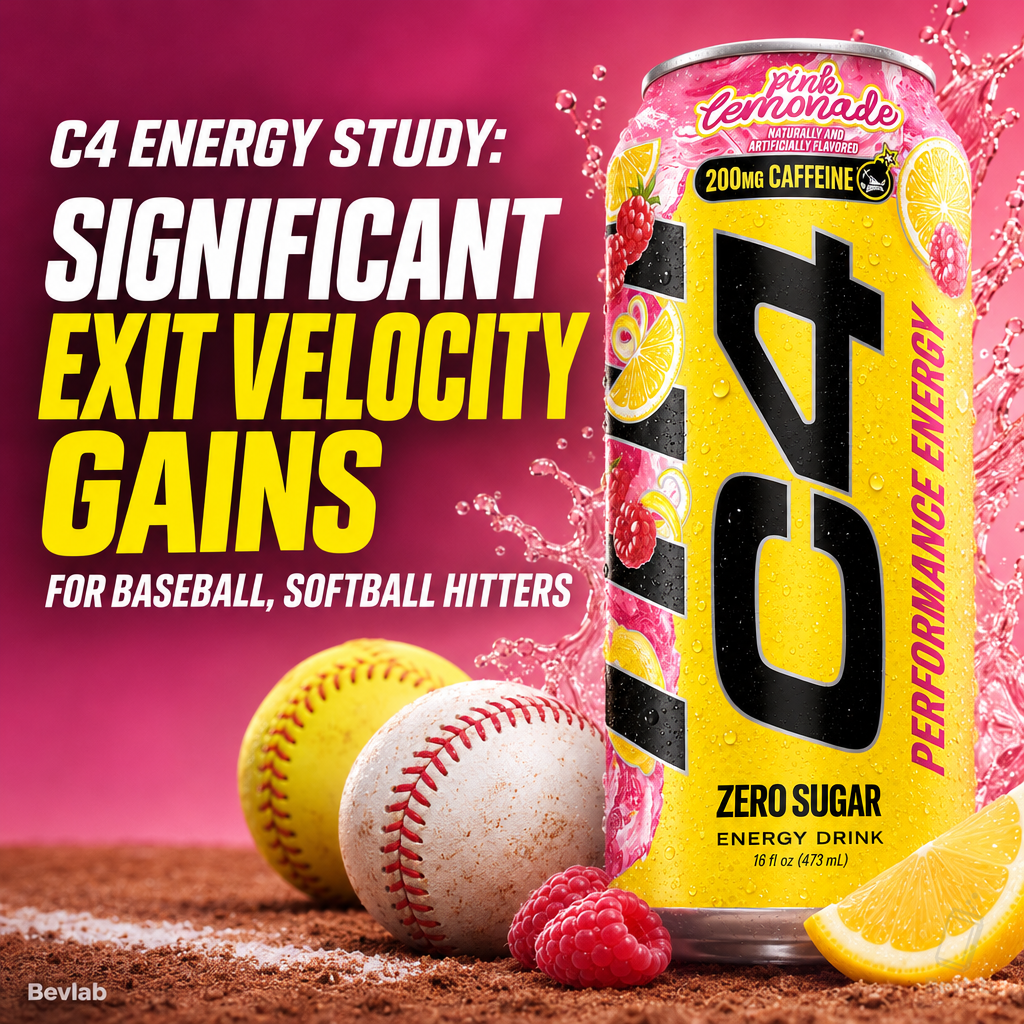
A new study in the Journal of the International Society of Sports Nutrition (JISSN) found that one 16oz can of C4 Performance Energy helped experienced baseball and softball players hit a ball off a tee slightly harder than a flavor-matched placebo did.[1] The randomized, double-blind crossover trial from Jump et al. ran at Auburn University and was published November 25, 2026. The authors had expected the drink to make no difference to hitting.
Nutrabolt, the company that makes C4, paid for the study. One co-author is Chris Lockwood, Nutrabolt's Senior VP for Scientific Affairs. With that disclosed, the results still hold up, but keep the funding in mind as you read them.
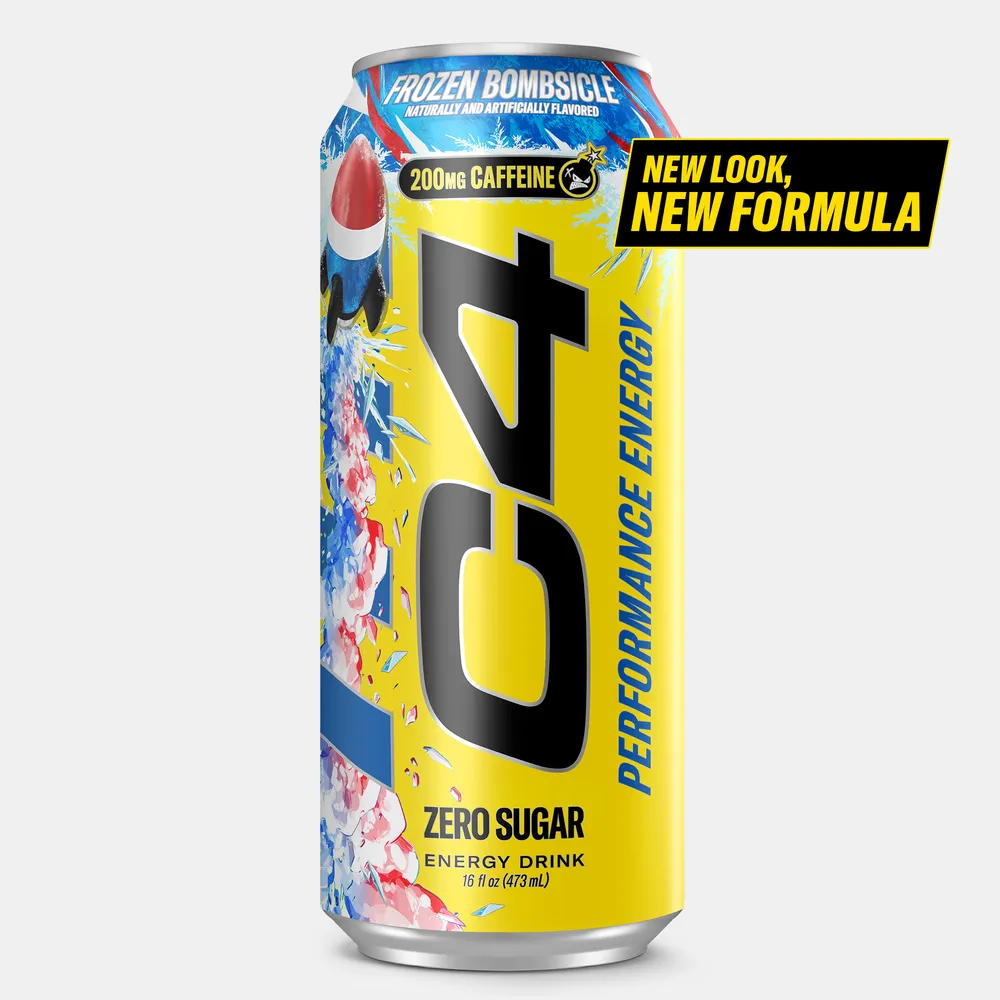
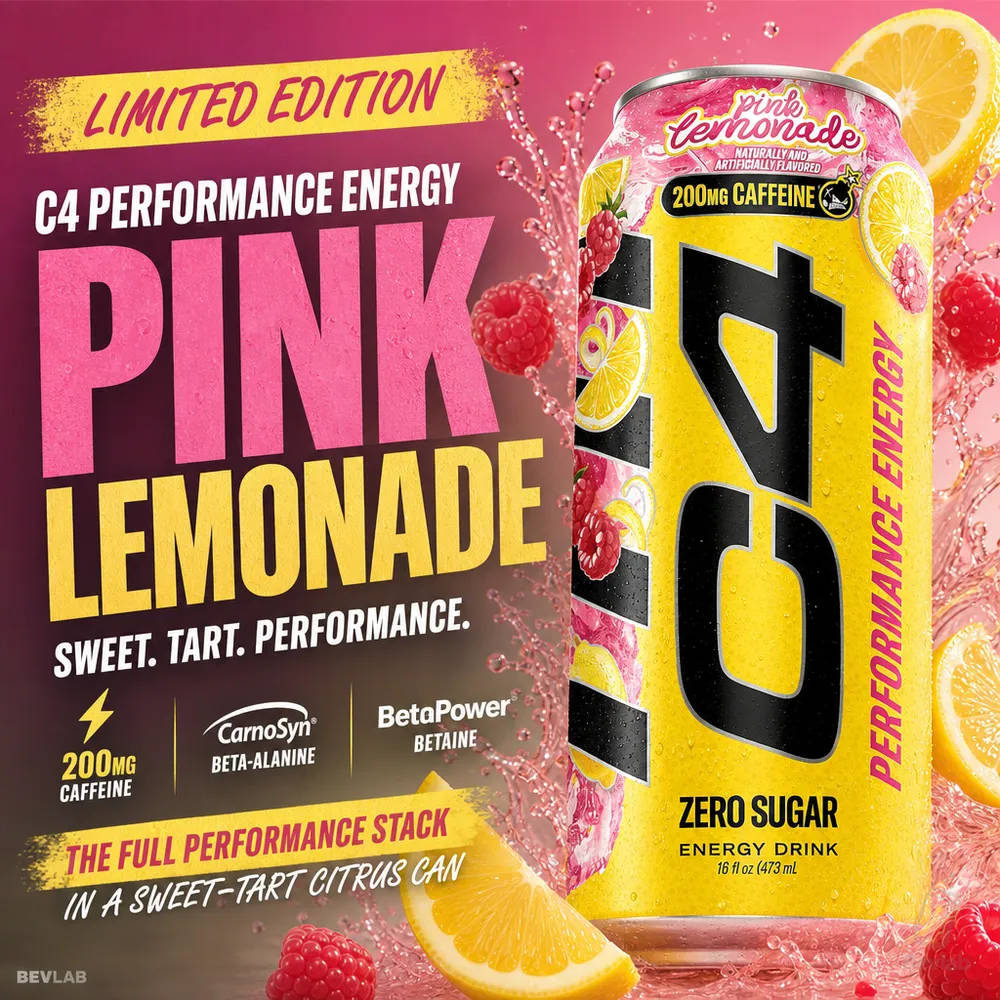
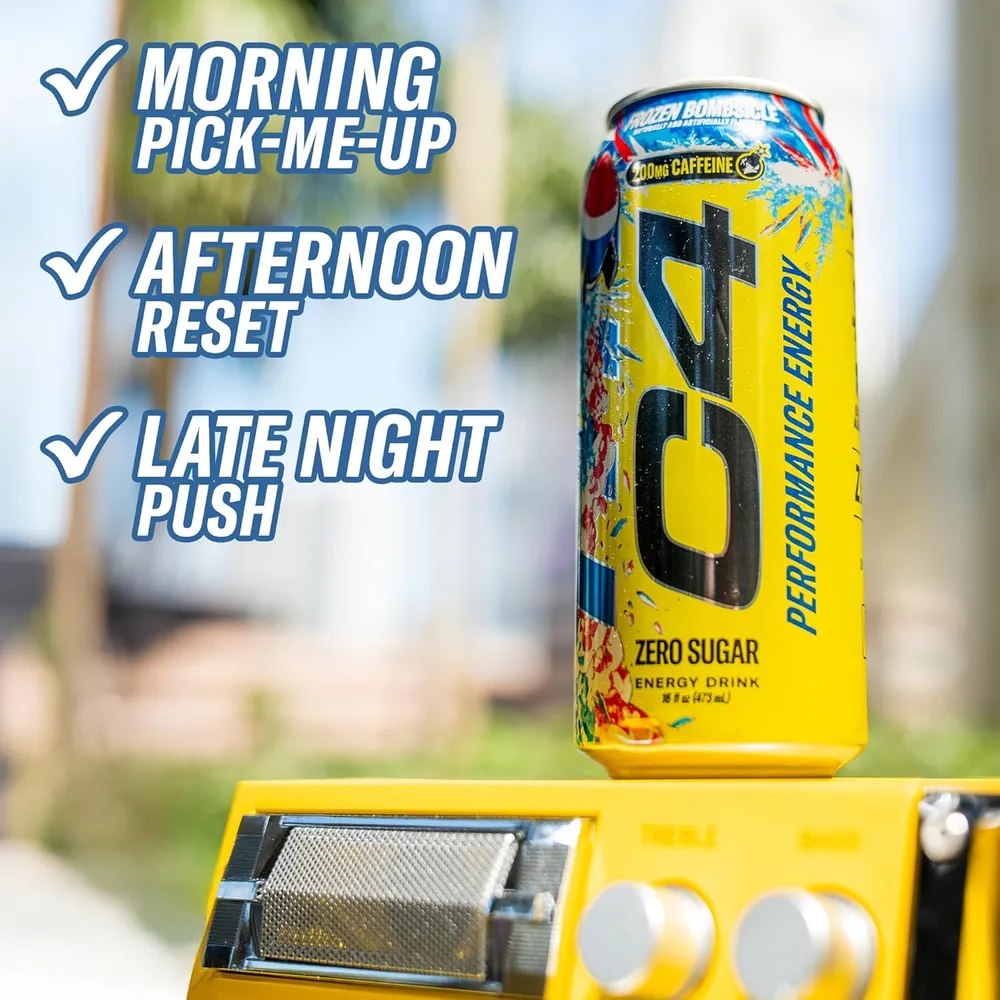
C4 Performance Energy is the ready-to-drink side of Nutrabolt's C4 pre-workout brand: 200mg caffeine, branded beta-alanine and betaine, and zero sugar. We cover the full formula on our C4 Energy product page.
Inside the Auburn Batting Study
The researchers recruited 22 baseball and softball players (14 men and 8 women, ages 18 to 35). They averaged about 13 years of playing experience but weren't elite athletes. Every player tested both conditions, C4 on one visit and a low-calorie placebo on the other, and neither the players nor the researchers knew which drink was which.[1]
One can worked out to about 2.4mg/kg of caffeine for the men and about 2.9mg/kg for the women. After drinking, the players went through tee hitting, countermovement jumps, squat bar velocity, a reaction test, a HIIT run, and a recovery period where the researchers measured energy expenditure.[1]
Exit Velocity: Small Gain, Most Hitters Improved
Hitting was the headline result, and the gain was small but showed up in most hitters:[1]
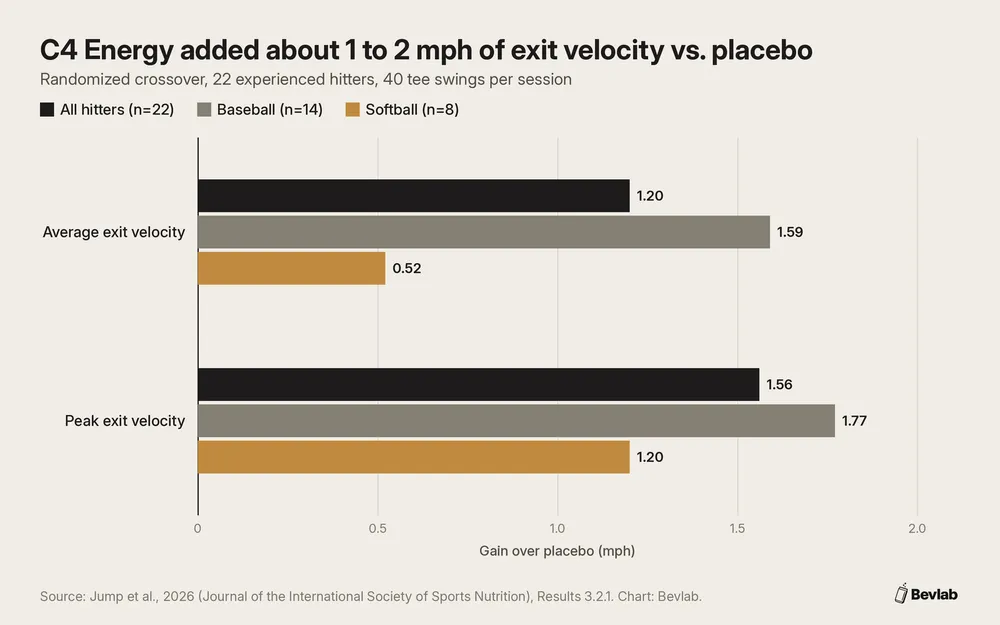
- Average exit velocity: 71.32mph on C4 vs. 70.12mph on placebo, a gain of 1.20mph
- Peak exit velocity: 76.65mph vs. 75.09mph, a gain of 1.56mph
- Hitters who improved: 17 of 22 raised their average, and 18 of 22 raised their peak
- By sport: Baseball players gained 1.59mph average and 1.77mph peak, and softball players gained 0.52mph average and 1.20mph peak
Both main exit velocity gains were statistically significant. The baseball and softball numbers are descriptive only. With 22 players split across two sports, don't read much into the difference between them.
A gain of 1 to 1.5mph won't turn a weak grounder into a home run. What stands out is how many hitters improved. The average wasn't pulled up by a few big responders.
Jump Height, Blood Pressure, and the Null Results
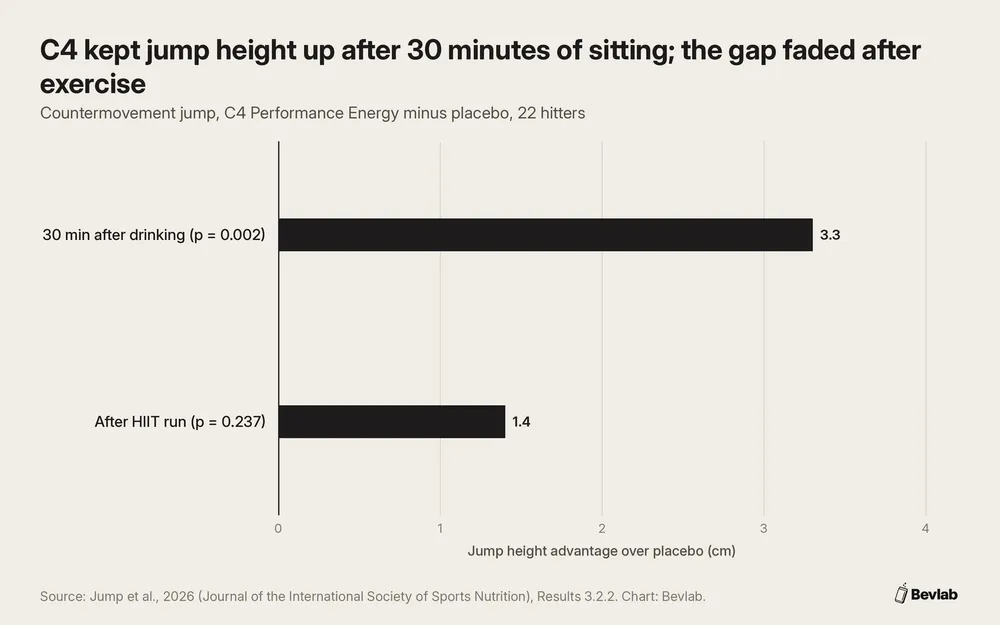
The jump results add to the story. After 30 minutes of sitting, jump height held steady on C4 (up 0.5cm) but fell 2.7cm on placebo, a 3.3cm gap that was statistically significant. After the HIIT run, the gap shrank to 1.4cm and was no longer significant.[1] So the drink mostly kept players from going flat while they sat around, which anyone who has waited out a long inning will recognize.
Energy expenditure during recovery after the HIIT run was about 5% higher with C4. That's roughly 1.5 extra calories over 15 minutes, so this isn't a fat-loss finding.[1]
Several measures didn't move. Squat bar velocity, running distance, and the perceived-energy ratings showed no significant differences, and reaction time came close without reaching significance.[1]
Thirty minutes after drinking, systolic blood pressure was 9.6mmHg higher than on placebo and diastolic was 4.7mmHg higher. Most of the systolic gap came from blood pressure dropping on placebo, not rising on C4. No participant reported jitters or feeling faint.[1]
Funding and Chris Lockwood's Role
The paper lists these disclosures:[1]
- Nutrabolt, C4's maker, funded the study.
- Co-author Christopher M. Lockwood is Nutrabolt's Senior VP for Scientific Affairs (listed through Woodbolt Distribution). He helped conceive the study, secure funding, and have the product checked by third-party labs Eurofins and TruShield.
- Nutrabolt also gives gift money to the Auburn lab of co-author Michael Roberts.
- The authors say Nutrabolt employees had no role in data collection, analysis, or approving the manuscript.
Brands funding research on their own products is common in sports nutrition. Disclosures like these are how readers can judge it. Bevlab is part of Team PricePlow, and Lockwood joined the PricePlow Podcast panel at SupplySide West 2023.
What This Study Can't Tell You
The authors list several limits:[1]
- Players hit off a tee only. The study didn't test live pitching, launch angle, or game results.
- They didn't check whether blinding worked. Beta-alanine often causes a tingle, so some players may have guessed which drink they had.
- The questionnaire and reaction test weren't validated tools.
- The secondary outcomes weren't corrected for multiple comparisons.
The design also limits what the results mean. The study compared the whole drink against a placebo, so the effect belongs to C4 Performance Energy as a complete formula. Caffeine is the obvious suspect, but this trial can't credit caffeine alone or any other single ingredient.
All the players were adults. A can has 200mg caffeine, so this study isn't a reason for high school or youth players to start drinking energy drinks before at-bats. Parents should make that call first.
C4 Performance Energy: The Quick Breakdown
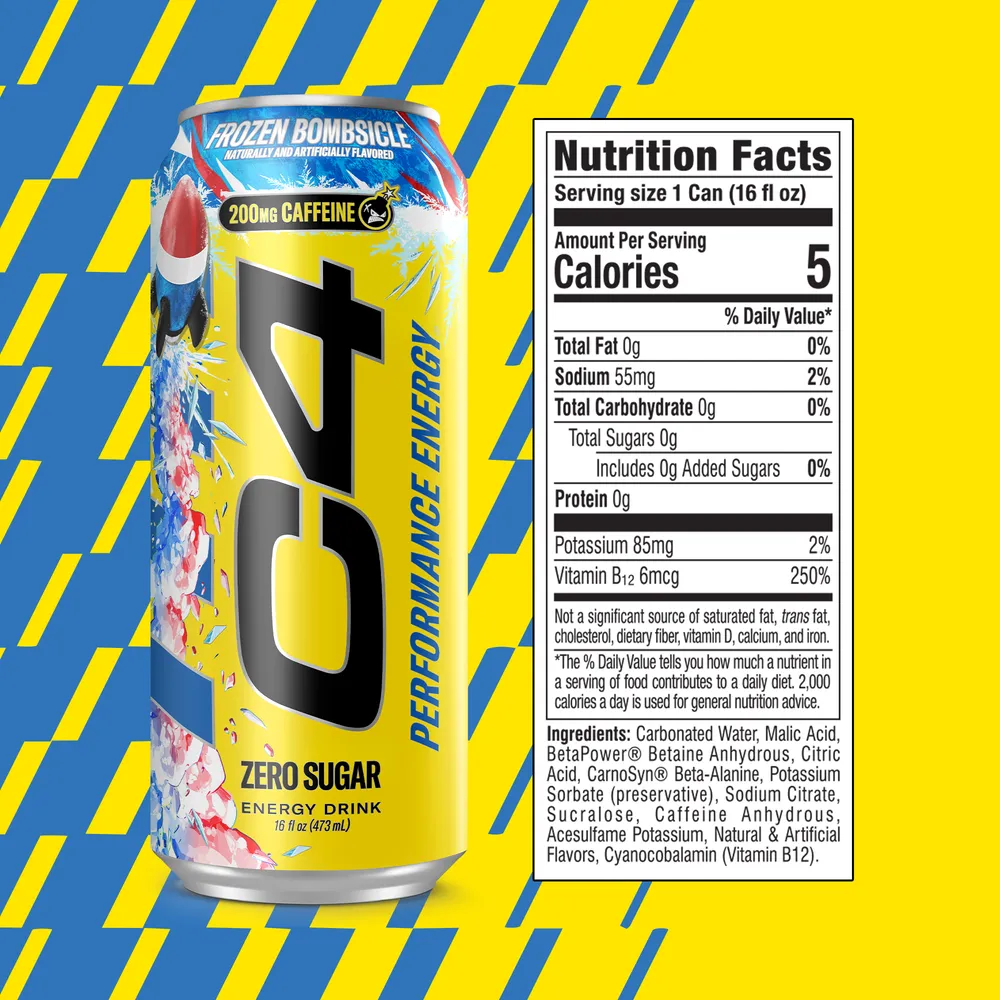
This is the can the hitters drank, summarized for buyers. The full ingredient analysis is on our C4 Energy product page.
- 200mg caffeine - About two cups of coffee in a 16 fl oz can. It's a mid-range dose for the category, and it's the most likely driver of the alertness effect.
- 5 calories, zero sugar - Sucralose and acesulfame potassium handle the sweetness.
- CarnoSyn beta-alanine - The source of C4's signature tingle. The dose isn't disclosed, and on the 2026 label it moved lower in the ingredient list, which suggests a smaller amount. Our beta-alanine breakdown covers what the research says.
- BetaPower betaine anhydrous - A branded betaine aimed at strength and power output. The dose isn't disclosed, but it sits high on the ingredient list.
- Vitamin B12 (6mcg, 250% DV) - Standard energy drink coverage. It isn't a performance ingredient at this dose.
- Other ingredients - Malic acid, citric acid, and sodium citrate for tartness and flavor balance. Acid and mineral amounts can vary slightly by flavor.
Flavor Lineup
The paper doesn't say which flavor the players drank. Caffeine, beta-alanine, betaine, and B12 are the same across the line, so any flavor gives you the formula that was tested.
- Arctic Snow Cone (12 16oz Cans: $23.49)
- Cereal Killer (12 16oz Cans: $22.59)
- Cherry Limeade (12 16oz Cans: $23.79)
- Classic Lemonade (12 16oz Cans: $24.00)
- Cosmic Rainbow (12 16oz Cans: $23.49)
- Frozen Bombsicle (4 12oz Cans: $6.62)
- Hawaiian Punch - Berry Blue Typhoon (12 16oz Cans: $27.99)
- Hawaiian Punch - Fruit Juicy Red (12 16oz Cans: $19.99)
- Jolly Rancher - Variety Pack (12 16oz Cans: $22.59)
- Jolly Rancher Blue Raspberry (12 16oz Cans: $22.59)
- Jolly Rancher Green Apple (12 16oz Cans: $22.59)
- Jolly Rancher Peach (12 16oz Cans: $22.59)
- Jolly Rancher Watermelon (12 16oz Cans: $22.59)
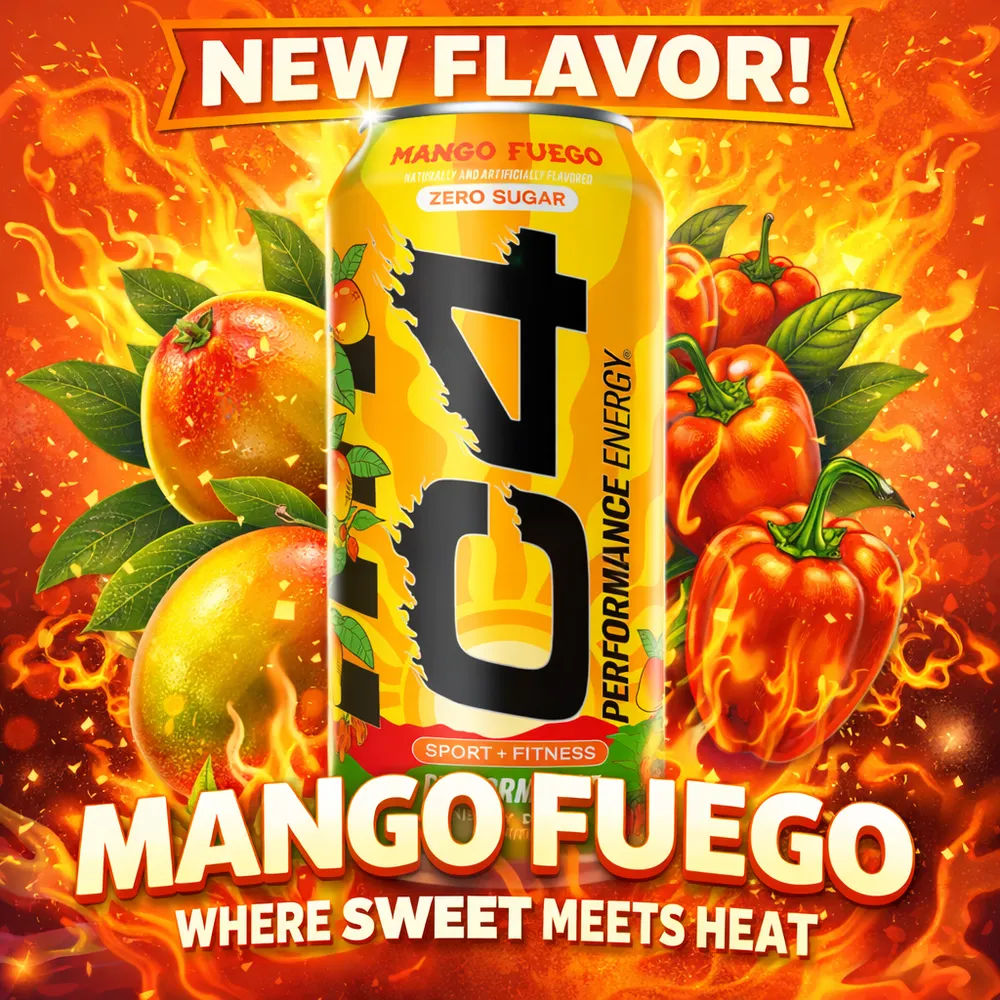
- Mango Fuego (12 16oz Cans: $23.79)
- Midnight Cherry (12 16oz Cans: $27.99)
- Orange Slice (12 12oz Cans: $17.84)
- Pink Lemonade (12 16oz Cans: $24.00)
- Popsicle - Variety Pack (12 16oz Cans: $23.49)
- Popsicle Cherry (12 16oz Cans: $23.79)
- Popsicle Grape (12 12oz Cans: $19.48)
- Popsicle Hawaiian Pineapple (12 16oz Cans: $22.59)
- Popsicle Orange Creamsicle (12 16oz Cans: $22.59)
- Sour Gummy Splash (12 16oz Cans: $23.79)
- Strawberry Blast (4 12oz Cans: $4.61)
- Strawberry Watermelon Ice (12 12oz Cans: $21.41)
- Variety Pack (12 12oz Cans: $22.49)
What It Means for the On-Deck Circle
This is a small, mostly consistent bump in exit velocity from a mid-dose energy drink, and it showed up even though the researchers expected nothing. If you're an adult rec-league or club hitter who already drinks C4 before games, the study supports the habit, though it can't tell you whether caffeine alone would do the same thing.
More Related Videos
Bevlab VideosREELS
REELS
References
- Jump, Ian P., et al. "Effects of a Commercially Available Sugar-Free Energy Drink on Hitting Exit Velocity in Experienced Baseball and Softball Players: A Randomized Crossover Trial." Journal of the International Society of Sports Nutrition, vol. 23, no. 1, Dec. 2026, article 2766686, doi:10.1080/15502783.2026.2766686. https://www.tandfonline.com/doi/full/10.1080/15502783.2026.2766686
Tagged