BODi INSANITY Liquid Shock Energy Drink: Caffeine Gets Backup
Workout-franchise intensity, zero sugar, and two extra stimulants riding shotgun
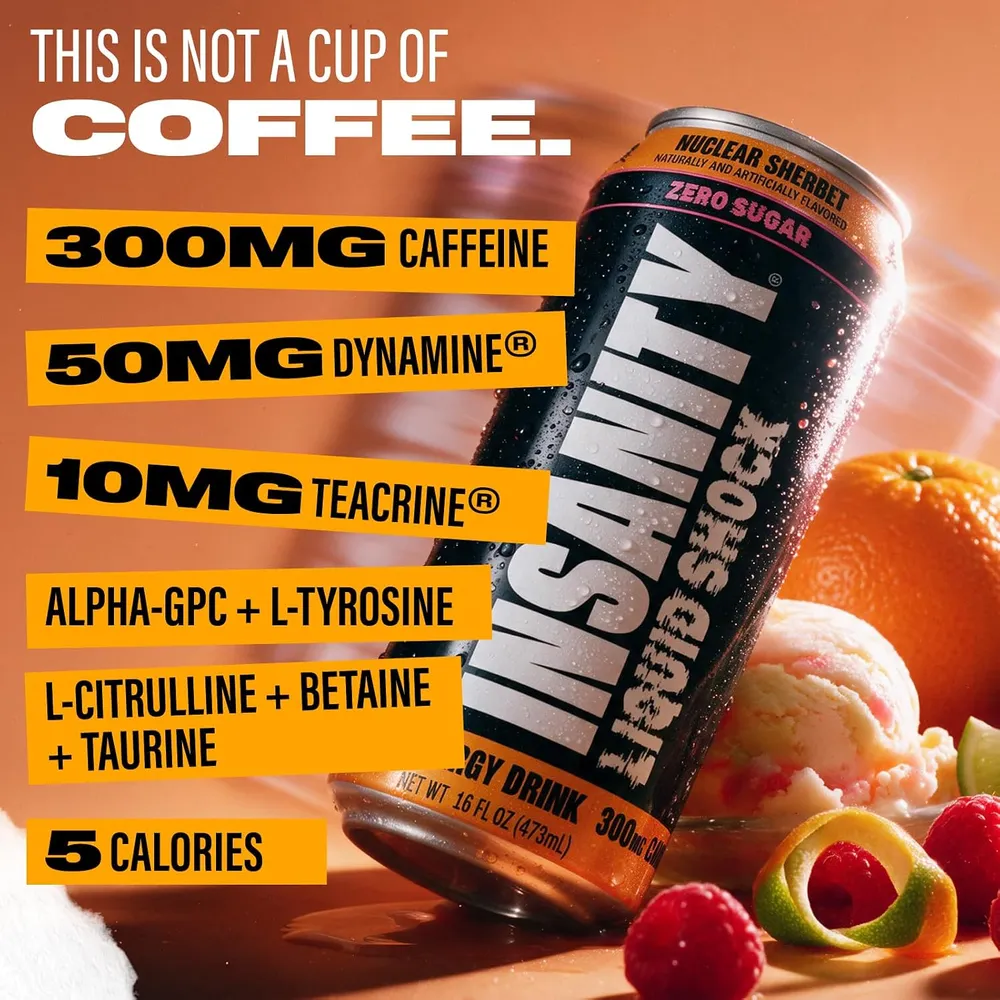
BODi's INSANITY Liquid Shock backs 300mg of caffeine with Dynamine, TeaCrine, and a five-ingredient focus and performance stack in a 5-calorie can.
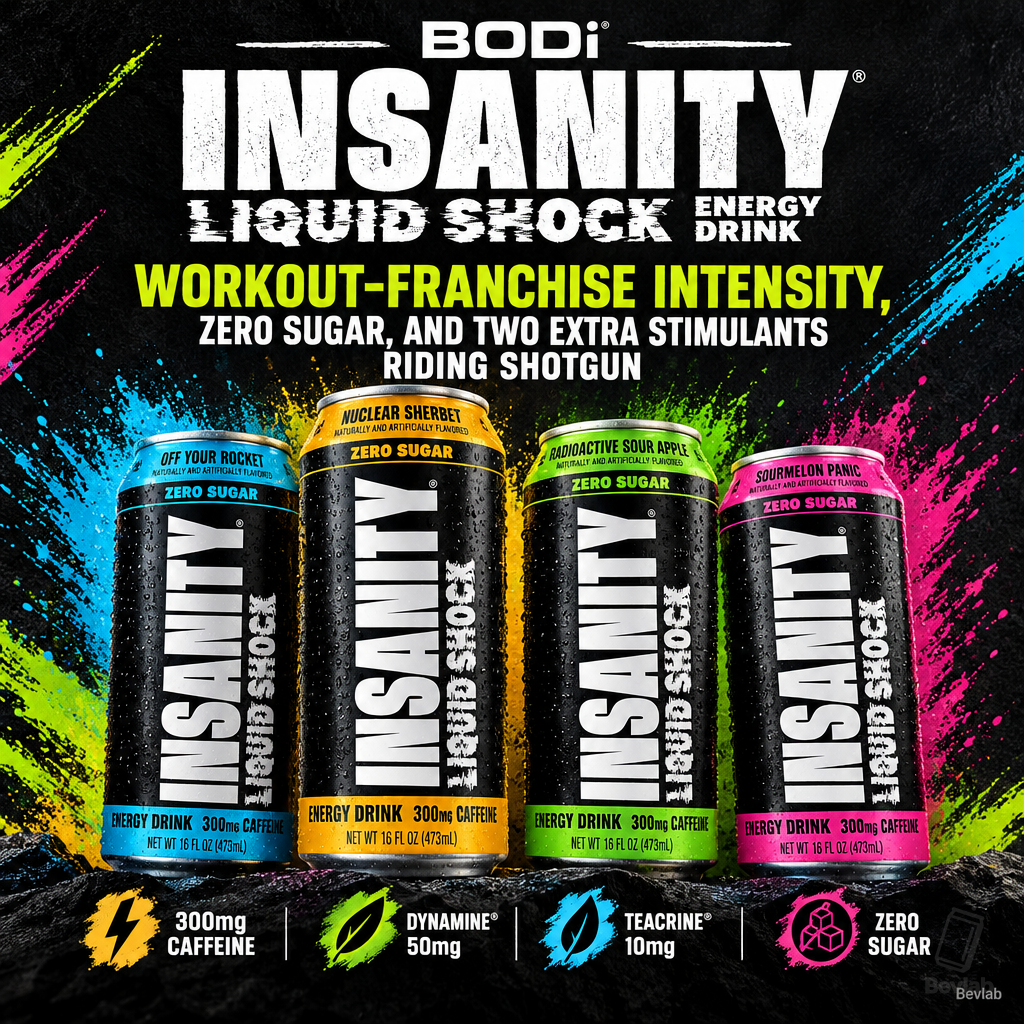
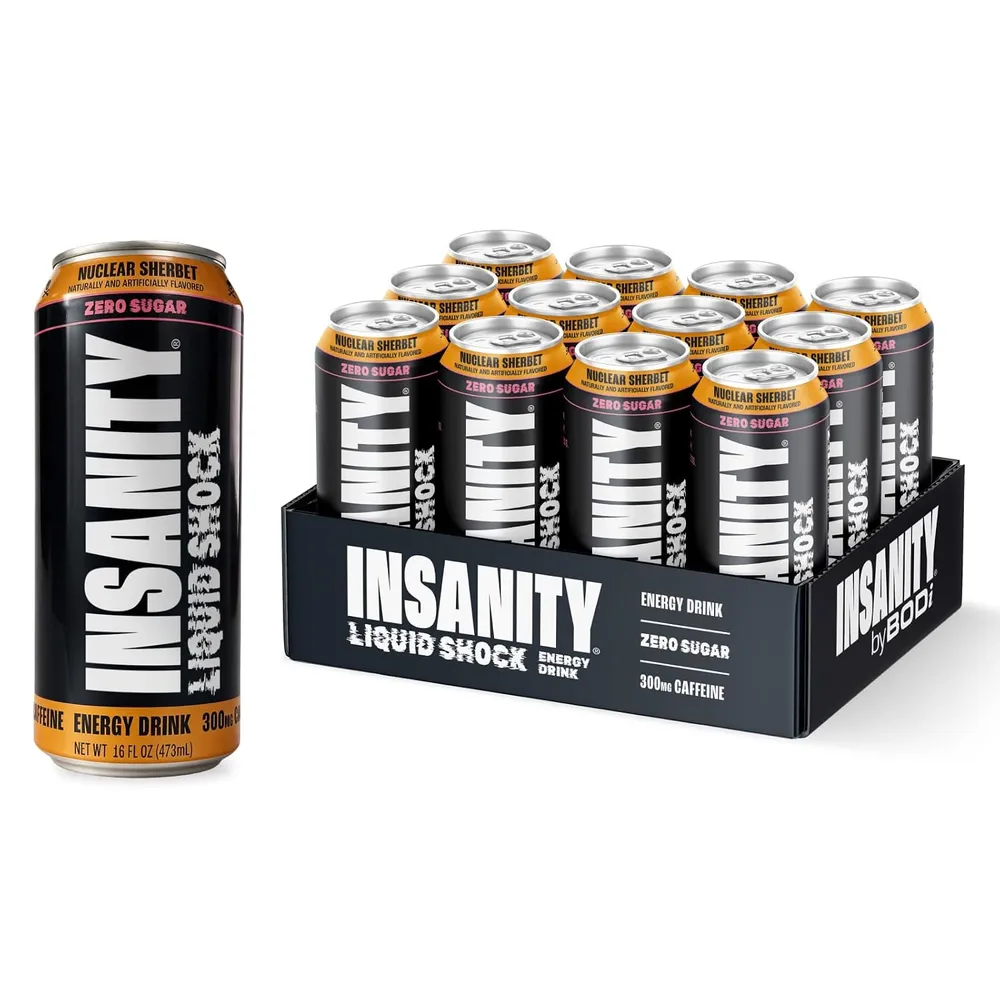
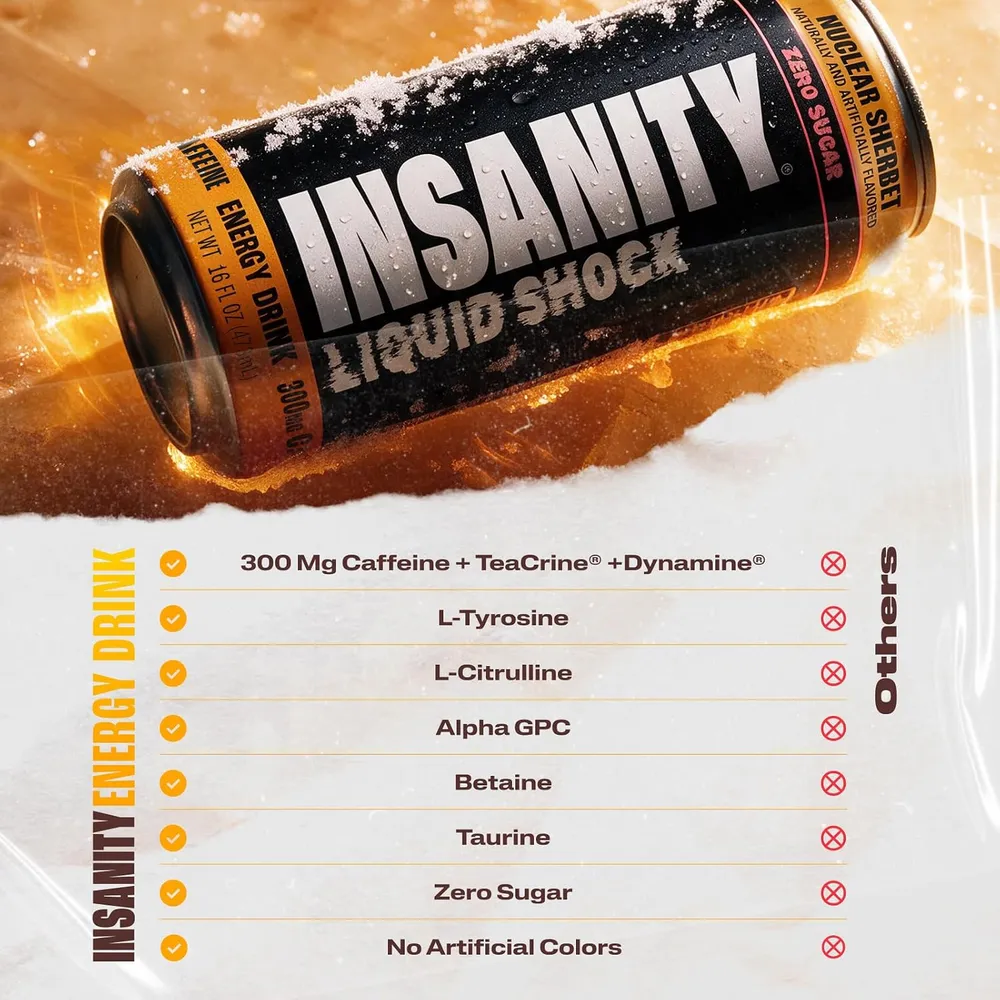
BODi INSANITY Liquid Shock Energy Drink takes one of the most intense names in home fitness and puts it on a zero-sugar can. BODi (the company formerly known as Beachbody) says each can carries 300mg of caffeine, plus two more stimulants that occur naturally in plants: Dynamine and TeaCrine. The brand calls the combo "Triple INSANITY Energy," and it's the whole pitch.
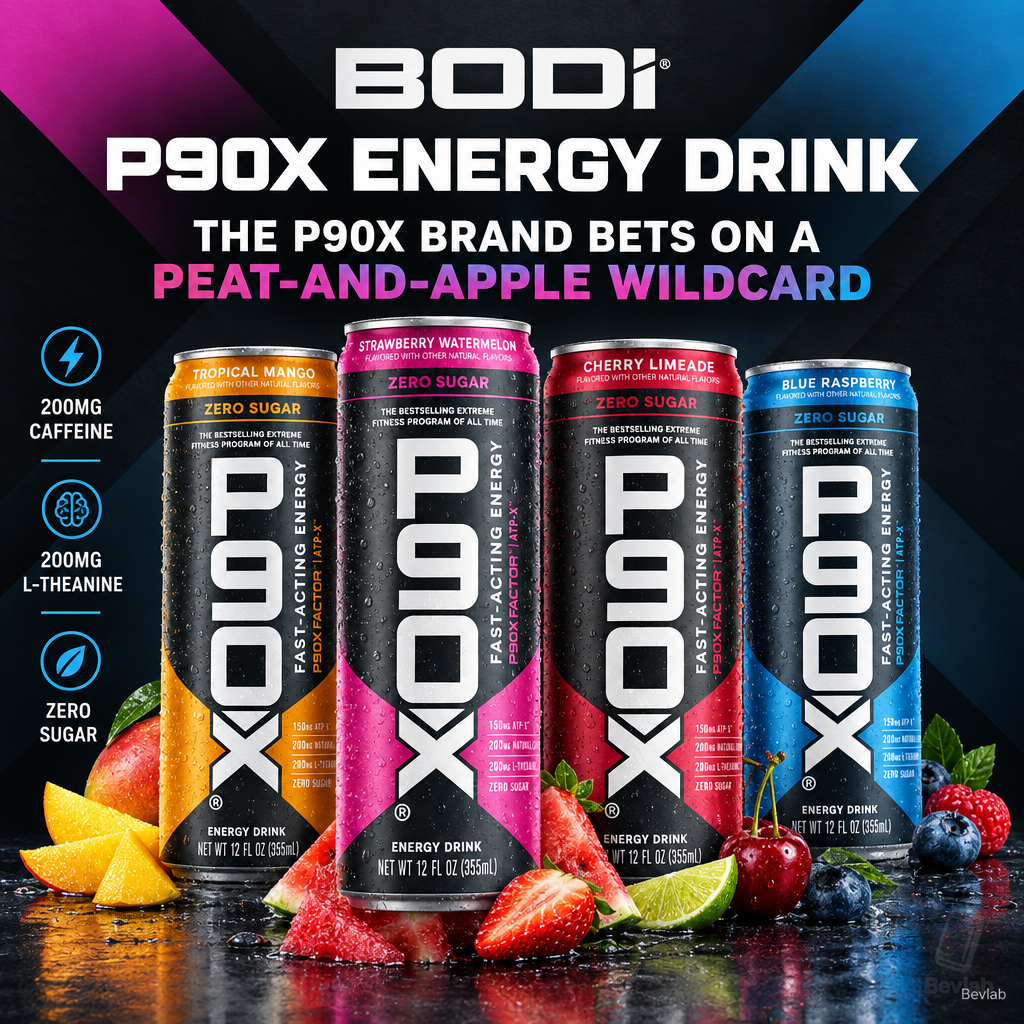
Around that core sits a supporting cast of five focus and performance ingredients, all in a 16 fl oz can with 5 calories. It sits alongside BODi's P90X Energy Drink, which goes the other direction with 200mg of caffeine matched by 200mg of L-theanine for a focus-first ratio. INSANITY is the turn-it-up version, built for people who already know how they handle a big caffeine dose.
BODi INSANITY Liquid Shock Energy Drink Nutrition Facts
Here's the panel for one 16 fl oz can:
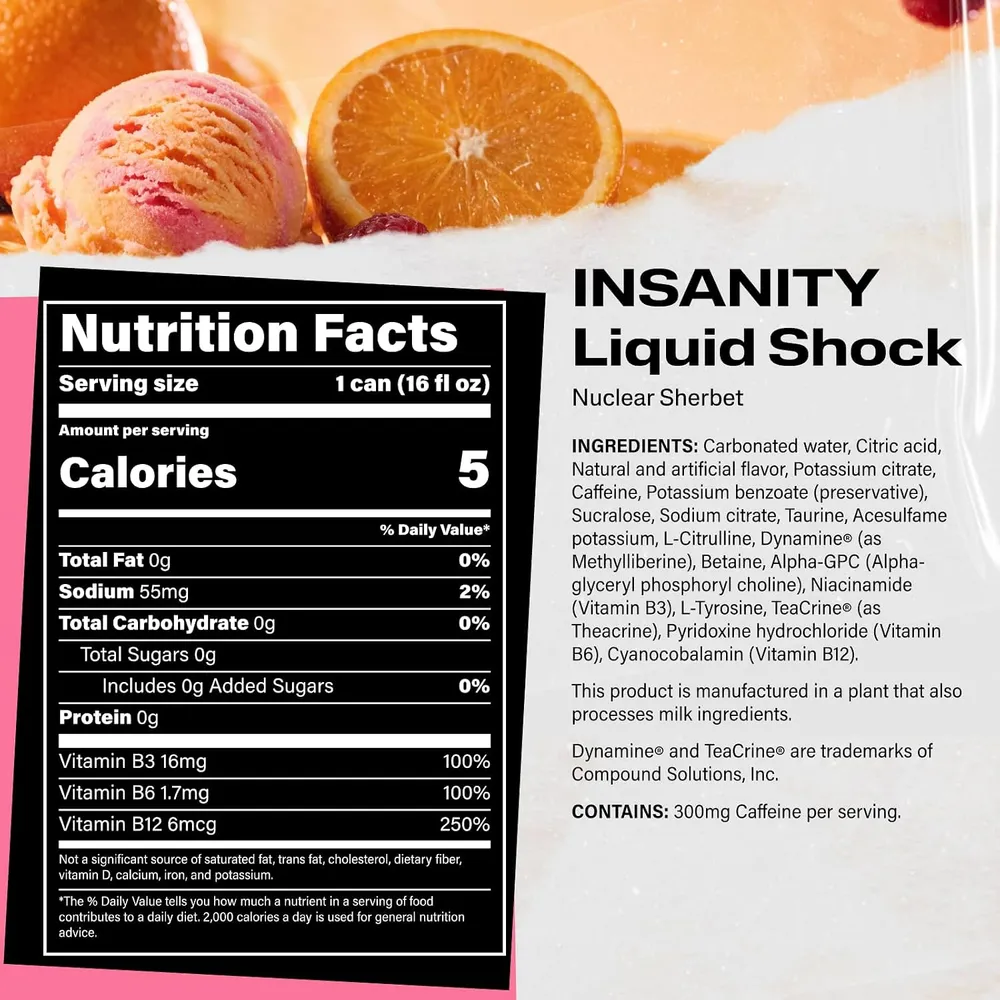
- Calories: 5
- Total Fat: 0g (0% DV)
- Total Carbohydrate: 0g (0% DV)
- Total Sugars: 0g
- Added Sugars: 0g (0% DV)
- Total Sugars: 0g
- Protein: 0g
- Vitamins and Minerals
- Sodium: 55mg (2% DV)
- Vitamin B3: 16mg (100% DV)
- Vitamin B6: 1.7mg (100% DV)
- Vitamin B12: 6mcg (250% DV)
These numbers are from the Nuclear Sherbet can, and other flavors may vary slightly.
BODi INSANITY Liquid Shock Energy Drink Ingredients
Each 16 fl oz can provides the following key actives. BODi states the amounts for caffeine, Dynamine, and TeaCrine, but the Nutrition Facts panel doesn't break out any stimulant doses, and none of the supporting actives list an amount.
-
Caffeine - 300mg
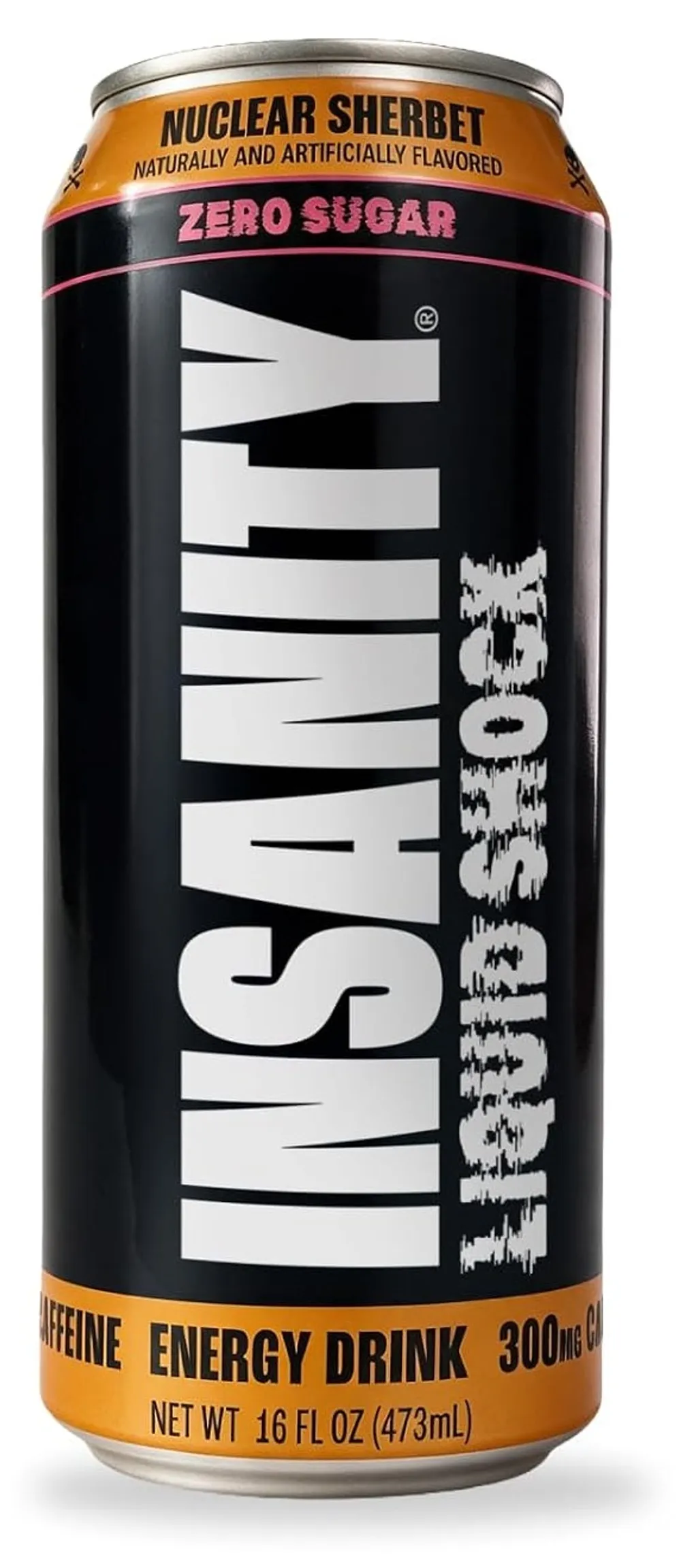
Caffeine is the engine, and BODi says each can has 300mg of it. The label doesn't name a caffeine source, so we'll stay out of the natural-versus-synthetic debate. What matters is the dose. Sports nutrition research has long supported roughly 3-6mg/kg for improving performance,[1] which works out to about 210-420mg for a 70kg adult, so one can lands inside that window. The updated ISSN position stand backs caffeine across endurance, sprint, and power work while stressing that individual response varies a lot.[2] Genetics, medications, and smoking all change how hard it hits.[3] A large systematic review found intakes up to 400mg/day in healthy adults weren't tied to overt adverse effects,[4] and one can is three-quarters of that. Timing matters too. In a sleep study, 400mg taken even six hours before bedtime meaningfully disrupted sleep.[5] This is a morning or pre-training can, not a 9 p.m. one.
-
Dynamine (as Methylliberine) - 50mg
Dynamine is the branded form of methylliberine, a caffeine relative found at low levels in some coffee plants. BODi says each can has 50mg. It's fast and short-lived: in a 12-person study, methylliberine peaked in about 0.8 hours, and half of it cleared in roughly 1.5 hours.[6] On its own, 100mg/day improved mood, motivation, and subjective concentration in 25 adults but didn't move objective tests of thinking speed.[7] A four-week trial at 100-150mg/day found no clinically meaningful changes in heart, blood, or metabolic markers.[8] The closest match to this can's add-on doses is a crossover in 49 male e-gamers using 200mg caffeine with 50mg methylliberine and 10mg theacrine, which beat caffeine alone on kills and precision.[9] This can has more caffeine, so the result doesn't transfer cleanly. One more wrinkle: in a small salivary study, the time to clear half the caffeine stretched from about five hours to about fifteen when it was paired with methylliberine and theacrine.[10] Much of the human research was funded by the trademark holder.
-
TeaCrine (as Theacrine) - 10mg
TeaCrine is the branded form of theacrine, an alkaloid from kucha tea that's chemically close to caffeine. BODi says each can has 10mg, which is small next to the 150-200mg tested on its own, where it improved self-reported energy and reduced fatigue.[11] Theacrine's party trick is its long tail. It stays in your system for roughly 16-26 hours, and caffeine taken alongside it raised theacrine exposure by about 30-50%.[12] Eight weeks of 200-300mg/day showed no sign the effect wore off and no clinically meaningful changes in heart rate, blood pressure, or liver markers.[13] Standing alone, it hasn't reliably improved strength, power, or sprint performance.[14,15] At 10mg, treat it as a sidekick rather than a second engine.
-
Alpha-GPC
Alpha-GPC is a choline source that feeds your brain the raw material for acetylcholine, the signaling chemical behind focus and fast recall. BODi doesn't list an amount, and dose matters here. In a crossover trial of 20 resistance-trained men, single doses of 315mg and 630mg improved Stroop test scores over placebo.[16] A smaller crossover at 200mg and 400mg found only non-significant trends in focus, power, and reaction time.[17] Over a week, 250mg/day improved jump power in college-aged men, though psychomotor vigilance didn't budge.[18] A safety assessment supported Alpha-GPC as a food ingredient up to roughly 1.2g/day.[19] Without a listed amount, we can't say which camp this can lands in, and reaction-time gains from Alpha-GPC alone haven't shown up reliably in healthy adults.
-
L-Tyrosine
L-Tyrosine is an amino acid your brain uses to make dopamine and norepinephrine, and its sweet spot is stress. A review of the research found it mainly helps mental performance during short-term stress or heavy cognitive demand, with little benefit when you're rested.[20] In an 80-person trial, 2,000mg ahead of a stressful simulated drill didn't change stress markers but cut missed responses on a Stroop test.[21] Physical performance is murkier, since a network meta-analysis found no significant pooled endurance benefit in the heat.[22] Studies have used anywhere from 500mg to 12g,[20] and BODi doesn't disclose the amount in this can. One more caution: in older adults, a single large dose worsened proactive control in an fMRI study, so the young-adult stress findings don't automatically carry over.[23]
-
L-Citrulline
L-Citrulline converts to arginine in your body, which boosts nitric oxide. That's what drives the blood flow and the pump. The payoff in studies is modest. A meta-analysis of 12 studies found a small boost to high-intensity strength and power,[24] and another pooled analysis found about three extra reps to failure with 6-8g of citrulline malate taken 40-60 minutes before training.[25] Citrulline also lowered post-exercise perceived exertion and next-day soreness, though not lactate.[26] Two catches. Those trials used at least 3g, so a smaller amount sits outside the pooled evidence,[24] and BODi doesn't list this can's amount. Also, the label says L-citrulline, not citrulline malate, and 8g of the malate form delivers less actual citrulline than 8g of the free form.[27]
-
Betaine
Betaine (also called trimethylglycine) is found in beets, spinach, and wheat, and your body makes it too. Its research is built on daily use, not single cans. A 2024 meta-analysis of 17 studies found at least a week of daily betaine improved maximal strength, driven mostly by the lower body, with no clear effect on sprint power or muscular endurance.[28] Typical study doses run around 2.5g/day.[29] Combined with resistance training, betaine has also been linked to lower fat mass.[30] The heat-tolerance angle gets pitched often, but that evidence leans on animal and cell studies, with only one human trial that showed no significant performance gain.[31] BODi doesn't disclose how much betaine is in the can, so a daily-use track record is all we can point to.
-
Taurine
Taurine is an amino acid found in high concentrations in muscle, heart, and brain tissue. A 2025 meta-analysis of 23 trials found a single 1-6g dose gave a small-to-moderate performance benefit, with no clear step up as the dose rose within that range.[32] Pairing it with caffeine looks smarter than taurine alone, since a network meta-analysis ranked the combination best for anaerobic capacity and reaction time.[33] Still, a meta-analysis of caffeine-containing energy drinks credited much of the performance gain to the caffeine itself.[34] For the brain, taurine alone has delivered small and inconsistent results in healthy adults.[35] BODi doesn't list the taurine amount in this can, so the 1-6g research range is a reference point only.
-
Vitamins and Minerals
-
Vitamin B3 (as Niacinamide) - 16mg (100% DV)
Vitamin B3 here is niacinamide, the form that doesn't cause the skin flush you may know from high-dose nicotinic acid. It helps your cells turn food into usable energy. It's a standard B-vitamin rider, not a performance play.
-
Vitamin B6 (as Pyridoxine Hydrochloride) - 1.7mg (100% DV)
Vitamin B6 helps your body process amino acids and make neurotransmitters. At 1.7mg, it sits well under the 12mg/day adult upper limit EFSA set. The neuropathy concerns in the research involve chronic high intakes, usually from stacked supplements, so watch your total if you also take a B-complex.
-
Vitamin B12 (as Cyanocobalamin) - 6mcg (250% DV)
Vitamin B12 supports red blood cell formation and nerve function, and cyanocobalamin is the stable, low-cost form. The 250% DV is the biggest percentage on the panel, but B12 isn't a stimulant. Don't expect extra buzz from it if your levels are already fine.
-
Sodium Citrate
Sodium Citrate is a salt of citric acid that works as a buffer to keep the drink's acidity in check. The panel's 55mg of sodium (2% DV) comes from the formula as a whole, not one ingredient. The athletic research on sodium citrate uses doses scaled to body weight, and a can with 55mg of sodium can't come close.
-
Potassium Citrate
Potassium Citrate is another citrate salt that helps balance acidity. BODi doesn't list a potassium amount, so don't count this can as an electrolyte source. Its job here is mostly structural.
-
-
Sweeteners and Flavors
-
Sucralose
Sucralose is a high-intensity sweetener roughly 600 times sweeter than sugar, and it's a big reason the can stays at 5 calories. BODi doesn't list the amount. The research on blood sugar effects is mixed. A 14-day trial in 66 healthy adults found lower insulin sensitivity at about 15% of the acceptable daily intake,[36] while EFSA's 2026 re-evaluation concluded the 15mg/kg/day limit needs no revision and that exposure under authorized uses doesn't exceed it.[37]
-
Acesulfame Potassium
Acesulfame Potassium (Ace-K) is about 150-200 times sweeter than sugar and is often blended with sucralose to smooth out bitterness and get a more sugar-like taste.[38] A weight-of-evidence review found no genotoxic or carcinogenic potential.[39] Human data on Ace-K mostly come from blend studies, such as a 60-adult trial where a sucralose and Ace-K drink lowered post-meal insulin response versus sucrose without changing 24-hour intake.[40]
-
Natural and Artificial Flavors
Natural and Artificial Flavors is a catch-all label term. The difference is source, not necessarily chemistry: natural flavors derive from plant or animal material, while artificial ones are synthesized in a lab, even when the molecule is identical.[41] BODi doesn't break out the individual flavor ingredients, which is typical, so the taste profile comes down to a recipe you can't see.
-
-
Other Ingredients
- Carbonated Water - The base of the drink and the source of the fizz. Carbonation is a sensory feature here, not an active ingredient.
- Citric Acid - Gives the drink its tart edge and helps balance acidity.
- Potassium Benzoate - A preservative that keeps microbes from growing in the acidic, sweetened liquid.
Flavors and Label Notes
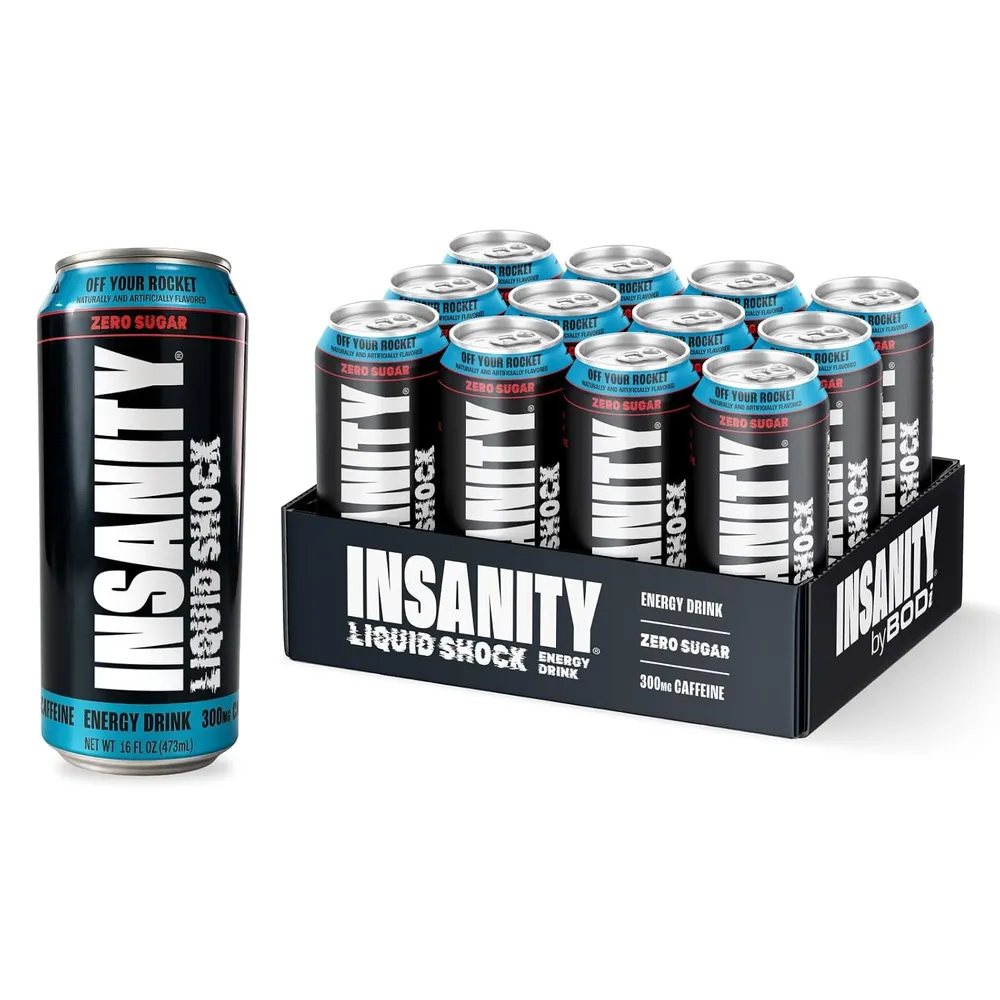
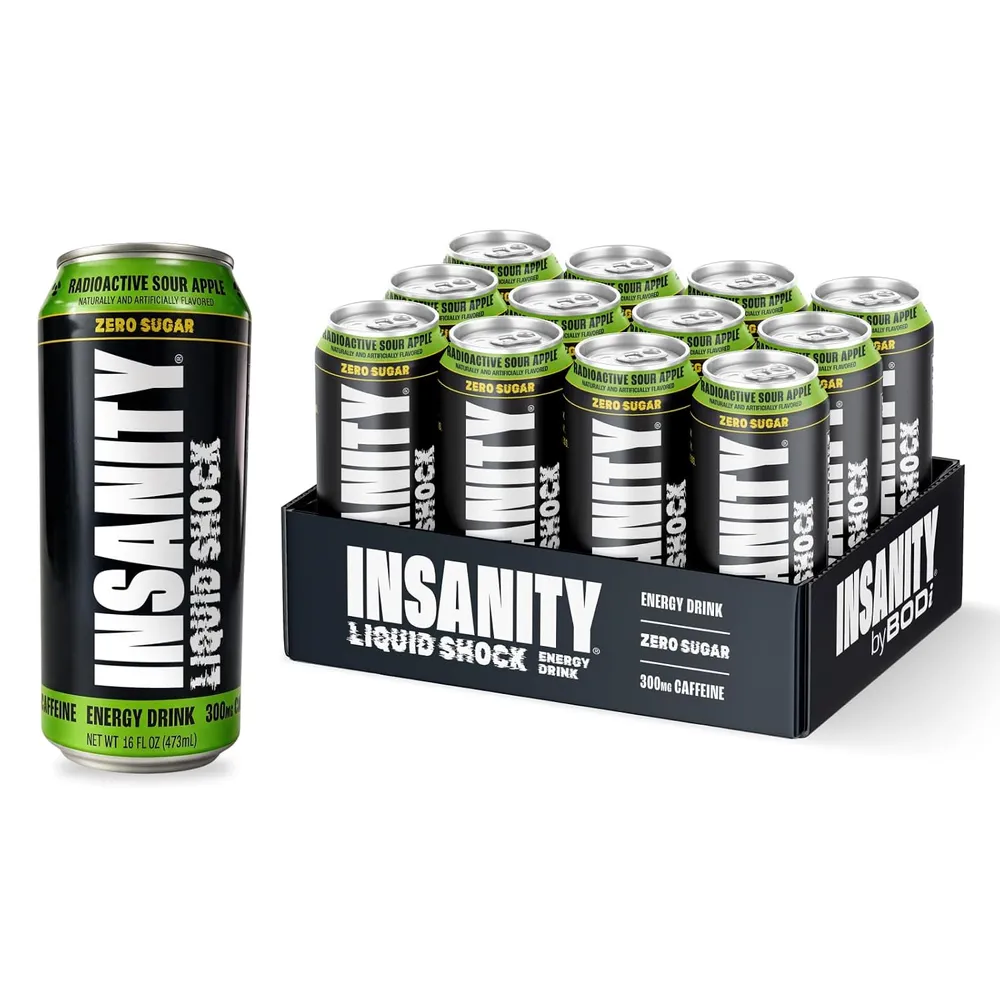
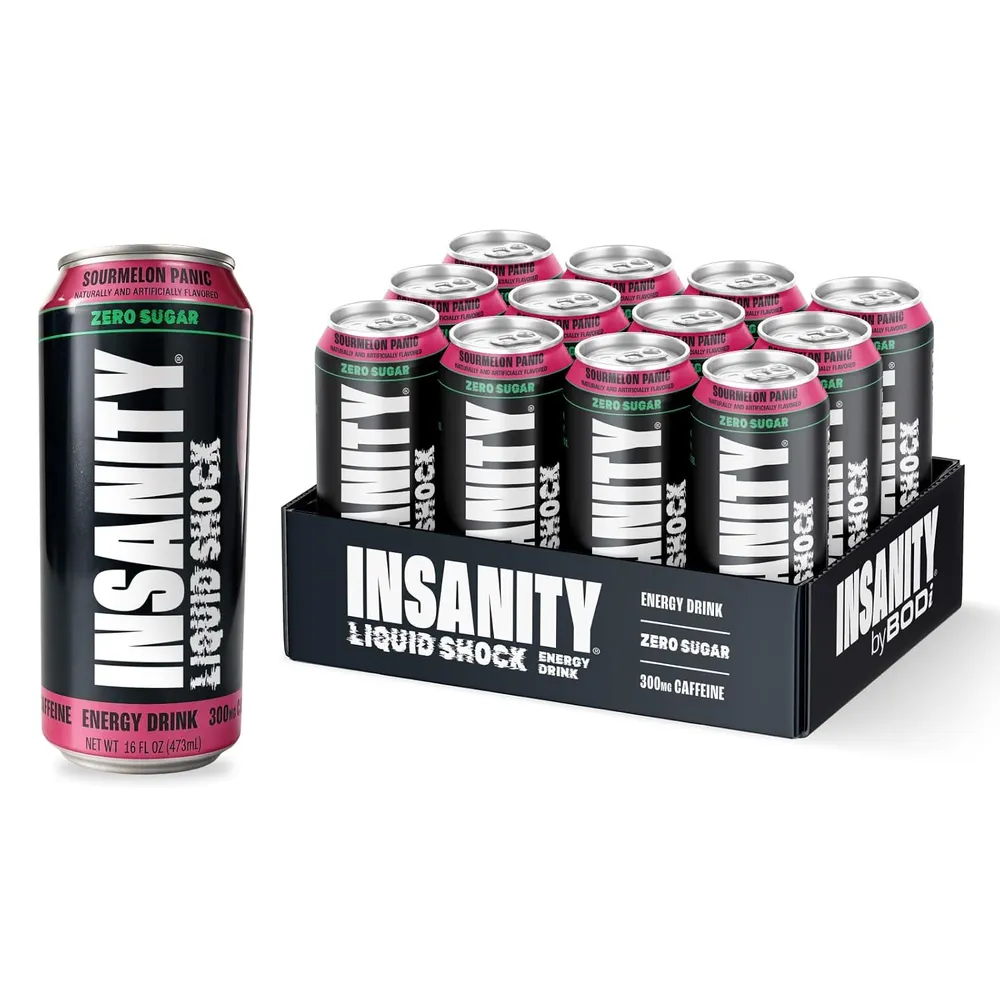
The formula details above come from the Nuclear Sherbet can, and other flavors may vary slightly. The widget below lists the flavors currently available.
- Nuclear Sherbet (12 Cans: $34.99)
- Off Your Rocket (12 Cans: $34.99)
- Radioactive Sour Apple (12 Cans: $34.99)
- Sourmelon Panic (12 Cans: $34.99)
A Stimulant-First Can
INSANITY Liquid Shock is for people with a settled caffeine tolerance who want a high-dose, zero-sugar can with two extra stimulants in the mix. The 300mg of caffeine, 50mg of Dynamine, and 10mg of TeaCrine are stated, and the energy pitch holds up on those numbers. The focus and performance claims lean on five ingredients with no listed amounts, so that half of the pitch is take-it-on-trust.
Want more can-by-can breakdowns? Follow @BevlabMedia on TikTok and Instagram.
References
- Goldstein, Erica R, et al. "International Society Of Sports Nutrition Position Stand Caffeine And Performance." Journal of the International Society of Sports Nutrition, 2010. https://doi.org/10.1186/1550-2783-7-5
- Guest, Nanci S. et al. "International Society Of Sports Nutrition Position Stand Caffeine And Exercise Performance." Journal of the International Society of Sports Nutrition, 2021. https://doi.org/10.1186/s12970-020-00383-4
- Nehlig, Astrid. "Interindividual Differences in Caffeine Metabolism and Factors Driving Caffeine Consumption." Pharmacological reviews, 2018. https://doi.org/10.1124/pr.117.014407
- Wikoff, Daniele, et al. "Systematic review of the potential adverse effects of caffeine consumption in healthy adults, pregnant women, adolescents, and children." Food and chemical toxicology : an international journal published for the British Industrial Biological Research Association, 2017. https://doi.org/10.1016/j.fct.2017.04.002
- Drake, Christopher, et al. "Caffeine effects on sleep taken 0, 3, or 6 hours before going to bed." Journal of clinical sleep medicine : JCSM : official publication of the American Academy of Sleep Medicine, 2013. https://doi.org/10.5664/jcsm.3170
- Wang, Yan-Hong, et al. "Development of a liquid chromatography-tandem mass spectrometry (LC-MS/MS) method for characterizing caffeine, methylliberine, and theacrine pharmacokinetics in humans." Journal of chromatography. B, Analytical technologies in the biomedical and life sciences, 2020. https://doi.org/10.1016/j.jchromb.2020.122278
- La Monica, Michael B, et al. "Methylliberine Ingestion Improves Various Indices of Affect but Not Cognitive Function in Healthy Men and Women." Nutrients, 2023. https://doi.org/10.3390/nu15214509
- VanDusseldorp, Trisha A, et al. "Safety of Short-Term Supplementation with Methylliberine (Dynamine®) Alone and in Combination with TeaCrine® in Young Adults." Nutrients, 2020. https://doi.org/10.3390/nu12030654
- Evans, Cassandra, et al. "A Combination of Caffeine, TeaCrine, and Dynamine Improves the Neurophysiological and Performance Measures of Electronic (E)-Gamers." Cureus, 2023. https://doi.org/10.7759/cureus.44254
- Wildgrube, Toni, et al. "A comparison of theacrine and methylliberine with caffeine as salivary markers for determining gastric emptying." International journal of pharmaceutics: X, 2025. https://doi.org/10.1016/j.ijpx.2025.100442
- Ziegenfuss, Tim N, et al. "A Two Part Approach To Examine The Effects Of Theacrine Teacrine Supplementation On Oxygen Consumption Hemodynamic Responses And Subjective Measures Of Cognitive And Psychometric Parameters." Journal of dietary supplements, 2017. https://doi.org/10.1080/19390211.2016.1178678
- He, Hui, et al. "Assessment Of The Drug Drug Interaction Potential Between Theacrine And Caffeine In Humans." Journal of caffeine research, 2017. https://doi.org/10.1089/jcr.2017.0006
- Taylor, Lem, et al. "Safety Of Teacrine A Non Habituating Naturally Occurring Purine Alkaloid Over Eight Weeks Of Continuous Use." Journal of the International Society of Sports Nutrition, 2016. https://doi.org/10.1186/s12970-016-0113-3
- Cesareo, Kyle R, et al. "The effects of a caffeine-like supplement, TeaCrine®, on muscular strength, endurance and power performance in resistance-trained men." Journal of the International Society of Sports Nutrition, 2019. https://doi.org/10.1186/s12970-019-0316-5
- Cerqueira, Henrique Santa Capita, et al. "Effects of Theacrine as a Pre-Workout Supplement." International journal of environmental research and public health, 2022. https://doi.org/10.3390/ijerph192114037
- Kerksick, Chad M. "Acute Alpha-Glycerylphosphorylcholine Supplementation Enhances Cognitive Performance in Healthy Men." Nutrients, 2024. https://doi.org/10.3390/nu16234240
- Parker, Adam G, et al. "The effects of alpha-glycerylphosphorylcholine, caffeine or placebo on markers of mood, cognitive function, power, speed, and agility." Journal of the International Society of Sports Nutrition, 2015. https://doi.org/10.1186/1550-2783-12-s1-p41
- Marcus, Lena, et al. "Evaluation Of The Effects Of Two Doses Of Alpha Glycerylphosphorylcholine On Physical And Psychomotor Performance." Journal of the International Society of Sports Nutrition, 2017. https://doi.org/10.1186/s12970-017-0196-5
- Brownawell, Amy M, et al. "Safety Assessment Of Agpc As A Food Ingredient." Food and chemical toxicology : an international journal published for the British Industrial Biological Research Association, 2011. https://doi.org/10.1016/j.fct.2011.03.012
- Jongkees, Bryant J, et al. "Effect of tyrosine supplementation on clinical and healthy populations under stress or cognitive demands--A review." Journal of psychiatric research, 2015. https://doi.org/10.1016/j.jpsychires.2015.08.014
- McAllister, Matthew J, et al. "Impact of L-theanine and L-tyrosine on markers of stress and cognitive performance in response to a virtual reality based active shooter training drill." Stress (Amsterdam, Netherlands), 2024. https://doi.org/10.1080/10253890.2024.2375588
- Li, Jiahao, et al. "Effects of Nutritional Supplements on Endurance Performance and Subjective Perception in Athletes Exercising in the Heat: A Systematic Review and Network Meta-Analysis." Nutrients, 2025. https://doi.org/10.3390/nu17132141
- Bloemendaal, Mirjam, et al. "Neuro-Cognitive Effects of Acute Tyrosine Administration on Reactive and Proactive Response Inhibition in Healthy Older Adults." eNeuro, 2018. https://doi.org/10.1523/ENEURO.0035-17.2018
- Trexler, Eric T, et al. "Acute Effects of Citrulline Supplementation on High-Intensity Strength and Power Performance: A Systematic Review and Meta-Analysis." Sports medicine (Auckland, N.Z.), 2019. https://doi.org/10.1007/s40279-019-01091-z
- Vårvik, Fredrik Tonstad, et al. "Acute Effect of Citrulline Malate on Repetition Performance During Strength Training: A Systematic Review and Meta-Analysis." International journal of sport nutrition and exercise metabolism, 2021. https://doi.org/10.1123/ijsnem.2020-0295
- Rhim, Hye Chang, et al. "Effect of citrulline on post-exercise rating of perceived exertion, muscle soreness, and blood lactate levels: A systematic review and meta-analysis." Journal of sport and health science, 2020. https://doi.org/10.1016/j.jshs.2020.02.003
- Gough, Lewis A, et al. "A critical review of citrulline malate supplementation and exercise performance." European journal of applied physiology, 2021. https://doi.org/10.1007/s00421-021-04774-6
- Zawieja, Emilia, et al. "Effects of chronic betaine supplementation on exercise performance: Systematic review and meta-analysis." Journal of sports sciences, 2024. https://doi.org/10.1080/02640414.2024.2423578
- Cholewa, Jason M, et al. "Effects of betaine on body composition, performance, and homocysteine thiolactone." Journal of the International Society of Sports Nutrition, 2013. https://doi.org/10.1186/1550-2783-10-39
- Gao, Xiang, et al. "Effect of Betaine on Reducing Body Fat-A Systematic Review and Meta-Analysis of Randomized Controlled Trials." Nutrients, 2019. https://doi.org/10.3390/nu11102480
- Willingham, Brandon D, et al. "Betaine Supplementation May Improve Heat Tolerance: Potential Mechanisms in Humans." Nutrients, 2020. https://doi.org/10.3390/nu12102939
- Deng, Hengzhi, et al. "Does One Shot Work? The Acute Impact of a Single Taurine Dose on Exercise Performance: A Meta-Analytic Review." Scandinavian journal of medicine & science in sports, 2025. https://doi.org/10.1111/sms.70123
- Deng, Hengzhi, et al. "Caffeine and taurine: a systematic review and network meta-analysis of their individual and combined effects on physical capacity, cognitive function, and physiological markers." Journal of the International Society of Sports Nutrition, 2025. https://doi.org/10.1080/15502783.2025.2566371
- Souza, Diego B, et al. "Acute effects of caffeine-containing energy drinks on physical performance: a systematic review and meta-analysis." European journal of nutrition, 2017. https://doi.org/10.1007/s00394-016-1331-9
- Moore, Jack A, et al. "Cognitive Effects of Taurine and Related Sulphur-Containing Amino Acids: A Systematic Review of Human Trials and Considerations for Plant-Based Dietary Transitions." Foods (Basel, Switzerland), 2026. https://doi.org/10.3390/foods15040634
- Romo-Romo, Alonso, et al. "Sucralose decreases insulin sensitivity in healthy subjects: a randomized controlled trial." The American journal of clinical nutrition, 2018. https://doi.org/10.1093/ajcn/nqy152
- EFSA, Panel on Food Additives and Flavourings (FAF), et al. "Re-evaluation of sucralose (E 955) as a food additive and evaluation of a new application on extension of use of sucralose (E 955) in fine bakery wares." EFSA journal. European Food Safety Authority, 2026. https://doi.org/10.2903/j.efsa.2026.9854
- Chowdhury, Chandrama Roy, et al. "Beyond sweetness: A review of the health and safety of acesulfame-K." Food chemistry, 2026. https://doi.org/10.1016/j.foodchem.2025.147290
- Marchitti, Satori A, et al. "Lack of Genotoxic and Carcinogenic Potential for Nonsugar Sweeteners: A Review of Animal and Mechanistic Evidence." Advances in nutrition (Bethesda, Md.), 2025. https://doi.org/10.1016/j.advnut.2025.100552
- Almiron-Roig, Eva, et al. "Impact of acute consumption of beverages containing plant-based or alternative sweetener blends on postprandial appetite, food intake, metabolism, and gastro-intestinal symptoms: Results of the SWEET beverages trial." Appetite, 2023. https://doi.org/10.1016/j.appet.2023.106515
- Singh, Nidhi, et al. "Natural food flavours: a healthier alternative for bakery industry-a review." Journal of food science and technology, 2024. https://doi.org/10.1007/s13197-023-05782-4
Tagged