G Fuel Energy Drink: The Gamer Powder, Canned and Cranked Up
A streamer-scene brand trades the shaker cup for a can that hits hard
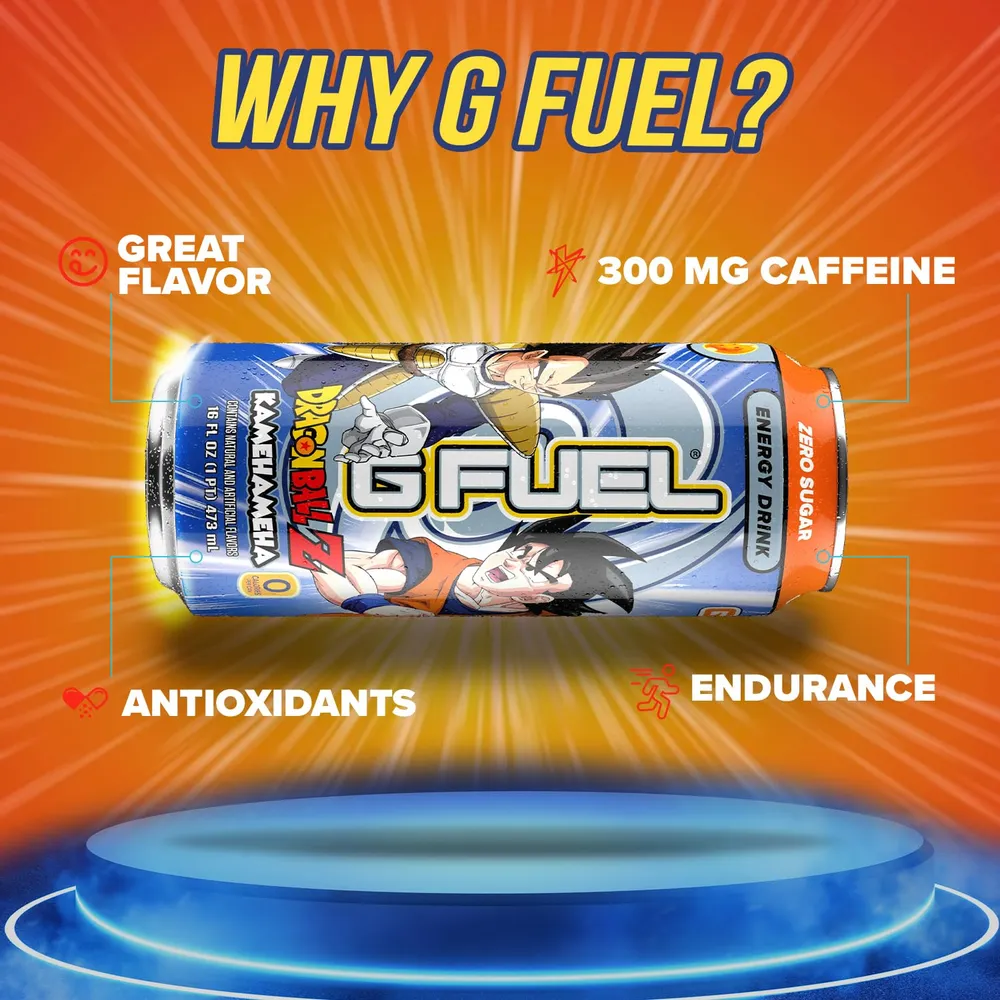
G FUEL's zero-sugar can carries 300mg of caffeine, over twice its powder serving, while leaving every amino acid and extract amount off the label.
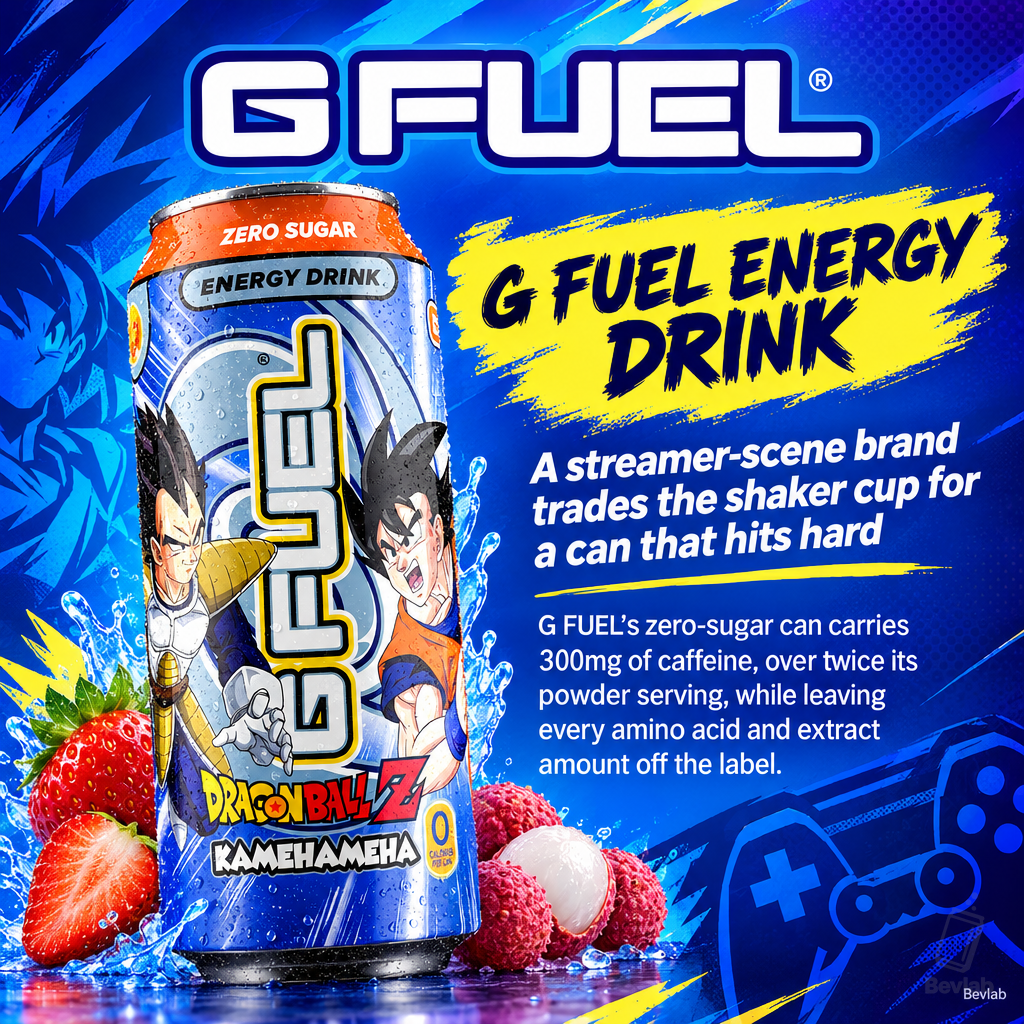
G Fuel Energy Drink is the canned version of G FUEL, the West Babylon, New York company that has been tied to gaming since 2012 and made its name with tubs of powder you shake up before a long session. The cans skip the shaker and push the caffeine much higher: 300mg per 16 fl oz can, against the 140mg the brand lists for a serving of its Energy Formula powder. Same gamer identity, a lot more stimulant per sitting.
Beyond the caffeine, the label has some surprises for a gaming can. You get tyrosine and theanine for focus, a short run of B vitamins and vitamin C, potassium beta-hydroxybutyrate (a ketone salt), and a list of turmeric, tart cherry, blueberry, broccoli, and kale. It's zero sugar and zero calories, sweetened with sucralose and acesulfame potassium. The catch is that the label gives no amounts for any of the amino acids, the ketone salt, or the extracts. The one active dose you can actually check is the caffeine.
G Fuel Energy Drink Nutrition Facts
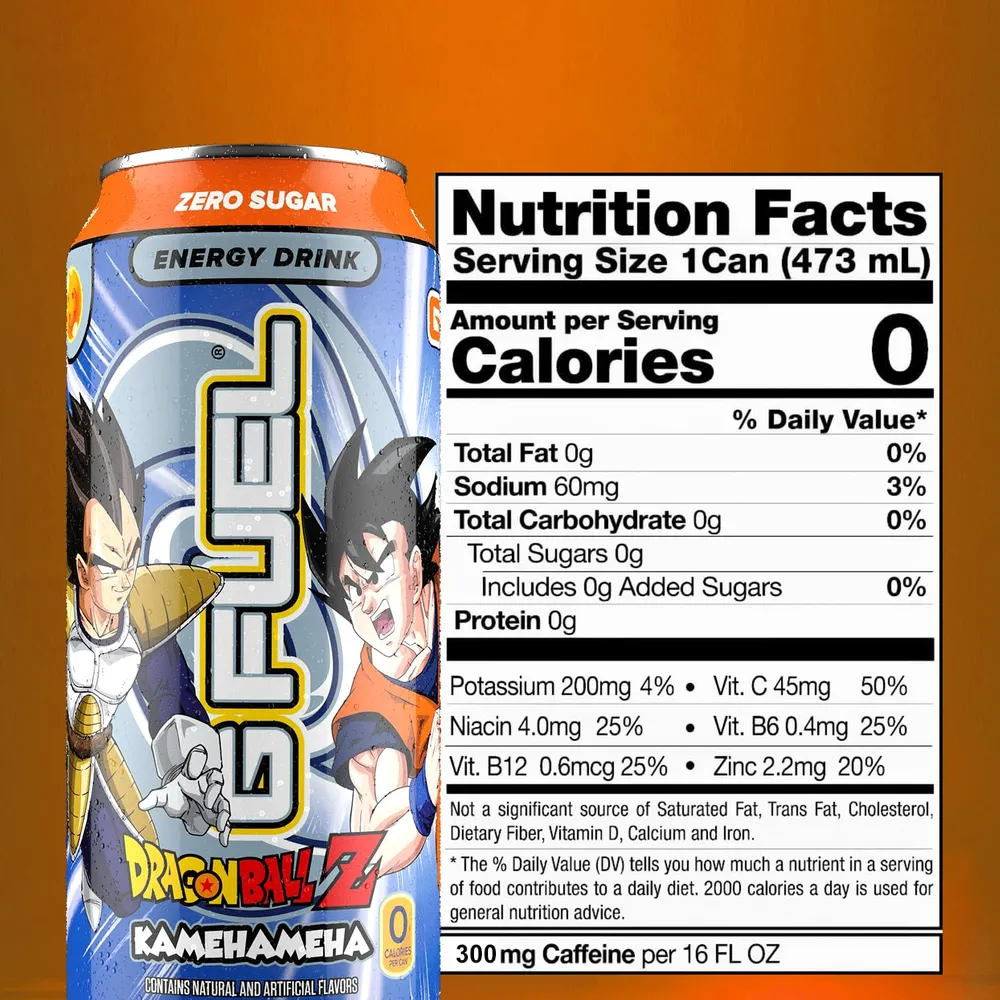
Serving size: 1 can (473mL). These numbers come from a single can's panel, so other flavors may differ slightly.
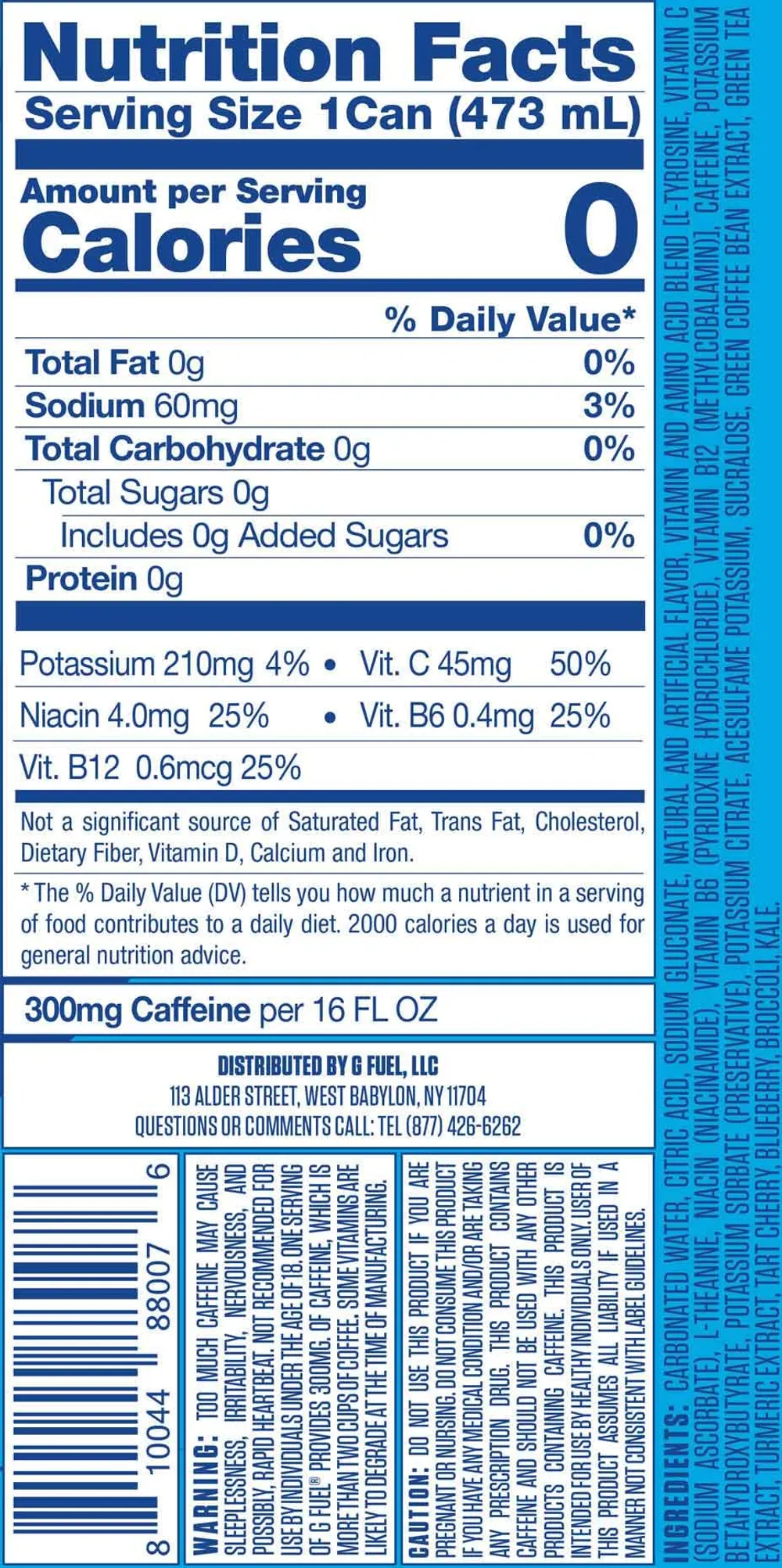
- Calories: 0
- Total Fat: 0g (0% DV)
- Total Carbohydrate: 0g (0% DV)
- Total Sugars: 0g
- Added Sugars: 0g (0% DV)
- Total Sugars: 0g
- Protein: 0g
- Vitamins and Minerals
- Sodium: 60mg (3% DV)
- Potassium: 210mg (4% DV)
- Vitamin C: 45mg (50% DV)
- Niacin: 4.0mg (25% DV)
- Vitamin B6: 0.4mg (25% DV)
- Vitamin B12: 0.6mcg (25% DV)
G Fuel Energy Drink Ingredients
Each 16 fl oz (473mL) can provides the following key actives:
-
Caffeine - 300mg
Caffeine drives this can, and at 300mg per serving it sits at the high end of what a single energy drink delivers. It blocks the signal that makes you feel tired, which is why it shows up in so much research on alertness and focus. A broad review found that roughly 40-300mg improves alertness, vigilance, attention, and reaction time in both rested and sleep-restricted people.[1] For training, the ISSN position stand puts the useful range at about 3-6mg/kg of bodyweight, with no extra overall benefit at 9mg/kg or above.[2] For a 70kg adult, one can lands inside that window.
The label lists caffeine alongside green coffee bean extract and green tea extract. The 300mg is the can's stated total, so any caffeine those extracts contribute counts toward it rather than adding to it.
The dose deserves respect. A large systematic review found that intakes up to 400mg/day in healthy adults generally weren't linked to overt adverse effects.[3] One can uses three-quarters of that. Timing matters too: in a crossover study, 400mg taken even six hours before bed significantly disrupted sleep.[4] Stacking the can with other caffeinated products adds up fast.
-
L-Tyrosine
L-Tyrosine is listed first in the can's vitamin and amino acid blend, but G FUEL doesn't print an amount. It's an amino acid that helps your brain make dopamine and norepinephrine under stress, and the research behind it is narrow. Tyrosine seems most useful when stress, cold, sleep loss, or heavy mental demand would otherwise run those brain chemicals down. A review concluded that tyrosine reliably helps working memory and mental flexibility during short-term stressors but offers little benefit when you're rested and relaxed.[5] A rapid evidence assessment gave it a "weak recommendation in favor" for thinking under stress, pointing to low-quality studies.[6]
The better trials are interesting. Military cadets who took 2g a day during a demanding combat course outperformed a placebo group on memory and tracking tasks.[7] In a 2024 trial, a single 2,000mg dose reduced missed responses on a Stroop task during a stressful virtual-reality drill, even though physical stress markers didn't change.[8]
Those studies used gram-level doses or weight-based amounts around 150mg/kg. Without a number on the can, you can't tell how close this formula comes.
-
L-Theanine
L-Theanine is the tea-leaf amino acid that turns up in a lot of well-built energy drinks for one reason: it pairs nicely with caffeine. On its own, research links it to the relaxed-focus state, and a systematic review found that 200mg/day reduced stress responses such as heart rate and salivary immune markers during a mental arithmetic challenge.[9]
The pairing is where it matters most. A meta-analysis of 11 trials found that caffeine plus theanine improved alertness and attention switching compared with placebo, though most of the attention gains followed the caffeine dose more than the theanine dose.[10] In a crossover trial, 250mg theanine with 150mg caffeine improved reaction time, working memory speed, and alertness while reducing tiredness, results neither ingredient fully matched alone.[11] Another study found the two ingredients added to each other's effects on attention rather than multiplying them.[12]
G FUEL lists theanine inside the blend without an amount. Most combination studies used roughly 100-250mg, and the label doesn't show whether this can reaches that range. Since theanine sits next to a 300mg caffeine hit here, its amount is the number we'd most like G FUEL to print.
-
Ketones (as Potassium Beta-Hydroxybutyrate)
Potassium beta-hydroxybutyrate (BHB) is a ketone salt, and it's the most unusual ingredient on this label. BHB is the main ketone your liver makes during fasting or very low-carb eating, and tissues like the brain, heart, and muscle can burn it as a fuel source when glucose is scarce.[13] Ketone salts raise blood BHB without changing your diet, but only modestly: they typically lift levels to around 0.5-1.5mM, well below what ketone esters reach.[14]
The human data on salts is limited. An 8-week trial in adults with overweight or obesity used 5g of BHB salts twice daily alongside a reduced-calorie diet and saw fat loss within the BHB group, but the difference from placebo wasn't statistically significant.[15] The best-known athletic result, a roughly 2% time-trial improvement, came from a ketone ester drink dosed at 573mg/kg, which is both a different form and a much larger dose.[16]
The can doesn't disclose its BHB amount. Because the research uses servings measured in grams, treat the ketone salt as a supporting ingredient rather than the reason to buy. It also contributes to the can's potassium total.
-
Green Coffee Bean Extract
Green coffee bean extract comes from raw, unroasted coffee beans, which keep far more of their chlorogenic acids than roasted coffee because roasting breaks those polyphenols down.[17] The extract can also carry caffeine, and that caffeine behaves like synthetic caffeine in your body. In one crossover trial, 200mg of caffeine from green coffee extract was bioequivalent to synthetic caffeine, with no meaningful blood pressure or heart rate difference at two hours.[18] A second trial found the same equivalence at 60mg.[19]
Most green coffee research looks at chlorogenic acids taken daily for weeks. A dose-response meta-analysis of 15 trials found modest drops in body weight, BMI, and waist size, with no clear link between chlorogenic acid dose and results.[20] Another meta-analysis of 10 trials reported small reductions in systolic and diastolic blood pressure.[21]
Those trials ran for weeks, at doses commonly in the hundreds of milligrams per day. G FUEL doesn't list an extract amount or a chlorogenic acid percentage, so in this can it works mainly as a named caffeine source under the 300mg total.
-
Green Tea Extract
Green tea extract provides catechins such as EGCG and, depending on how it's processed, some caffeine. Extracts vary widely, so extract weight, total catechins, and EGCG content are separate numbers and can't be swapped for one another.[22]
The research that fits an energy drink is metabolic. In a respiratory chamber study, an extract supplying 150mg caffeine and 270mg EGCG over a day raised 24-hour energy expenditure by 4% and shifted fuel use toward fat burning. A matched dose of caffeine alone didn't reproduce that result.[23] Weight-loss meta-analyses show small average effects, around 1.3kg in one pooled analysis.[24]
Concentrated extracts also come with safety findings worth knowing. EFSA flagged liver-enzyme increases at supplemental intakes of 800mg EGCG/day or more,[25] and in a year-long trial at 843mg EGCG daily, ALT elevations hit 6.7% of extract users compared with 0.7% on placebo.[26] Those findings involve high-dose supplements. G FUEL lists green tea extract with no amount and no EGCG figure, so you can't compare this can to that research in either direction.
-
Turmeric Extract
The label lists turmeric extract, whose best-known compound is curcumin. Curcumin's big problem is absorption. In a dose-escalation study, standard curcumin was barely detectable in the blood even at 8,000mg.[27] Adding 20mg of piperine raised absorption by roughly 2,000% in an older pharmacokinetic study.[28] That's why the form matters so much in curcumin products.
When curcumin does get absorbed, the research is reasonably encouraging. A meta-analysis of 66 trials found reductions in CRP, TNF-alpha, and IL-6 along with better antioxidant markers.[29] Results aren't uniform, though: a meta-analysis of 19 trials in people with chronic inflammatory conditions found no significant change in those same markers.[30] For active people, a systematic review of 11 studies found that most reported less muscle damage and soreness after exercise.[31]
The can lists turmeric extract without an amount, a curcuminoid standard, or an absorption-enhanced form, and piperine isn't on the ingredient list. Studies commonly used 500-1,500mg/day, so this one is hard to judge from the label.
-
Tart Cherry
Tart cherry research mostly uses the Montmorency variety, a fruit that combines berry-like anthocyanins and flavonols with coffee-like chlorogenic acid.[32] Exercise recovery is its strongest area. A meta-analysis of 19 trials in trained athletes found faster strength recovery after hard exercise, but no clear effect on soreness or muscle-damage markers like CK.[33]
Those results come from loading protocols, typically 30mL of concentrate or a cup or more of juice once or twice a day for several days before and after a tough session. In a head-to-head comparison against a carbohydrate-matched sports drink, tart cherry juice gave cyclists no edge in a 10km time trial or in recovery.[34] Dosing comparisons are difficult anyway, because many studies never measured the polyphenol content of the products they tested.[35]
G FUEL lists tart cherry near the end of the ingredient statement, with no amount and no form specified. That makes it hard to connect this can to the recovery research, which used daily servings over several days, not a single can.
-
Broccoli
Broccoli research focuses on glucoraphanin, a compound that turns into sulforaphane when an enzyme called myrosinase is active.[36] Conversion depends heavily on whether that enzyme is present. In a crossover study of 50 adults, people recovered about 70% of the sulforaphane from a sulforaphane-rich broccoli sprout beverage, compared with about 5% from a glucoraphanin-rich version.[37] Sulforaphane switches on the body's own protective enzyme systems and has shown strong activity in animal research.[38]
Human outcomes are limited and inconsistent, with small studies and high person-to-person variation.[39] Broccoli research also hasn't looked at energy, focus, or exercise performance, so this ingredient isn't doing the work energy drink buyers usually care about.
The label lists broccoli near the end with kale and blueberry, and none of the three has an amount or a glucoraphanin or sulforaphane figure. Read it as part of the produce-extract list rather than as a functional dose.
-
Vitamins and Minerals
-
Vitamin C (as Sodium Ascorbate) - 45mg (50% DV)
Vitamin C appears here as sodium ascorbate, a salt form that also adds a little sodium. At 45mg, one can covers half the Daily Value. Vitamin C is an essential nutrient involved in collagen formation and normal immune function, so it's a sensible daily contribution. It's far below the gram-level doses used in most supplement research.
-
Niacin (as Niacinamide) - 4.0mg (25% DV)
Niacin comes as niacinamide, the form that doesn't cause the skin flush associated with nicotinic acid. Your body uses niacin to make NAD+, a coenzyme central to turning food into usable energy. At 4.0mg, it's a modest top-up toward daily needs and nowhere near the gram-level doses studied for cholesterol.
-
Vitamin B6 (as Pyridoxine Hydrochloride) - 0.4mg (25% DV)
Vitamin B6 is listed as pyridoxine hydrochloride, the common stable form. It helps your body process amino acids and make neurotransmitters. At 0.4mg it's a small amount, well below the 12mg/day adult upper limit EFSA set in 2023. If you also take a B-complex or several fortified products, it's still worth keeping track of your total B6 intake.
-
Vitamin B12 (as Methylcobalamin) - 0.6mcg (25% DV)
Vitamin B12 shows up as methylcobalamin, a form that sounds more advanced on a label but isn't clearly better than other B12 forms once your body processes it. B12 supports red blood cell formation and nerve health. If you already get enough, extra B12 isn't a source of energy.
-
Potassium - 210mg (4% DV)
Potassium totals 210mg per can. The label lists several potassium compounds, including potassium citrate, potassium beta-hydroxybutyrate, potassium sorbate, and acesulfame potassium, but doesn't break down how much each contributes. At 4% of the Daily Value, it's a minor electrolyte contribution, not a hydration formula.
-
Sodium - 60mg (3% DV)
Sodium comes in at 60mg, with sodium gluconate and sodium ascorbate among the sodium-containing ingredients on the label. That's a light amount that won't change anyone's daily sodium picture much.
-
-
Sweeteners and Flavors
-
Sucralose
Sucralose is a chlorinated sugar derivative roughly 600 times sweeter than sugar, with negligible calories.[40] EFSA's 2026 re-evaluation kept the acceptable daily intake at 15mg/kg of bodyweight and found no safety concern at reported uses.[41] Research on glucose response is mixed. In one trial, sucralose affected glucose tolerance in some people through changes in gut bacteria, with large differences between individuals.[42] The can doesn't list an amount.
-
Acesulfame Potassium
Acesulfame potassium (Ace-K) is about 150-200 times sweeter than sugar, and it's often paired with sucralose to round out the taste and cover a slight bitterness.[43] Your body barely metabolizes it, and about 99% is excreted unchanged in urine.[43] A weight-of-evidence review covering animal bioassays and genotoxicity testing found no genotoxic or carcinogenic potential.[44]
-
Natural and Artificial Flavor
The label lists natural and artificial flavor. The difference between the two is about where the flavor comes from, not its chemical structure. An artificial flavor can be molecularly identical to a natural one and still be labeled artificial.[45] Flavor systems change from can to can across the line, and the label doesn't specify the components.
-
-
Other Ingredients
- Carbonated Water - The base of the drink, providing the fizz.
- Citric Acid - Adds tartness and helps control the drink's acidity.
- Sodium Gluconate - A sodium salt commonly used in beverages as an acidity regulator and sequestrant. It also contributes some of the can's sodium.
- Potassium Citrate - Helps buffer acidity and adds to the potassium total.
- Potassium Sorbate - Labeled as a preservative, it helps keep yeast and mold from growing in the can.
- Blueberry and Kale - Listed at the very end of the ingredients with tart cherry and broccoli, without amounts or a specified form.
Collab Cans and Flavor Drops
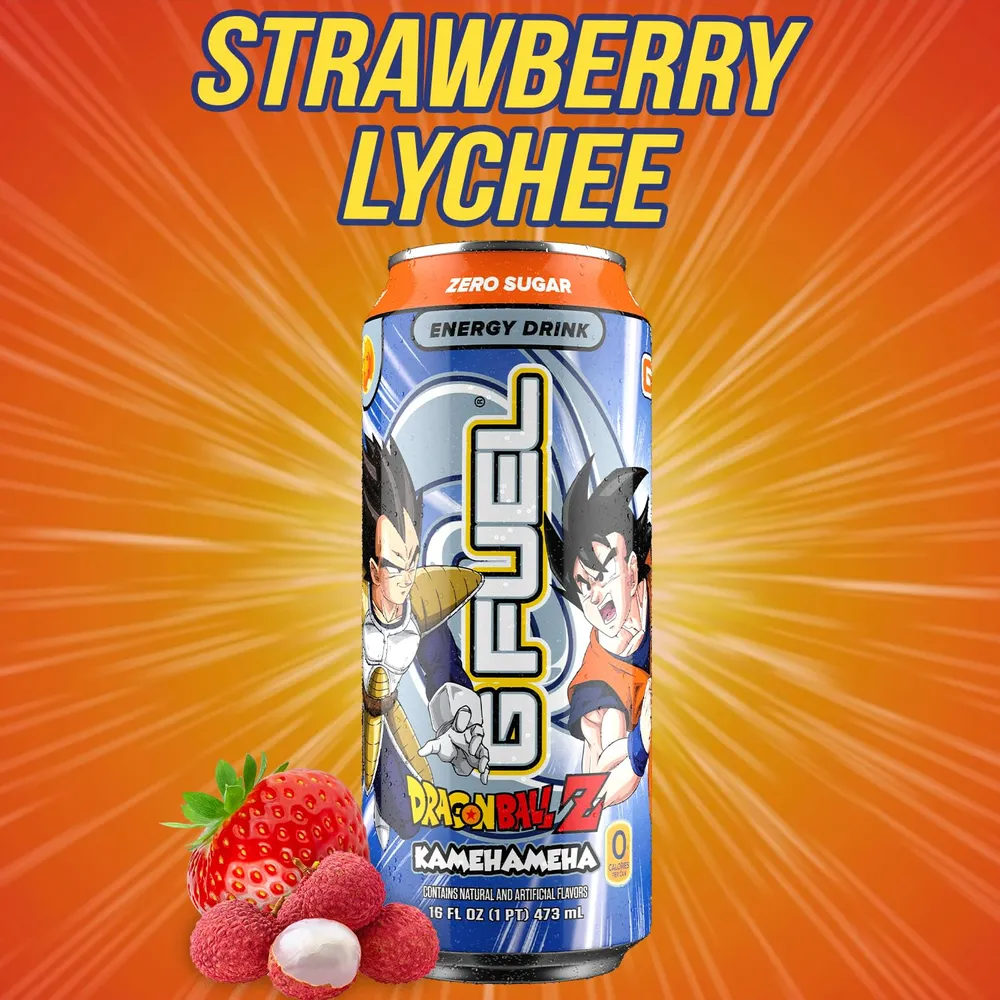
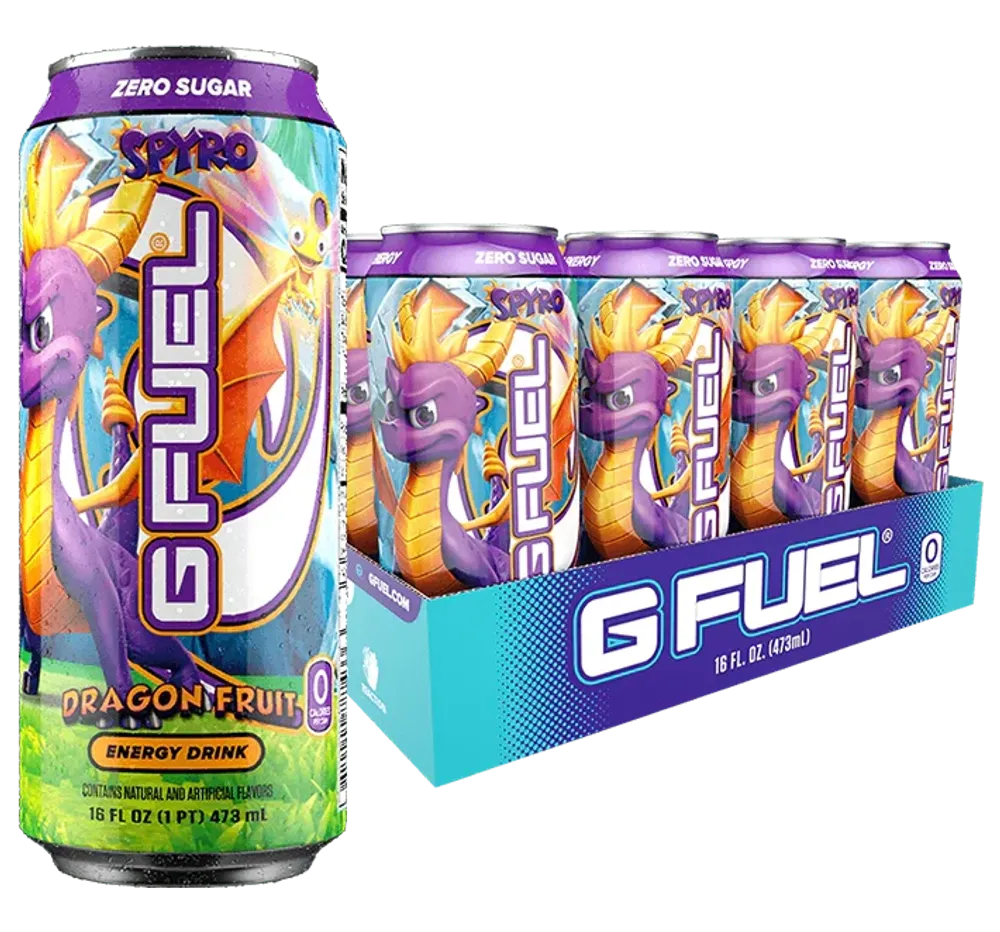
The can line's personality comes from licensed collaborations, such as the Spyro Dragonfruit can and the Dragon Ball Z Kamehameha Strawberry Lychee can, so new flavors tend to arrive as fandom tie-ins. Use the live module below to see which flavors are currently out.
- PewDiePie (Lingonberry Fruit) (12 Cans: $39.99)
- Sage Mode (Pomelo Fruit + Peach) (12 Cans: $28.67)
- Watermelon Limeade (12 Cans: $45.00)
Mind the 300mg Ceiling
A can at this caffeine level isn't a fit for anyone under 18 or for people who are pregnant or nursing. Skip it if you have a medical condition or take prescription medication, unless your doctor okays it, and don't stack it with other caffeinated products. If you're caffeine-sensitive, the brand's powder offers a lower-caffeine option. If you drink the can, stick to one and have it well before bedtime.
Built for the Caffeine-Tolerant Gamer
G Fuel Energy Drink is a high-caffeine can for experienced energy drink drinkers who want G FUEL's gaming identity without mixing powder. The 300mg of caffeine is the only dose you can verify, and without printed amounts, the tyrosine, theanine, ketone salt, and produce extracts read more like a list of ingredients than a dosed stack.
References
- McLellan, Tom M. et al. "A Review Of Caffeine S Effects On Cognitive Physical And Occupational Performance." Neuroscience & Biobehavioral Reviews, 2016. https://doi.org/10.1016/j.neubiorev.2016.09.001
- Goldstein, Erica R, et al. "International Society Of Sports Nutrition Position Stand Caffeine And Performance." Journal of the International Society of Sports Nutrition, 2010. https://doi.org/10.1186/1550-2783-7-5
- Wikoff, Daniele, et al. "Systematic review of the potential adverse effects of caffeine consumption in healthy adults, pregnant women, adolescents, and children." Food and chemical toxicology : an international journal published for the British Industrial Biological Research Association, 2017. https://doi.org/10.1016/j.fct.2017.04.002
- Drake, Christopher, et al. "Caffeine effects on sleep taken 0, 3, or 6 hours before going to bed." Journal of clinical sleep medicine : JCSM : official publication of the American Academy of Sleep Medicine, 2013. https://doi.org/10.5664/jcsm.3170
- Jongkees, Bryant J, et al. "Effect of tyrosine supplementation on clinical and healthy populations under stress or cognitive demands--A review." Journal of psychiatric research, 2015. https://doi.org/10.1016/j.jpsychires.2015.08.014
- Attipoe, Selasi, et al. "Tyrosine for Mitigating Stress and Enhancing Performance in Healthy Adult Humans, a Rapid Evidence Assessment of the Literature." Military medicine, 2015. https://doi.org/10.7205/MILMED-D-14-00594
- Deijen, J B, et al. "Tyrosine improves cognitive performance and reduces blood pressure in cadets after one week of a combat training course." Brain research bulletin, 1999. https://doi.org/10.1016/s0361-9230(98)00163-4
- McAllister, Matthew J, et al. "Impact of L-theanine and L-tyrosine on markers of stress and cognitive performance in response to a virtual reality based active shooter training drill." Stress (Amsterdam, Netherlands), 2024. https://doi.org/10.1080/10253890.2024.2375588
- Williams, Jackson L, et al. "The Effects Of Green Tea Amino Acid L Theanine Consumption On The Ability To Manage Stress And Anxiety Levels A Systematic Review." Plant foods for human nutrition (Dordrecht, Netherlands), 2020. https://doi.org/10.1007/s11130-019-00771-5
- Camfield, David A, et al. "Acute effects of tea constituents L-theanine, caffeine, and epigallocatechin gallate on cognitive function and mood: a systematic review and meta-analysis." Nutrition reviews, 2014. https://doi.org/10.1111/nure.12120
- Haskell, Crystal F, et al. "The Effects Of L Theanine Caffeine And Their Combination On Cognition And Mood." Biological psychology, 2008. https://doi.org/10.1016/j.biopsycho.2007.09.008
- Kahathuduwa, Chanaka N, et al. "Acute Effects Of Theanine Caffeine And Theanine Caffeine Combination On Attention." Nutritional neuroscience, 2017. https://doi.org/10.1080/1028415X.2016.1144845
- Puchalska, Patrycja, et al. "Multi-dimensional Roles of Ketone Bodies in Fuel Metabolism, Signaling, and Therapeutics." Cell metabolism, 2017. https://doi.org/10.1016/j.cmet.2016.12.022
- Poff, Angela M, et al. "Ketone Supplementation: Meeting the Needs of the Brain in an Energy Crisis." Frontiers in nutrition, 2021. https://doi.org/10.3389/fnut.2021.783659
- Roeth, Eliza J, et al. "Effect of Exogenous Ketones as an Adjunct to Low-Calorie Diet on Metabolic Markers." Nutrients, 2025. https://doi.org/10.3390/nu17223582
- Cox, Pete J, et al. "Nutritional Ketosis Alters Fuel Preference and Thereby Endurance Performance in Athletes." Cell metabolism, 2016. https://doi.org/10.1016/j.cmet.2016.07.010
- Lu, Huijie, et al. "Chlorogenic acid: A comprehensive review of the dietary sources, processing effects, bioavailability, beneficial properties, mechanisms of action, and future directions." Comprehensive reviews in food science and food safety, 2020. https://doi.org/10.1111/1541-4337.12620
- Krieger, DR; Kalman DS; Feldman S; Arnillas L; Goldberg D; Gisbert O; Nader S. "The Safety, Pharmacokinetics, and Nervous System Effects of Two Natural Sources of Caffeine in Healthy Adult Males." Clinical and Translational Science, 2016. https://doi.org/10.1111/cts.12403
- Morton, Kayce, et al. "A Prospective Randomized, Double-Blind, Two-Period Crossover Pharmacokinetic Trial Comparing Green Coffee Bean Extract-A Botanically Sourced Caffeine-With a Synthetic USP Control." Clinical pharmacology in drug development, 2018. https://doi.org/10.1002/cpdd.451
- Asbaghi, Omid, et al. "The effect of green coffee extract supplementation on anthropometric measures in adults: A comprehensive systematic review and dose-response meta-analysis of randomized clinical trials." Complementary therapies in medicine, 2020. https://doi.org/10.1016/j.ctim.2020.102424
- Samavat, Simin, et al. "The effects of green coffee bean extract on blood pressure and heart rate: A systematic review and dose-response meta-analysis of randomized controlled trials." Diabetes & metabolic syndrome, 2024. https://doi.org/10.1016/j.dsx.2024.103120
- Zhao, Tiantian, et al. "Green Tea (Camellia sinensis): A Review of Its Phytochemistry, Pharmacology, and Toxicology." Molecules (Basel, Switzerland), 2022. https://doi.org/10.3390/molecules27123909
- Dulloo, A G, et al. "Efficacy of a green tea extract rich in catechin polyphenols and caffeine in increasing 24-h energy expenditure and fat oxidation in humans." The American journal of clinical nutrition, 1999. https://doi.org/10.1093/ajcn/70.6.1040
- Hursel, R, et al. "The effects of green tea on weight loss and weight maintenance: a meta-analysis." International Journal of Obesity, 2009. https://doi.org/10.1038/ijo.2009.135
- EFSA, Panel on Food Additives and Nutrient Sources added to Food (ANS), et al. "Scientific opinion on the safety of green tea catechins." EFSA journal. European Food Safety Authority, 2018. https://doi.org/10.2903/j.efsa.2018.5239
- Dostal, Allison M, et al. "The safety of green tea extract supplementation in postmenopausal women at risk for breast cancer: results of the Minnesota Green Tea Trial." Food and chemical toxicology : an international journal published for the British Industrial Biological Research Association, 2015. https://doi.org/10.1016/j.fct.2015.05.019
- Lao, Christopher D, et al. "Dose escalation of a curcuminoid formulation." BMC complementary and alternative medicine, 2006. https://doi.org/10.1186/1472-6882-6-10
- Shoba, G, et al. "Influence of piperine on the pharmacokinetics of curcumin in animals and human volunteers." Planta medica, 1998. https://doi.org/10.1055/s-2006-957450
- Dehzad, Mohammad Jafar, et al. "Antioxidant and anti-inflammatory effects of curcumin/turmeric supplementation in adults: A GRADE-assessed systematic review and dose-response meta-analysis of randomized controlled trials." Cytokine, 2023. https://doi.org/10.1016/j.cyto.2023.156144
- White, C Michael, et al. "Oral turmeric/curcumin effects on inflammatory markers in chronic inflammatory diseases: A systematic review and meta-analysis of randomized controlled trials." Pharmacological research, 2019. https://doi.org/10.1016/j.phrs.2019.104280
- Suhett, Lara Gomes, et al. "Effects of curcumin supplementation on sport and physical exercise: a systematic review." Critical reviews in food science and nutrition, 2021. https://doi.org/10.1080/10408398.2020.1749025
- Mayta-Apaza, Alba C. et al. "Tart Cherries and health: Current knowledge and need for a better understanding of the fate of phytochemicals in the human gastrointestinal tract." Critical Reviews in Food Science and Nutrition, 2019. https://doi.org/10.1080/10408398.2017.1384918
- Daab, Wael, et al. "Effects of Tart Cherry Juice Supplementation on Recovery from Exercise-Induced Muscle Damage in Athletes: A Systematic Review and Meta-Analysis." Sports medicine - open, 2026. https://doi.org/10.1186/s40798-026-00993-3
- Gao, Ruirui, et al. "The effect of tart cherry juice compared to a sports drink on cycling exercise performance, substrate metabolism, and recovery." PloS one, 2024. https://doi.org/10.1371/journal.pone.0307263
- Sabou, Vlad R, et al. "Review of Analytical Methods and Reporting of the Polyphenol Content of Tart Cherry Supplements in Human Supplementation Studies Investigating Health and Exercise Performance Effects: Recommendations for Good Practice." Frontiers in nutrition, 2021. https://doi.org/10.3389/fnut.2021.652094
- Fahey, Jed W, et al. "Sulforaphane Bioavailability from Glucoraphanin-Rich Broccoli: Control by Active Endogenous Myrosinase." PloS one, 2015. https://doi.org/10.1371/journal.pone.0140963
- Egner, Patricia A, et al. "Bioavailability of Sulforaphane from two broccoli sprout beverages: results of a short-term, cross-over clinical trial in Qidong, China." Cancer prevention research (Philadelphia, Pa.), 2011. https://doi.org/10.1158/1940-6207.CAPR-10-0296
- Fahey, Jed W, et al. "The Challenges of Designing and Implementing Clinical Trials With Broccoli Sprouts… and Turning Evidence Into Public Health Action." Frontiers in nutrition, 2021. https://doi.org/10.3389/fnut.2021.648788
- Saito, Atsushi, et al. "Sulforaphane as a potential therapeutic agent: a comprehensive analysis of clinical trials and mechanistic insights." Journal of nutritional science, 2025. https://doi.org/10.1017/jns.2025.10033
- Bourguignon, Léa, et al. "Sucralose as a Way to Enhance Regulatory T Cells, the SWEET Trial: Clinical Research Protocol." Canadian journal of kidney health and disease, 2026. https://doi.org/10.1177/20543581261418540
- EFSA, Panel on Food Additives and Flavourings (FAF), et al. "Re-evaluation of sucralose (E 955) as a food additive and evaluation of a new application on extension of use of sucralose (E 955) in fine bakery wares." EFSA journal. European Food Safety Authority, 2026. https://doi.org/10.2903/j.efsa.2026.9854
- Suez, Jotham, et al. "Personalized microbiome-driven effects of non-nutritive sweeteners on human glucose tolerance." Cell, 2022. https://doi.org/10.1016/j.cell.2022.07.016
- Chowdhury, Chandrama Roy, et al. "Beyond sweetness: A review of the health and safety of acesulfame-K." Food chemistry, 2026. https://doi.org/10.1016/j.foodchem.2025.147290
- Marchitti, Satori A, et al. "Lack of Genotoxic and Carcinogenic Potential for Nonsugar Sweeteners: A Review of Animal and Mechanistic Evidence." Advances in nutrition (Bethesda, Md.), 2025. https://doi.org/10.1016/j.advnut.2025.100552
- Singh, Nidhi, et al. "Natural food flavours: a healthier alternative for bakery industry-a review." Journal of food science and technology, 2024. https://doi.org/10.1007/s13197-023-05782-4
Tagged