Protein Pop Balance
Rise Wellness's newest RTD trades big protein numbers for a lighter, gut-focused pitch
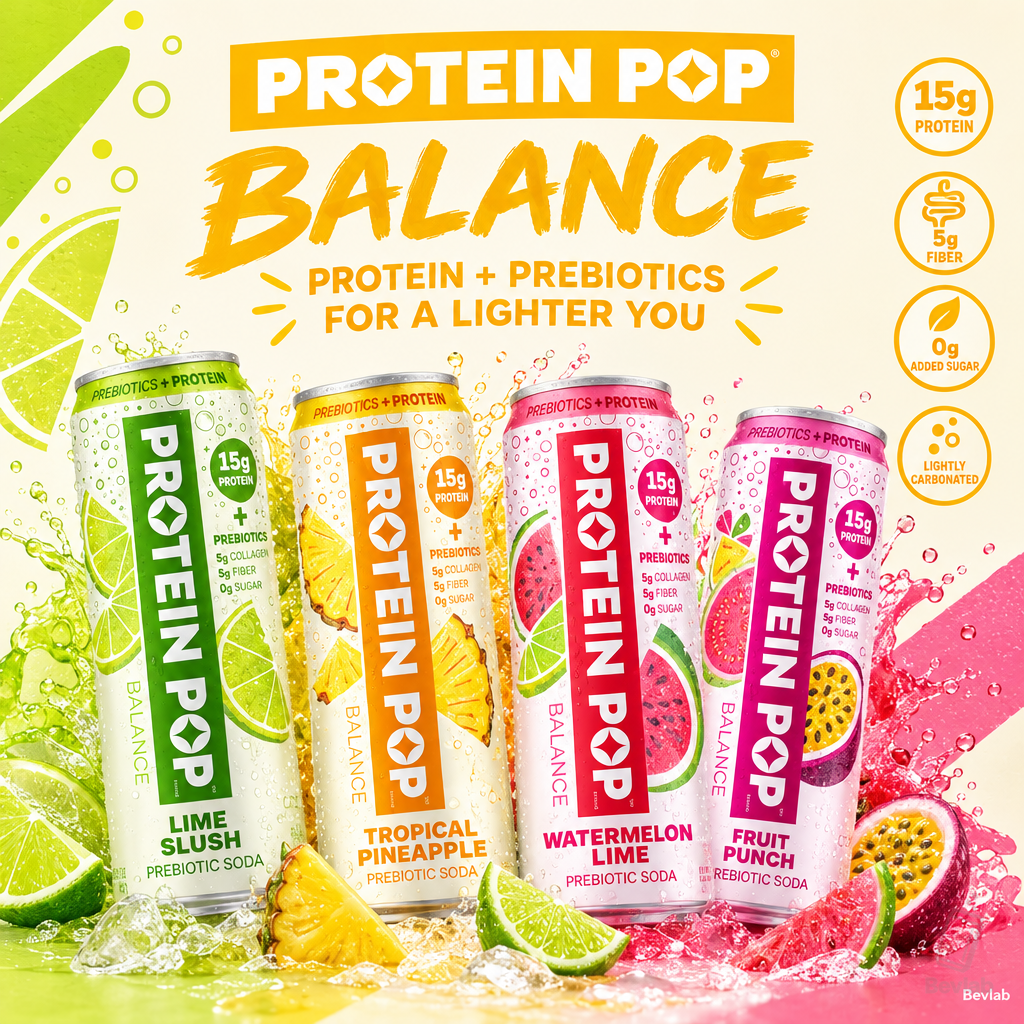
Protein Pop Balance packs 15g of protein and 5g of prebiotic fiber into an 80-calorie, lightly carbonated clear soda.
Protein Pop built its name on a can that looked like water and carried 22g of clear whey protein isolate, a direct answer to the chalky-powder, messy-shaker problem the Utah-based team kept running into. But Protein Pop Balance takes that clear-protein idea somewhere new.
Instead of maxing out the protein number, it's a lightly carbonated, soda-style can built around a smaller 15g protein dose, 5g of prebiotic fiber, and 0g of added sugar. It's the third SKU in the Protein Pop lineup, sitting between the original 22g flagship and the 30g Protein Pop Plus, and it's aimed less at post-workout refueling and more at the crowd chasing both protein and gut health from the same can.
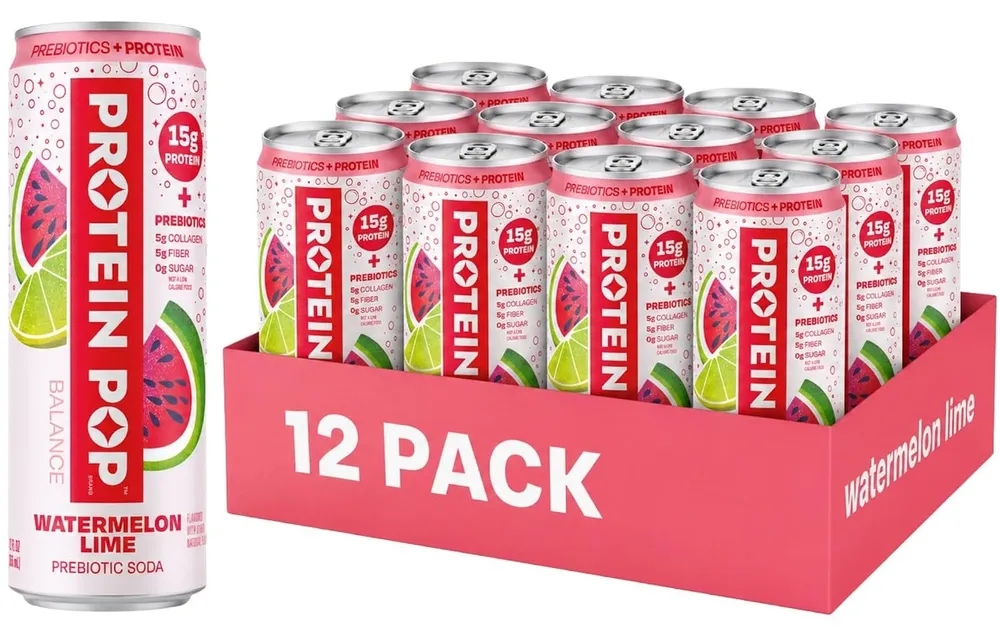
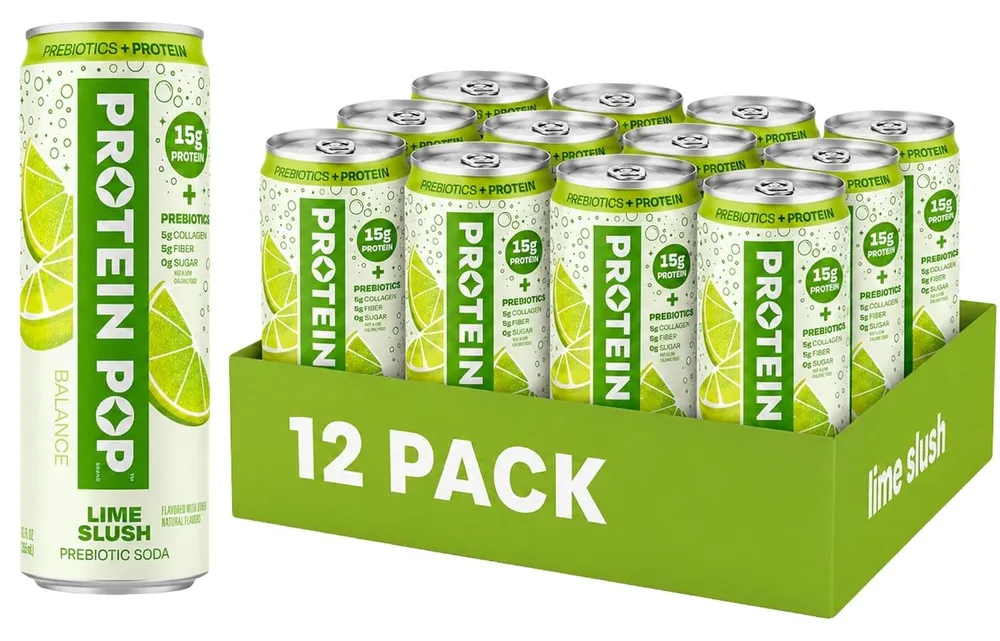
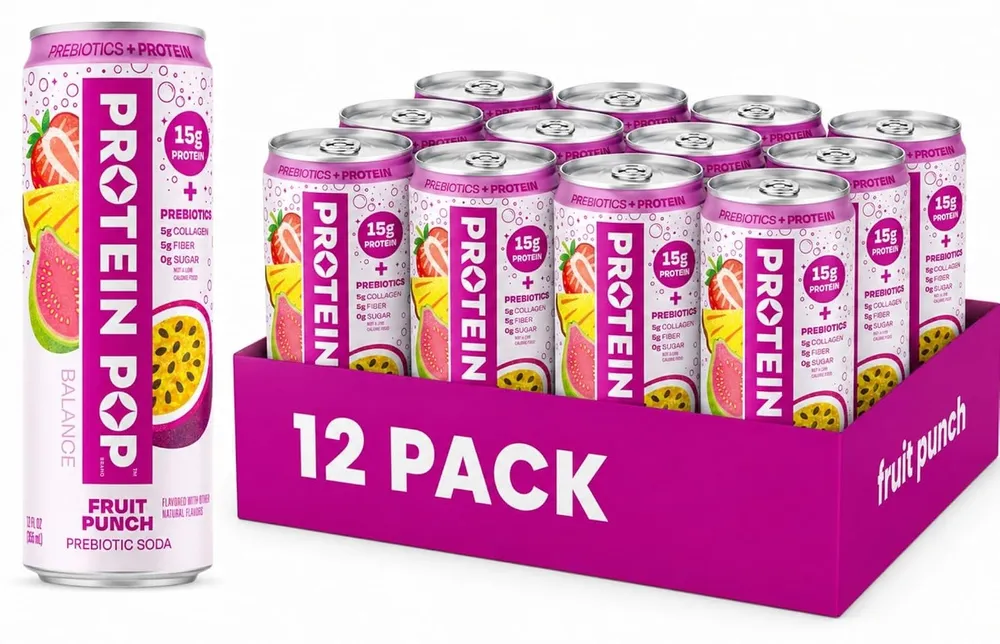
The brand is owned by Rise Wellness, a wholly owned subsidiary of USANA Health Sciences that also makes Rise Bar and holds a controlling stake in Hiya's children's health products. Balance launched in September 2026 in four flavors: Lime Slush, Tropical Pineapple, Watermelon Lime, and Fruit Punch. It debuted online at proteinpop.com and on Amazon, with Target and other major retailers picking up distribution shortly after. Rise Wellness CEO Darin Perry framed the launch as a "lighter way to stay on track", positioning Balance as a can that "supports your gut and your protein goals at the same time, without it feeling heavy".
Two Categories, One Can
Balance is chasing two trends that have both been running hot for years without much overlap. Protein RTDs have been the fastest-growing lane in functional beverages for a while now, and gut-health sodas built around prebiotic fiber have carved out their own dedicated cooler space at grocery and convenience stores. Most brands pick a lane. Protein Pop is trying to build a can that lives in both, using its clear-drink format as the bridge between a protein shake alternative and a soda alternative.
That's a meaningfully different pitch than the original Protein Pop or Protein Pop Plus, both of which are protein-first with no fiber angle at all. Balance leans into the "soda" framing on the can itself, calling itself a prebiotic soda rather than a protein shake replacement, which changes the mental category a shopper puts it in even before they read the protein number.
Protein Pop Balance Nutrition Facts
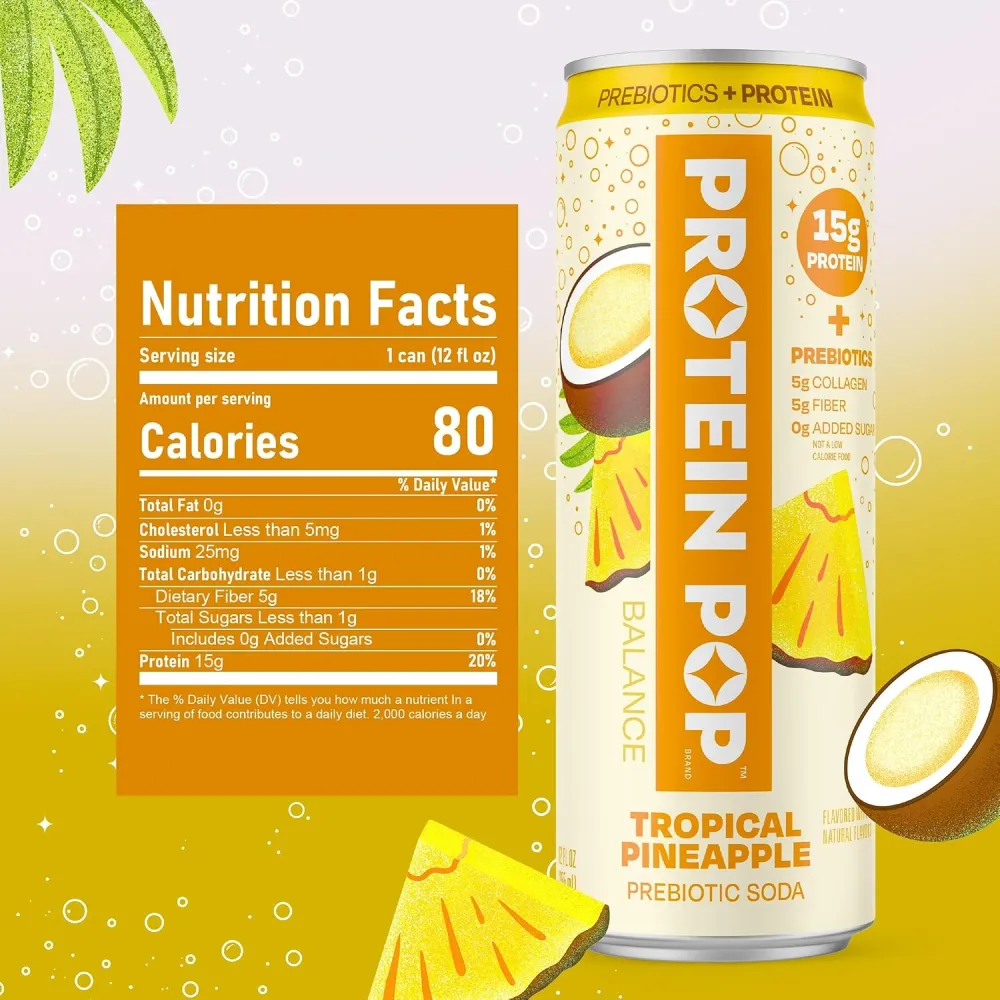
Balance's numbers separate it clearly from the rest of the Protein Pop lineup. It's built to be a light, low-calorie sipper rather than a meal-replacement shake, with a full 5g of fiber packed into an 80-calorie can.
- Calories: 80
- Total Fat: 0g (0% DV)
- Cholesterol: Less than 5mg (1% DV)
- Sodium: 25mg (1% DV)
- Dietary Fiber: 5g (18% DV)
- Total Sugars: Less than 1g
- Added Sugars: 0g (0% DV)
- Protein: 15g (20% DV)
At 80 calories, Balance lands well below both the original Protein Pop and Protein Pop Plus on calorie count, while still hitting a fifth of the daily protein target in one can. The 5g of fiber is the number worth circling here. That's 18% of a day's Dietary Fiber from a beverage that most people will drink without ever thinking about fiber intake.
Lined up against its siblings, the lineup now spans three distinct protein-and-calorie profiles:
- Protein Pop (original): 22g whey protein isolate, non-carbonated, no fiber angle.
- Protein Pop Plus: 30g protein (15g whey protein isolate plus 15g collagen), carbonated.
- Protein Pop Balance: 15g protein (10g whey protein isolate plus 5g collagen), lightly carbonated, plus prebiotics and 5g fiber.
Balance is the lightest protein hit of the three by a wide margin, which is the point. It's not competing with Plus on raw protein grams. It's competing with a fiber-and-protein hybrid label of its own.
Protein Pop Balance Ingredients
Protein Pop's ingredient statement for Balance lists filtered carbonated water, whey protein isolate, chicory root fiber, bovine collagen peptides, natural flavors, citric acid, malic acid, stevia leaf extract (Reb A, Reb M), magnesium acetate, and mushroom extract as a preservative, the building blocks behind the can's 15g of protein and 5g of fiber.
-
Whey Protein Isolate - 10g
Whey protein isolate supplies 10g of Balance's 15g protein total, according to the brand's launch announcement. Isolate is the most filtered form of whey, run through extra processing to strip out most of the lactose and fat that regular whey concentrate carries along with it, which is part of why Protein Pop's cans stay clear instead of turning cloudy like a milk-based shake. Whey isolate is also a complete protein, meaning it supplies all nine essential amino acids the body can't make on its own, including a solid dose of leucine, the amino acid most closely tied to triggering muscle protein synthesis. That combination of high protein density with near-zero carryover fat or sugar is exactly why isolate, not concentrate, shows up in clear protein drinks across the category rather than in traditional creamy shakes.
-
Bovine Collagen Peptides - 5g
Bovine collagen peptides make up the other 5g of protein in the can. Collagen comes from animal connective tissue and gets broken down into smaller peptides so it dissolves cleanly in a beverage instead of gelling like a gummy or bone broth would. Unlike whey, collagen isn't a complete protein on its own since it runs low on a few essential amino acids, but it's unusually rich in glycine and proline, amino acids more associated with skin, joint, and connective tissue support than with building muscle. Pairing collagen with whey isolate is a common move in this exact category (Protein Pop Plus uses the same combination at a much higher dose) since it lets a brand hit a bigger total protein number while broadening the amino acid profile beyond straight whey. In Balance, collagen accounts for a third of the total protein claim, a smaller share of the mix than in Plus's even 15-and-15 split.
-
Prebiotic Fiber - 5g
Prebiotic fiber is the ingredient that separates Balance from the rest of the Protein Pop family. The label lists chicory root fiber as the source behind that fiber count and the can's "gut-happy" positioning, and the Nutrition Facts panel puts total Dietary Fiber at 5g per can. Prebiotic fibers generally pass through the small intestine undigested, then reach the colon where gut bacteria ferment them into short-chain fatty acids, compounds tied to a healthy gut environment. Getting a meaningful fiber dose into a protein drink is a real formulation challenge, since fiber tends to add texture, viscosity, or cloudiness that can clash with a "looks like water" positioning. That makes the 5g figure, 18% of the Daily Value, one of the more interesting numbers on this particular can.
-
Stevia Leaf Extract (Reb A and Reb M)
Stevia leaf extract is how Protein Pop keeps Balance at 0g added sugar without reaching for artificial sweeteners. According to the brand, the sweetener system combines two specific steviol glycosides, Reb A and Reb M, the compounds in the stevia plant responsible for its sweetness. Reb M in particular has gained traction across the beverage world in recent years because it carries less of the bitter, licorice-like aftertaste that older stevia extracts were known for, which lets brands land a cleaner sugar-free profile. Pairing it with Reb A is a common way to balance sweetness intensity against cost, since Reb M is more expensive to produce on its own.
The rest of the label rounds out the formula rather than driving the pitch. Filtered carbonated water forms the base and carbonation, while natural flavors carry the taste. Citric acid and malic acid supply the tartness that keeps a clear, sugar-free soda from tasting flat, and magnesium acetate and mushroom extract, the latter used as a preservative, round out the label. The can also carries an allergen declaration: Contains: whey (milk).
Four Flavors on Day One
Balance launched with a full flavor lineup rather than a single hero flavor: Lime Slush, Tropical Pineapple, Watermelon Lime, and Fruit Punch. That's consistent with how Protein Pop rolled out its original clear whey can, giving shoppers a full shelf presence from the start instead of trickling flavors out over months. The launch shipped through proteinpop.com and Amazon first, with Target and other major retailers picking up distribution shortly after.
- Fruit Punch (12 Cans: $41.99)
- Lime Slush (12 Cans: $41.99)
- Tropical Pineapple (12 Cans: $41.99)
- Watermelon Lime (12 Cans: $41.99)
Who Balance Is Built For
Balance isn't trying to replace the 22g original or the 30g Plus. At 15g of protein and 80 calories, it reads more like a between-meals option for someone who wants a lighter protein hit alongside a fiber boost, rather than a serious post-workout refuel. The no-caffeine, no-gluten profile also opens it up to anytime-of-day drinking, including evenings, in a way a caffeinated functional beverage never could.
- Gut-health-curious protein drinkers: People already reaching for prebiotic sodas who want a can that also moves the needle on daily protein.
- Lighter-protein occasions: Anyone who doesn't want 22-30g of protein in one sitting but still wants more than zero.
Where Balance Lands in the Protein Pop Story
Balance carves out a third lane for Protein Pop rather than rebranding an existing can. The 5g fiber dose is worth paying attention to on its own, and the whey-plus-collagen split gives it a distinct amino acid profile from the rest of the lineup. Anyone drawn to the brand's clear-protein pitch but put off by the bigger protein numbers on the original or Plus has a good reason to give Balance a try.
Follow @BevlabMedia on TikTok and Instagram for more coverage of what's actually in the can.