Product Review
RYSE Protein Shake RTD
Fudgsicle, Vanilla Marshmallow, and 30 grams of protein in every bottle
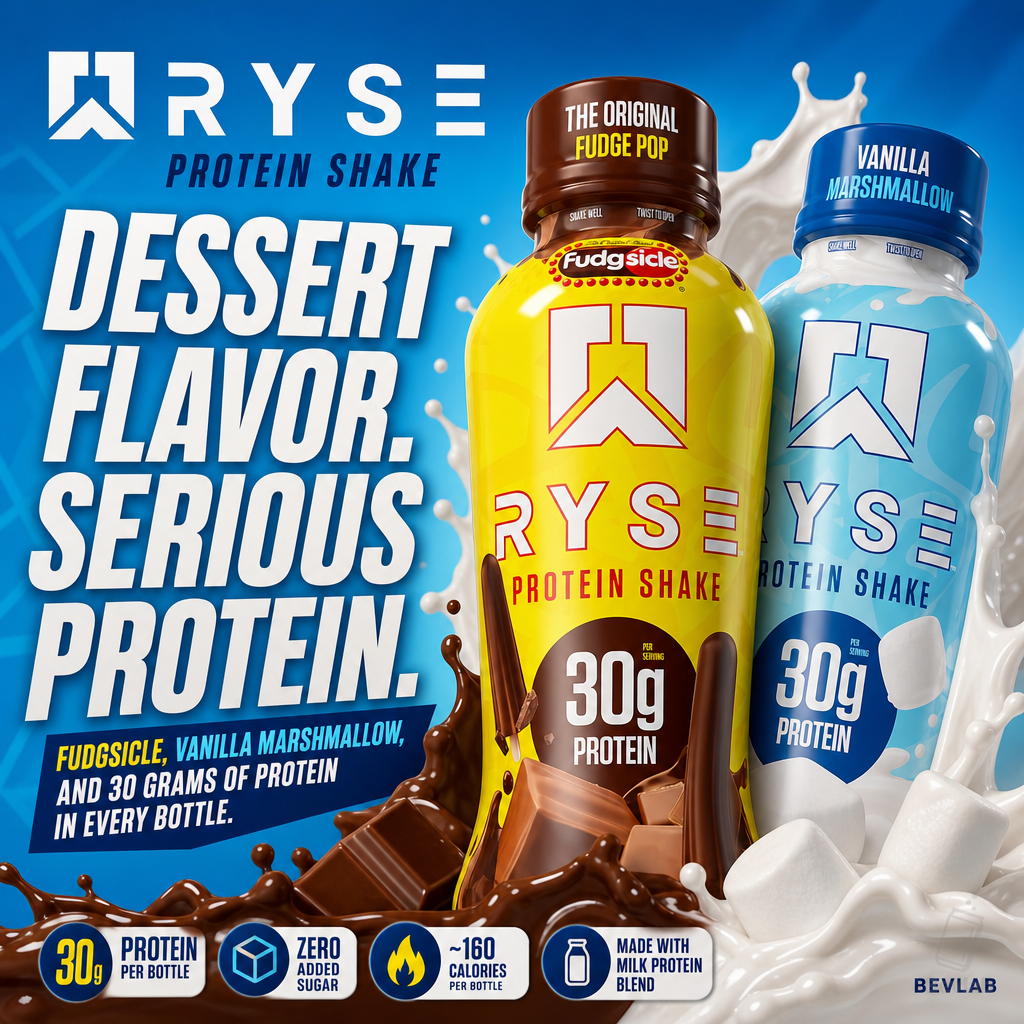
RYSE's famous ready-to-drink protein shake: 30g protein from a milk protein blend, zero added sugar, ~160 calories, and great licensed nostalgic flavors
The Texas brand that's built its name on back-to-back Clash of the Cans wins and licensed collabs like Little Debbie and Skippy has brought that same nostalgic playbook to the protein aisle. RYSE Protein Shake RTD is the brand's ready-to-drink protein shake, and it leans hard into dessert-flavor memory lane with Fudgsicle and Vanilla Marshmallow, while keeping the macros clean: 30g of protein, zero added sugar, and around 160 calories per bottle.
This isn't RYSE's only RTD protein play (the brand also runs a lighter Clear Whey RTD line), but the Loaded Protein Shake is the one built for people who want something closer to an actual milkshake than a watery protein water. That means a milk protein blend instead of straight whey isolate, and a formula built around mouthfeel as much as macros.
Watch Related Videos
Bevlab VideosRYSE Protein Shake RTD Nutrition Facts
Values reflect one 12 fl oz (355mL) Fudgsicle bottle. Flavor-to-flavor variance is typically minor.
- Calories: 160
- Total Fat: 3g
- Saturated Fat: 0.5g
- Cholesterol: 20mg
- Sodium: 240mg
- Total Carbohydrate: 5g
- Dietary Fiber: 1g
- Total Sugars: 2g
- Added Sugars: 0g
- Protein: 30g
- Vitamin D: 0.2mcg (2% DV)
- Calcium: 640mg (50% DV)
- Iron: 1.6mg (10% DV)
- Potassium: 590mg (15% DV)
RYSE Protein Shake RTD Ingredients
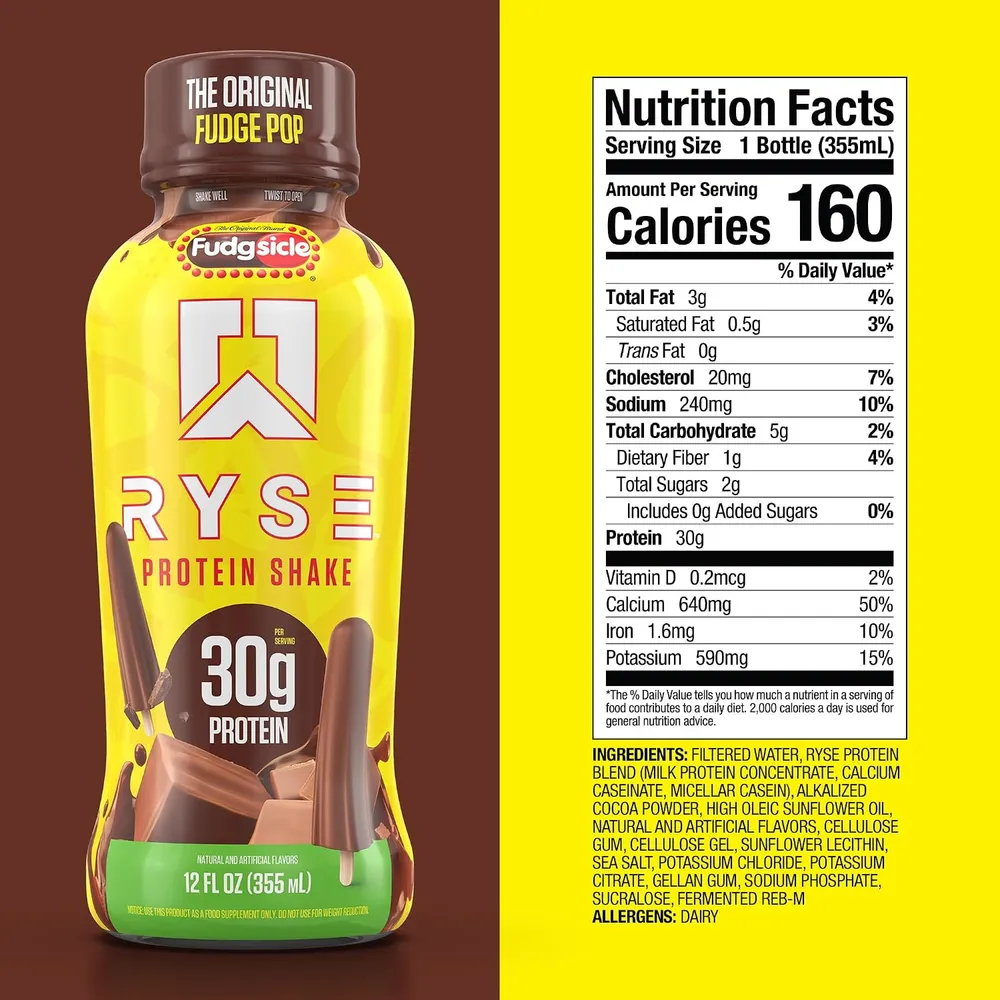
RYSE doesn't disclose individual milligram amounts for most of the functional ingredients in this formula. The label declares 30g total protein per bottle and the Nutrition Facts values above, but the surrounding ingredient list (from the "RYSE Protein Blend" down to the sweeteners) is presented without per-ingredient doses. Here's what each one is doing in the can.
-
Milk Protein
Milk Protein, shown on the label as milk protein concentrate, is the backbone of the 30g protein claim on this bottle. It carries milk's native mix of roughly 80% casein and 20% whey, which gives it a complete essential amino acid profile including all three branched-chain aminos.[1] That blended digestion profile is actually part of the appeal: research comparing whey, casein, and milk protein after exercise found milk protein produced an intermediate but notably high peak in muscle protein synthesis, sitting between whey's fast early spike and casein's slower, more drawn-out release.[2]
-
Casein Protein
Casein Protein shows up here as both calcium caseinate and micellar casein, the two forms that round out the RYSE Protein Blend alongside milk protein concentrate. Casein's defining trait is what happens to it in your stomach: it clots in the acidic gastric environment, which slows its digestion dramatically compared to whey and produces a longer, steadier release of amino acids into your bloodstream instead of a quick spike.[3] That slow-release behavior is well documented in tracer studies showing casein promotes sustained postprandial protein retention over several hours.[4]
-
Water
Water is the base of the shake and the medium everything else is suspended in. It sounds like filler, but water is doing real chemical work here too. Research on its biological role has found that it's involved in an outsized share of the reactions happening inside living cells, functioning more like an active participant in metabolism than an inert carrier.[5] In a protein RTD specifically, water is what allows the milk protein blend to hydrate properly and carry the thickeners, oils, and flavors into a pourable, drinkable shake instead of a paste.
-
High Oleic Sunflower Oil
High Oleic Sunflower Oil is the fat source responsible for a lot of this shake's rich, milkshake-like mouthfeel. It's a MUFA-rich (monounsaturated fatty acid) variant of standard sunflower oil, meaning it's higher in oleic acid and lower in polyunsaturated fat than the sunflower oil you'd find in a typical bottle of cooking oil. That composition matters for more than texture. Controlled feeding studies that swap saturated fat sources like palm oil for high oleic sunflower oil have generally found lower total and LDL cholesterol as a result.[6] That's a dietary-substitution effect tied to what the oil replaces, not a standalone benefit of the oil itself, but it does mean RYSE picked a fat source with a track record of a favorable lipid profile rather than defaulting to something more saturated.
-
Natural & Artificial Flavors
Natural & Artificial Flavors are how RYSE pulls off the Fudgsicle and Vanilla Marshmallow flavor targets. Despite what the names imply, natural and artificial flavors are frequently the same molecules chemically. The difference is sourcing, not safety or structure, and both categories go through the same FDA and FEMA GRAS review process before they land in a can.[7] Consumer research consistently shows people rate "natural flavor" labeling as more trustworthy than "artificial,"[8] which is part of why you'll see brands lean on the natural half of that label pairing even when the flavor system uses both.
-
Cellulose Gum
Cellulose Gum, also known as carboxymethyl cellulose (CMC), is a thickener that helps this shake hold its viscosity and stay smooth instead of separating in the bottle. In directly acidified protein drink research, CMC concentration is one of the biggest levers for perceived viscosity, smoothness, and mouth-coating, more so than flavor changes themselves.[9] It works by adsorbing onto protein particles and adding body to the liquid phase around them, and its performance depends heavily on the specific grade and concentration used.[10] That's exactly why formulators treat it as a precision tool rather than a one-size-fits-all thickener.
-
Microcrystalline Cellulose
Microcrystalline Cellulose (also labeled cellulose gel) is a purified, insoluble form of cellulose that works alongside cellulose gum to keep the shake's texture stable over its shelf life. It's a distinct ingredient from cellulose gum, not a duplicate, and food formulation research on high-protein beverages has found it can outperform other stabilizers like carrageenan for physical stability during storage.[11] Beyond dairy and protein drinks, it's used across food categories from emulsions to bakery fillings, with its exact functional behavior depending on particle size and processing.[12]
-
Sunflower Lecithin
Sunflower Lecithin is the emulsifier keeping the oil, protein, and water phases of this shake from separating into layers. It's a soy-free alternative to the more common soy lecithin, which matters for anyone avoiding soy allergens. Mechanistically, lecithin binds to exposed hydrophobic patches on heat-processed milk proteins, which helps prevent the protein aggregation that would otherwise thicken or curdle a shelf-stable RTD during pasteurization or UHT processing.[13] Emulsifying-property research on modified sunflower lecithins has also shown that the specific processing of the lecithin (native versus hydrolyzed) changes how effective it is at this job.[14]
-
Sea Salt
Sea Salt shows up in almost every dessert-flavored protein shake, and it's not there for sodium content alone. Sodium salts have a documented ability to suppress bitterness in mixed-taste foods, sometimes making the sweetness in the same product taste more pronounced by releasing it from bitterness-driven suppression.[15] In a fudge or marshmallow flavored shake built on a protein base that can carry some bitter notes, a small amount of salt is doing real flavor-balancing work rather than just adding to the sodium line on the label.
-
Potassium (as Potassium Chloride)
Potassium lands at 590mg per bottle, or 15% of the daily value, some of which comes from the potassium chloride added to the formula and some of which occurs naturally in the milk protein blend. Potassium is one of the most under-consumed minerals in the American diet, with most adults falling well short of the 4,700mg daily intake historically recommended.[16] It's also a component of the broader sodium-to-potassium ratio that shows up repeatedly in cardiovascular research as a stronger predictor of blood pressure than sodium intake alone.[17] A protein shake isn't going to close that gap on its own, but every bit helps.
-
Gellan Gum
Gellan Gum is a suspending agent that keeps the shake's texture even and prevents settling in the bottle. It's produced by fermenting a carbohydrate substrate with a specific bacterial strain, and it's been reviewed extensively by EFSA, which concluded there's no safety concern at typical food-additive use levels and that the ingredient passes through the gut largely unfermented.[18] Gellan gum has also picked up attention for a glycemic-lowering effect when cooked directly into starchy foods like rice, but that effect required concentrations far higher than what's used for suspension in a beverage like this one, so it's fair to treat gellan gum here as a texture ingredient rather than a functional one.
-
Sodium Phosphate
Sodium Phosphate (commercial versions are typically sodium hexametaphosphate) is a calcium-chelating agent that helps keep a milk-protein-heavy RTD from clumping or sedimenting over its shelf life. By binding calcium ions, it loosens up the casein micelle structure just enough to slow down the protein-protein aggregation that would otherwise show up as graininess or separation.[19] Among the calcium chelators used in protein beverage formulation, this class of ingredient has shown some of the strongest reductions in turbidity and improvements in heat stability during processing.[20]
-
Sucralose
Sucralose is the primary sweetener responsible for this shake hitting zero added sugar without giving up the Fudgsicle-level sweetness. It's roughly 600 times sweeter than table sugar and is approved as a food additive across essentially every major regulatory market, including a 2025 EFSA re-evaluation that confirmed its existing acceptable daily intake didn't need to change.[21] Some human research has raised questions about sucralose's effect on insulin sensitivity at daily intakes well above what you'd get from a single protein shake,[22] which is worth knowing if you're drinking several sweetened products a day, though it isn't a concern tied to occasional use of a product like this one.
-
Rebaudioside M (Fermented Reb-M)
Rebaudioside M, listed here as fermented Reb-M, is a steviol glycoside from the stevia plant and one of the cleaner-tasting members of that sweetener family. Unlike more common stevia extracts, Reb M carries extra glucose units at both ends of its structure, which sterically blocks it from triggering bitter taste receptors while still hitting the sweet ones hard.[23] Because Reb M occurs in stevia leaves only in trace amounts, essentially all commercial supply (including the fermented version used here) comes from engineered fermentation or enzymatic conversion rather than direct leaf extraction, a production route EFSA has separately reviewed and cleared for use.[24]
-
Vitamins and Minerals
-
Vitamin D - 0.2mcg (2% DV)
A small, naturally occurring amount from the dairy protein blend rather than an added fortification target. It's not a meaningful contributor to daily Vitamin D needs on its own.
-
Calcium - 640mg (50% DV)
This is one of the more notable numbers on the label. Half your daily calcium in one bottle is a direct result of using a milk-protein-heavy blend (casein in particular binds calcium as part of its natural micelle structure) rather than an isolated whey-based formula.
-
Iron - 1.6mg (10% DV)
A modest contribution, likely coming from a combination of the dairy protein blend and the cocoa used in the Fudgsicle flavor specifically. Not a primary reason to reach for this product, but a reasonable bonus.
-
-
Other Ingredients
- Alkalized Cocoa Powder - The Fudgsicle flavor's cocoa base, providing the chocolate color and flavor foundation this variant is built around. This ingredient is specific to the Fudgsicle flavor and wouldn't appear in Vanilla Marshmallow.
Flavors Available
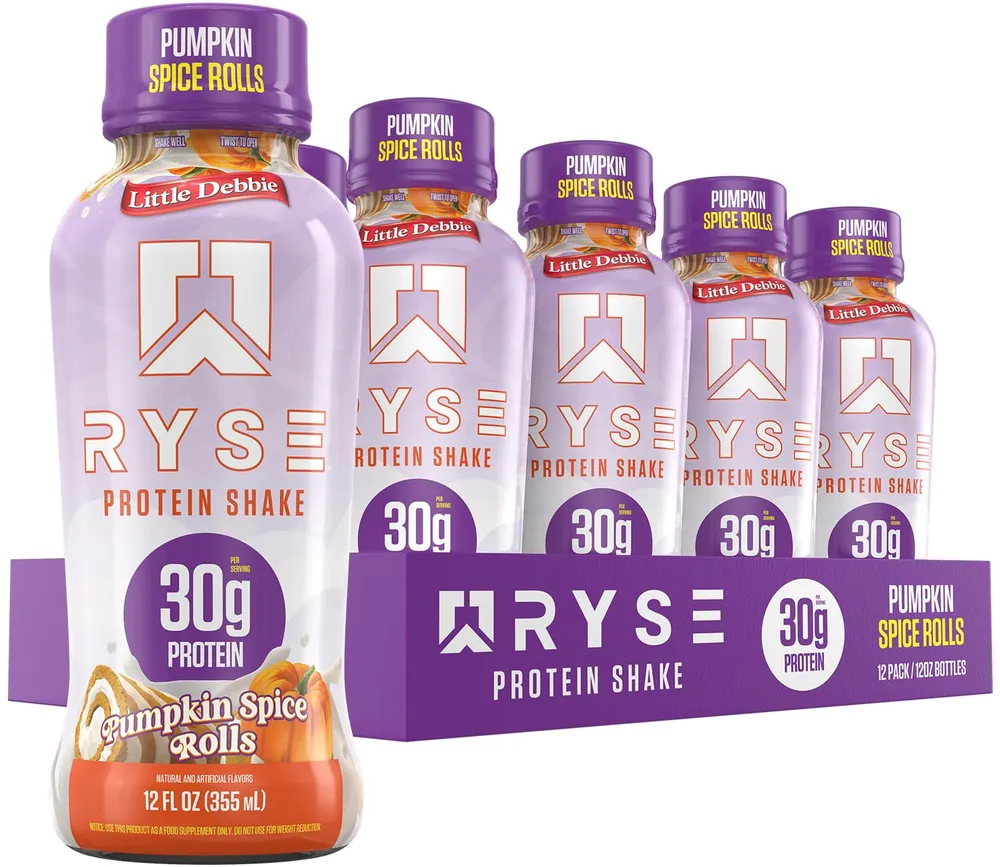
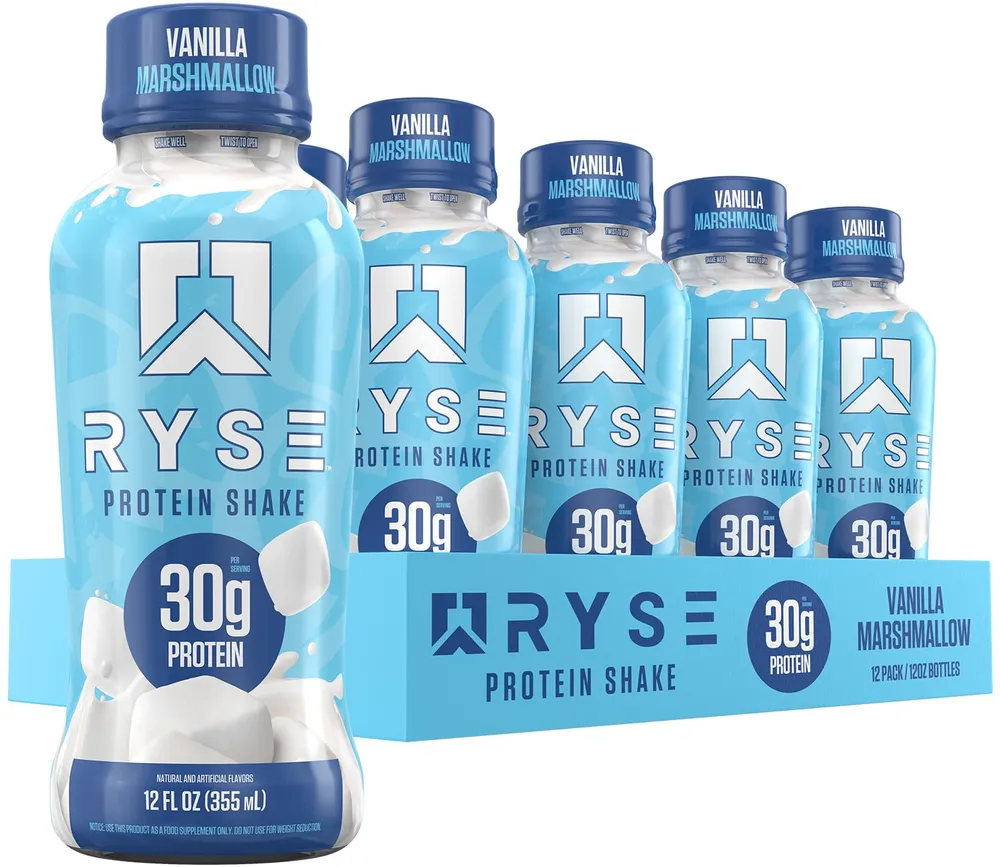
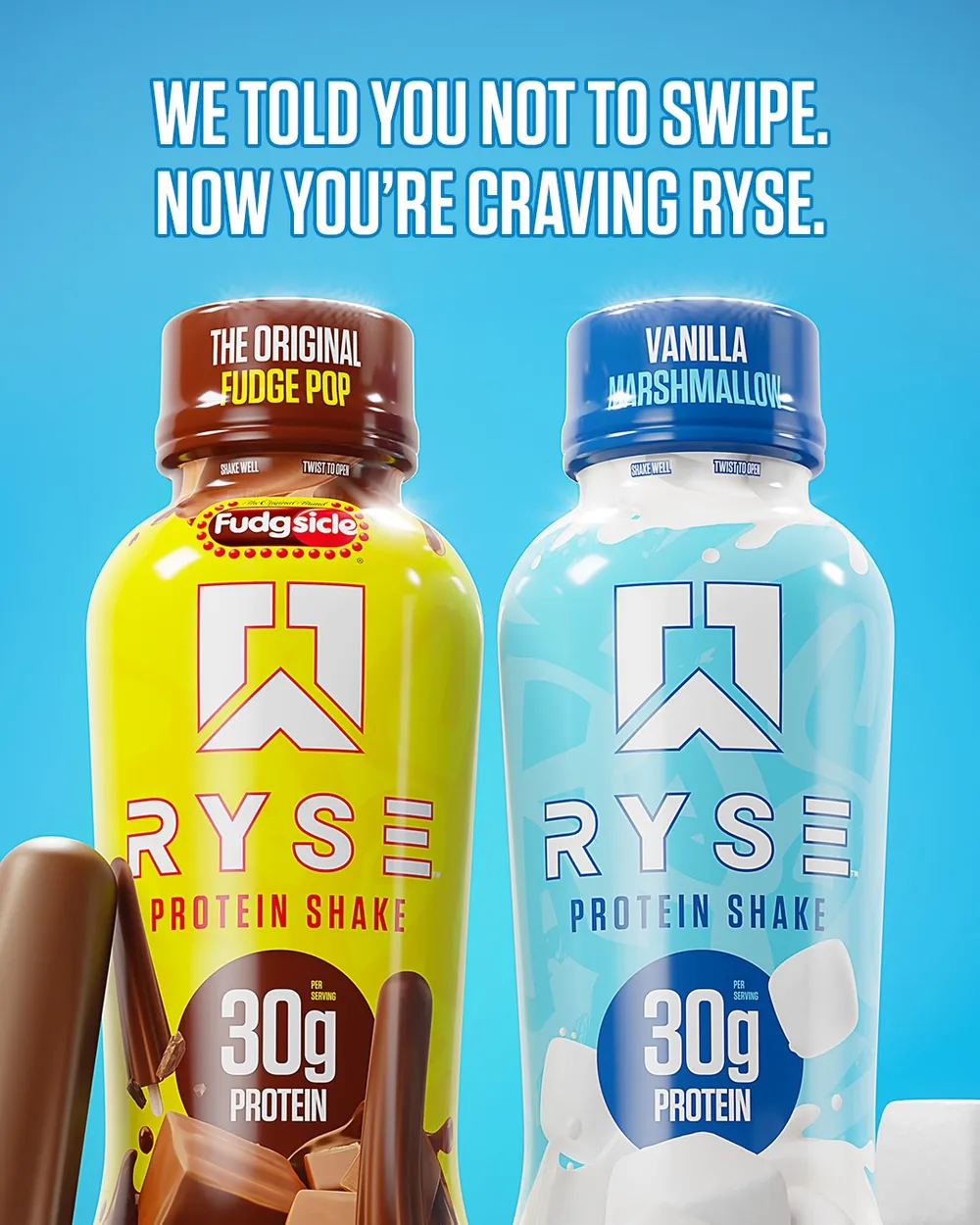
RYSE currently runs this RTD line in two flavors: Fudgsicle, a rich chocolate shake built to taste like the classic frozen pop, and Vanilla Marshmallow, a creamy vanilla base with fluffy marshmallow sweetness layered in. Both share the same 30g protein, zero added sugar positioning, with the flavor system and cocoa content being the main formula differences between them.
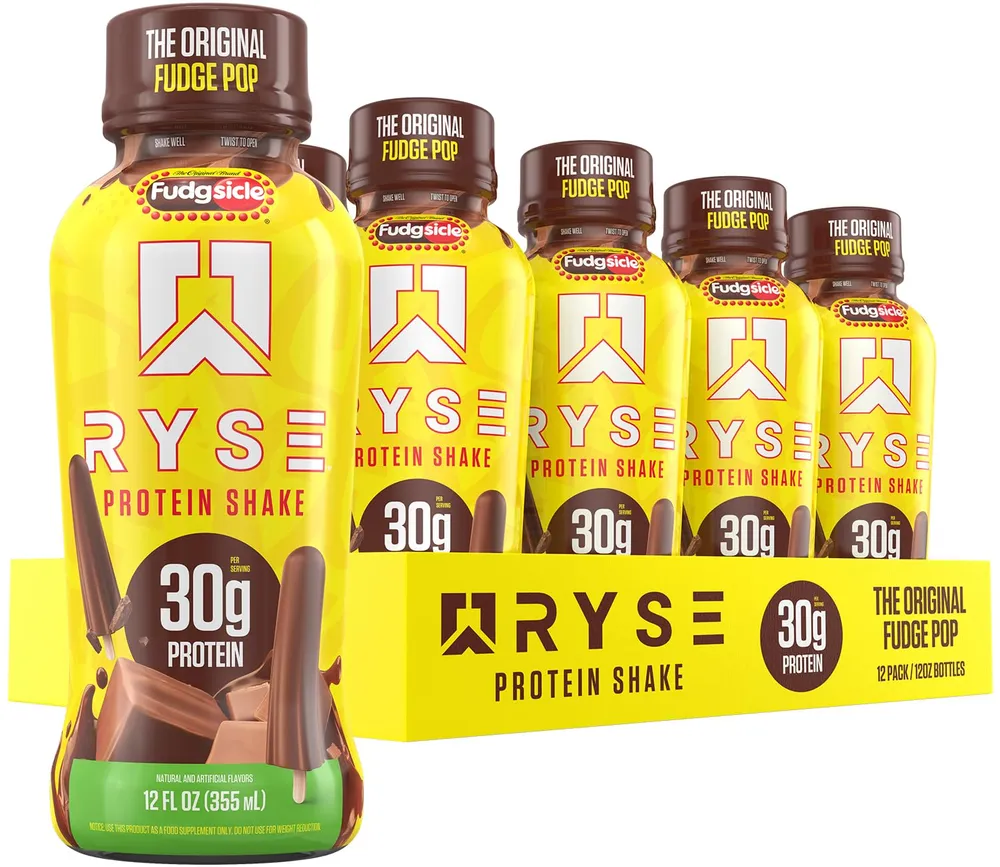
- Fudgsicle (The Original Fudge Pop) (12 Bottles: $38.99)
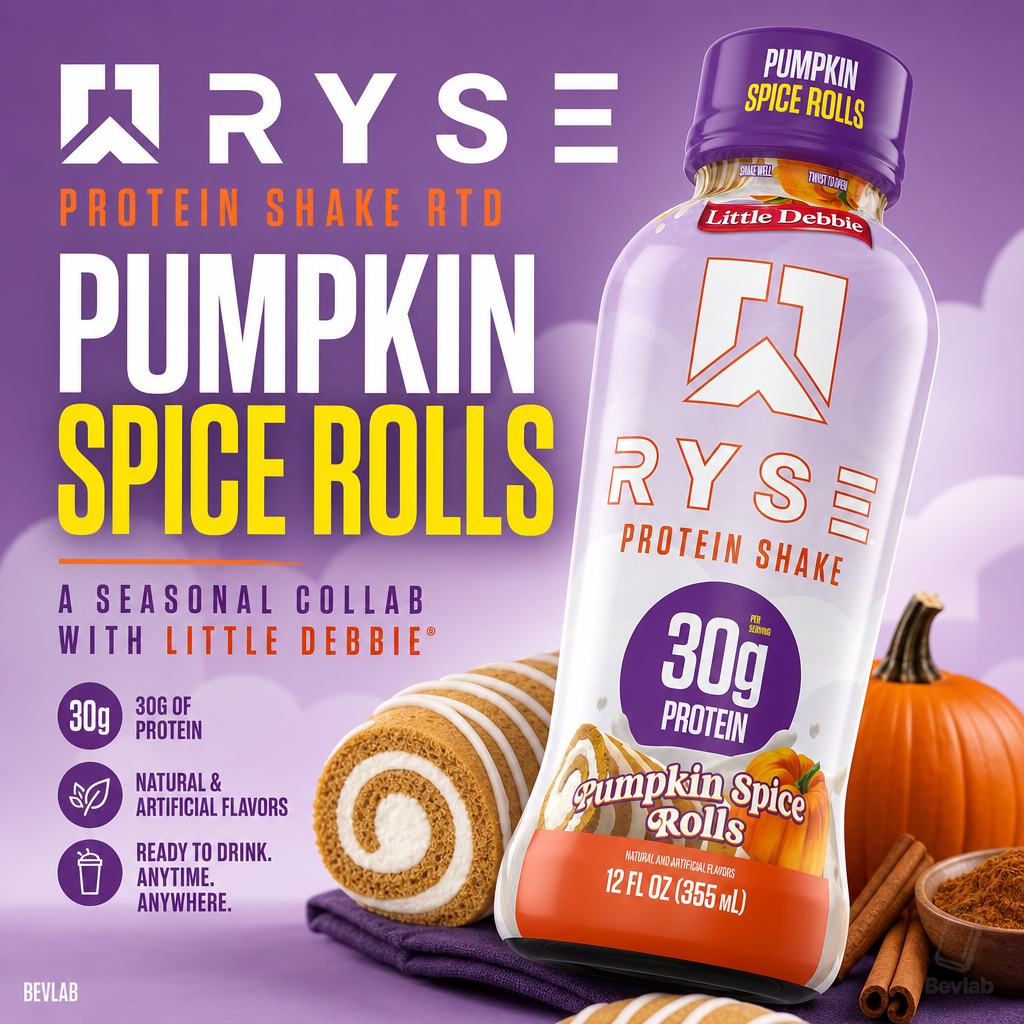
- Little Debbie Pumpkin Spice Rolls (12 Bottles: $38.99)
- Vanilla Marshmallow (12 Bottles: $38.99)
Who It's For
- Dessert cravers who still want their macros in check: if you're chasing a chocolate shake feeling without blowing your sugar budget, this is squarely built for you.
- Anyone tired of thin, watery protein RTDs: the milk protein blend and fat content here are doing real work to make this drink taste and feel like an actual shake, not a protein water with a milkshake label on it.
A Shake That Actually Tastes Like Dessert
RYSE built its reputation on nostalgic flavor licensing, and this shake proves the formula backs that reputation up without a licensed name on the label. The milk protein and casein blend delivers real shake texture, the sweetener stack holds sugar at zero without an odd aftertaste, and 30g of protein at 160 calories makes this one of the stronger dessert-flavored protein options in the category.
More Related Videos
Bevlab VideosFlavor Review
Product Review
REELS
References
- Goulding, D.A. et al. "Milk proteins: An overview." Milk Proteins, 2020. https://doi.org/10.1016/B978-0-12-815251-5.00002-5
- Kanda, Atsushi, et al. "Effects of Whey, Caseinate, or Milk Protein Ingestion on Muscle Protein Synthesis after Exercise." Nutrients, 2016. https://doi.org/10.3390/nu8060339
- Boirie, Y, et al. "Slow and fast dietary proteins differently modulate postprandial protein accretion." Proceedings of the National Academy of Sciences of the United States of America, 1997. https://doi.org/10.1073/pnas.94.26.14930
- Dangin, M, et al. "The digestion rate of protein is an independent regulating factor of postprandial protein retention." American journal of physiology. Endocrinology and metabolism, 2001. https://doi.org/10.1152/ajpendo.2001.280.2.E340
- Frenkel-Pinter, Moran, et al. "Water and Life: The Medium is the Message." Journal of molecular evolution, 2021. https://doi.org/10.1007/s00239-020-09978-6
- Cater, N B, et al. "Comparison of the effects of medium-chain triacylglycerols, palm oil, and high oleic acid sunflower oil on plasma triacylglycerol fatty acids and lipid and lipoprotein concentrations in humans." The American journal of clinical nutrition, 1997. https://doi.org/10.1093/ajcn/65.1.41
- Singh, Nidhi, et al. "Natural food flavours: a healthier alternative for bakery industry-a review." Journal of food science and technology, 2024. https://doi.org/10.1007/s13197-023-05782-4
- Murley, Tyler, et al. "The Influence of Colorants, Flavorants and Product Identity on Perceptions of Naturalness." Foods (Basel, Switzerland), 2019. https://doi.org/10.3390/foods8080317
- Liu, Jing, et al. "Stabilization of directly acidified protein drinks by single and mixed hydrocolloids-combining particle size, rheology, tribology, and sensory data." Food science & nutrition, 2020. https://doi.org/10.1002/fsn3.1933
- Rahman, Md Saifur, et al. "Recent Developments of Carboxymethyl Cellulose." Polymers, 2021. https://doi.org/10.3390/polym13081345
- Li, Jiaxin, et al. "Enhancing Stability of Vitamin-Fortified Protein Beverages: Optimization of Stabilizer Type and Concentration and Screening of Natural Antioxidant Combinations." Foods (Basel, Switzerland), 2026. https://doi.org/10.3390/foods15081392
- Nsor-Atindana, John, et al. "Functionality and nutritional aspects of microcrystalline cellulose in food." Carbohydrate polymers, 2017. https://doi.org/10.1016/j.carbpol.2017.04.021
- McSweeney, Seamus L. et al. "Effect of lecithin and monoglycerides on the heat stability of a model infant formula emulsion." Food Hydrocolloids, 2008. https://doi.org/10.1016/j.foodhyd.2007.04.017
- Cabezas, D. M. et al. "Emulsifying Properties of Different Modified Sunflower Lecithins." Journal of the American Oil Chemists' Society, 2012. https://doi.org/10.1007/s11746-011-1915-8
- Breslin, P A, et al. "Salt enhances flavour by suppressing bitterness." Nature, 1997. https://doi.org/10.1038/42388
- Weaver, Connie M. "Potassium and health." Advances in nutrition (Bethesda, Md.), 2013. https://doi.org/10.3945/an.112.003533
- He, Feng J, et al. "Beneficial effects of potassium on human health." Physiologia plantarum, 2008. https://doi.org/10.1111/j.1399-3054.2007.01033.x
- EFSA, Panel on Food Additives and Nutrient Sources added to Food (ANS), et al. "Re-evaluation of gellan gum (E 418) as food additive." EFSA journal. European Food Safety Authority, 2018. https://doi.org/10.2903/j.efsa.2018.5296
- Zaitoun, Baheeja J, et al. "The Influence of Sodium Hexametaphosphate Chain Length on the Physicochemical Properties of High-Milk Protein Dispersions." Foods (Basel, Switzerland), 2024. https://doi.org/10.3390/foods13091383
- Choi, Inseob, et al. "Physicochemical properties of skim milk powder dispersions prepared with calcium-chelating sodium tripolyphosphate, trisodium citrate, and sodium hexametaphosphate." Journal of dairy science, 2020. https://doi.org/10.3168/jds.2020-18644
- EFSA, Panel on Food Additives and Flavourings (FAF), et al. "Re-evaluation of sucralose (E 955) as a food additive and evaluation of a new application on extension of use of sucralose (E 955) in fine bakery wares." EFSA journal. European Food Safety Authority, 2026. https://doi.org/10.2903/j.efsa.2026.9854
- Romo-Romo, Alonso, et al. "Sucralose decreases insulin sensitivity in healthy subjects: a randomized controlled trial." The American journal of clinical nutrition, 2018. https://doi.org/10.1093/ajcn/nqy152
- Jiang, Liangzhen, et al. "A Comprehensive Review on Steviol Glycosides: Sources, Properties, Bioactivities, Sensory-Functional Enhancement and Bioproduction Strategies." Plants (Basel, Switzerland), 2026. https://doi.org/10.3390/plants15020324
- EFSA, Panel on Food Additives and Flavourings (FAF), et al. "Safety evaluation of the food additive steviol glycosides, predominantly Rebaudioside M, produced by fermentation using Yarrowia lipolyticaVRM." EFSA journal. European Food Safety Authority, 2023. https://doi.org/10.2903/j.efsa.2023.8387
Tagged