Trumpdrive Energy: A Space-Inspired Energy Drink
SpaceBev X's nootropic Enny is more formula than flash -- but that formula is worth talking about
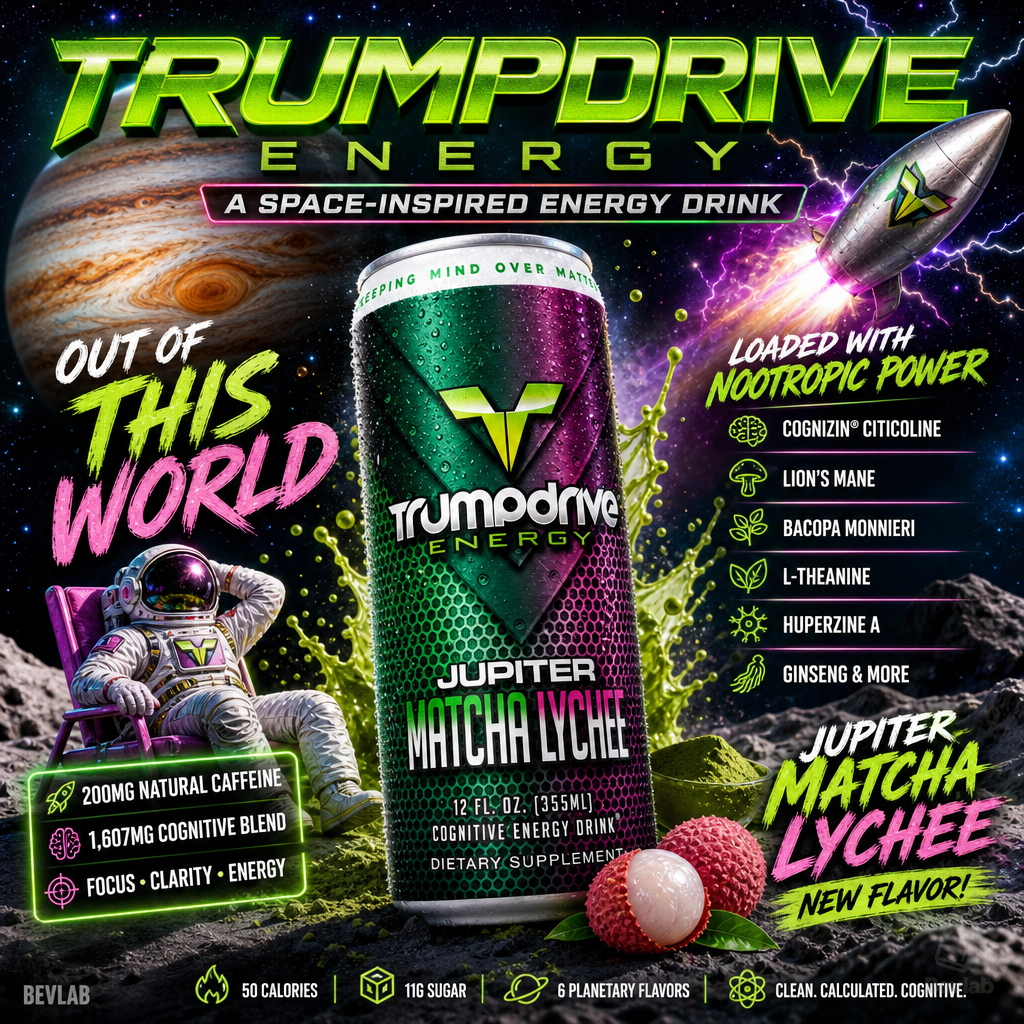
Trumpdrive Energy packs 200mg natural caffeine, Cognizin citicoline, Lion's Mane, Bacopa, and a serious nootropic stack into a 12 fl oz can. Here's what's inside.
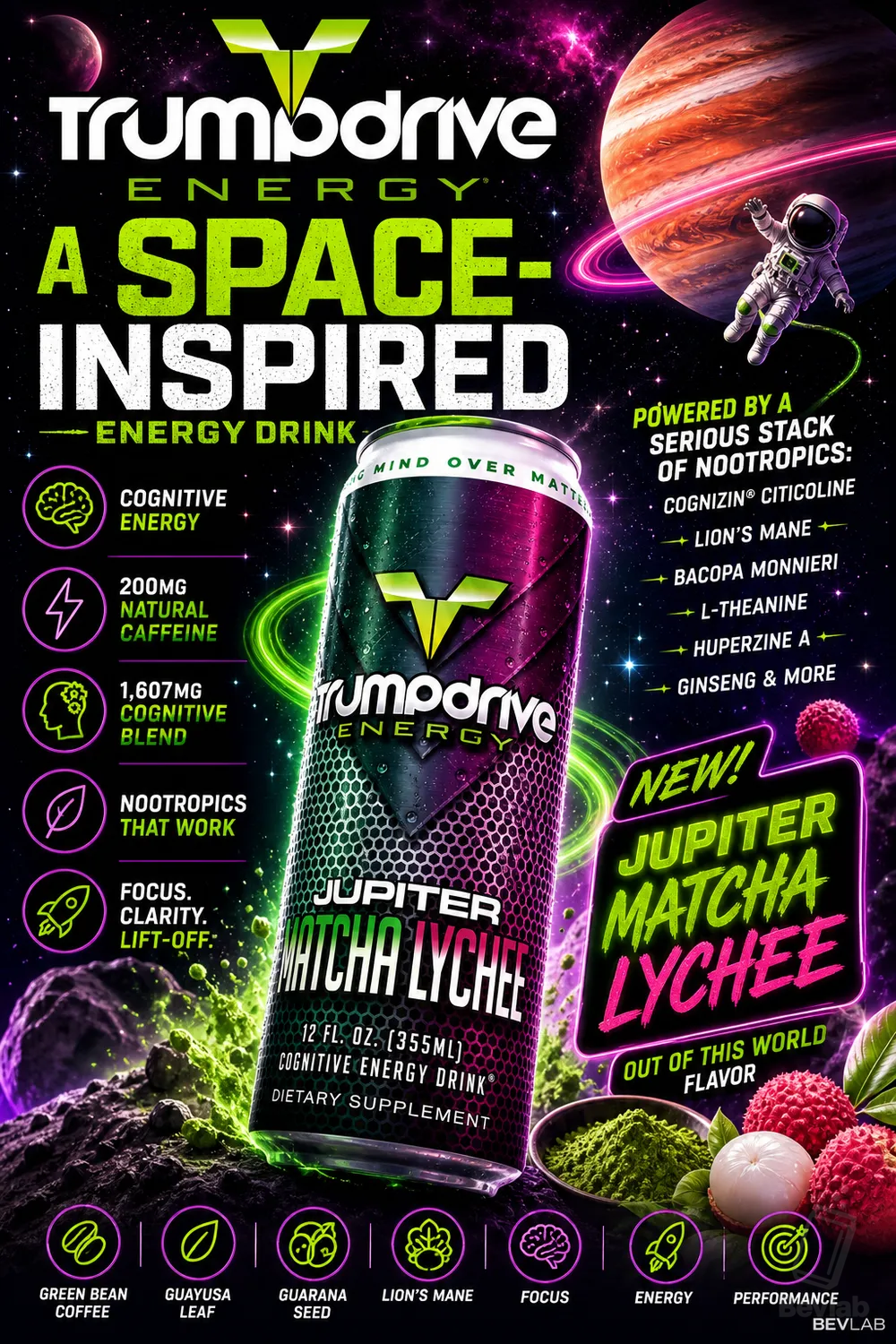
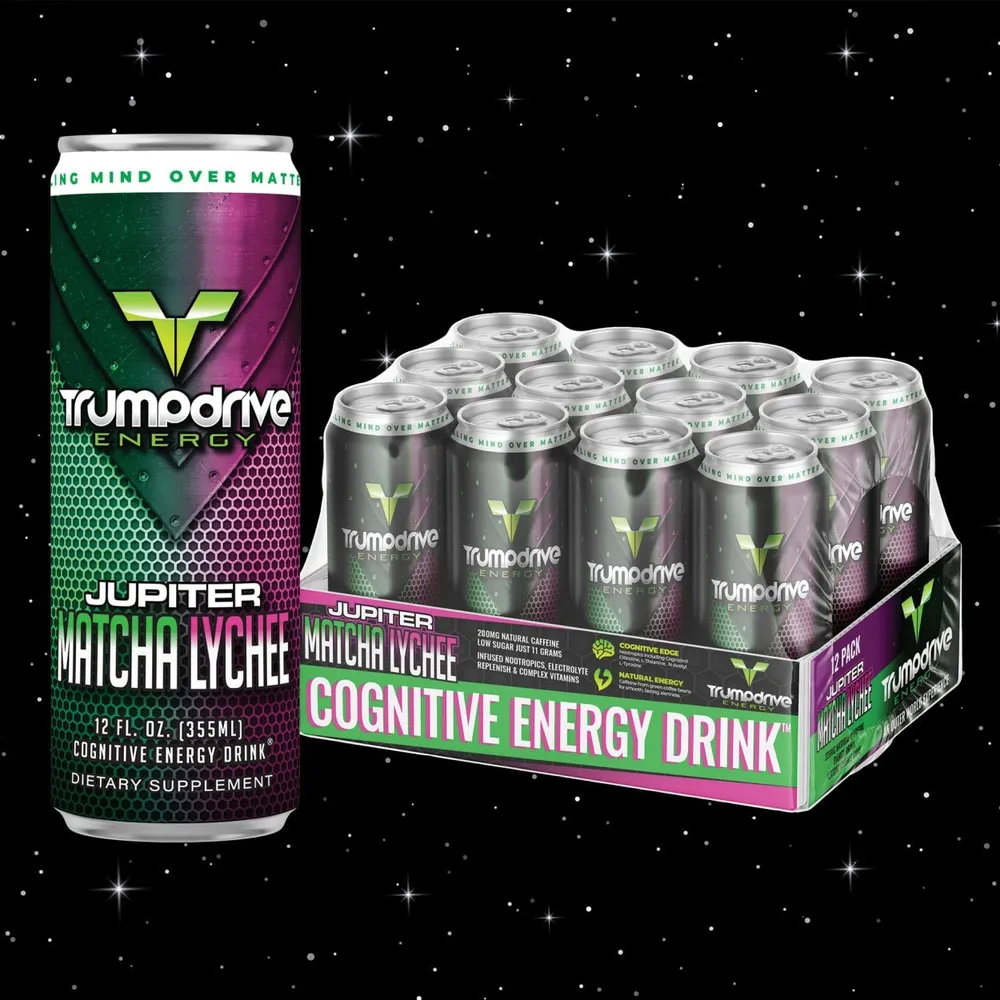
Trumpdrive Energy is a self-described Cognitive Energy Drink from SpaceBev X, a Boca Raton-based beverage development company that also runs white-label production for other brands. The flagship product comes in six planetary flavors and just launched its newest -- Jupiter Matcha Lychee -- for July 4, 2026. If you read that flavor name and thought "finally, someone is doing matcha-lychee in an energy drink," that instinct is correct: no cognitive energy drink has brought the two together until now, and both markets are on a serious growth trajectory. But flavor innovation is easy to claim. The real story here is the formula.
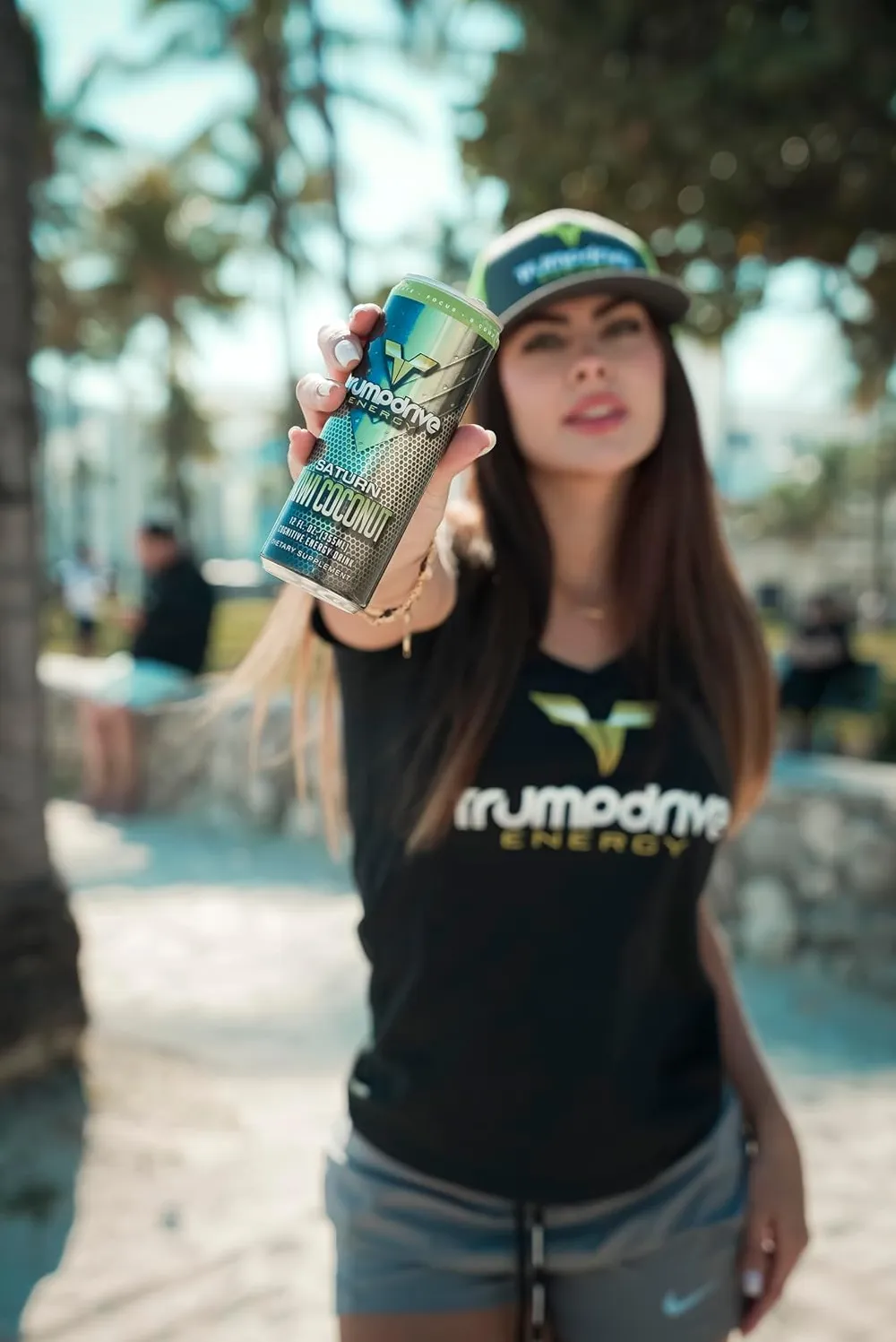
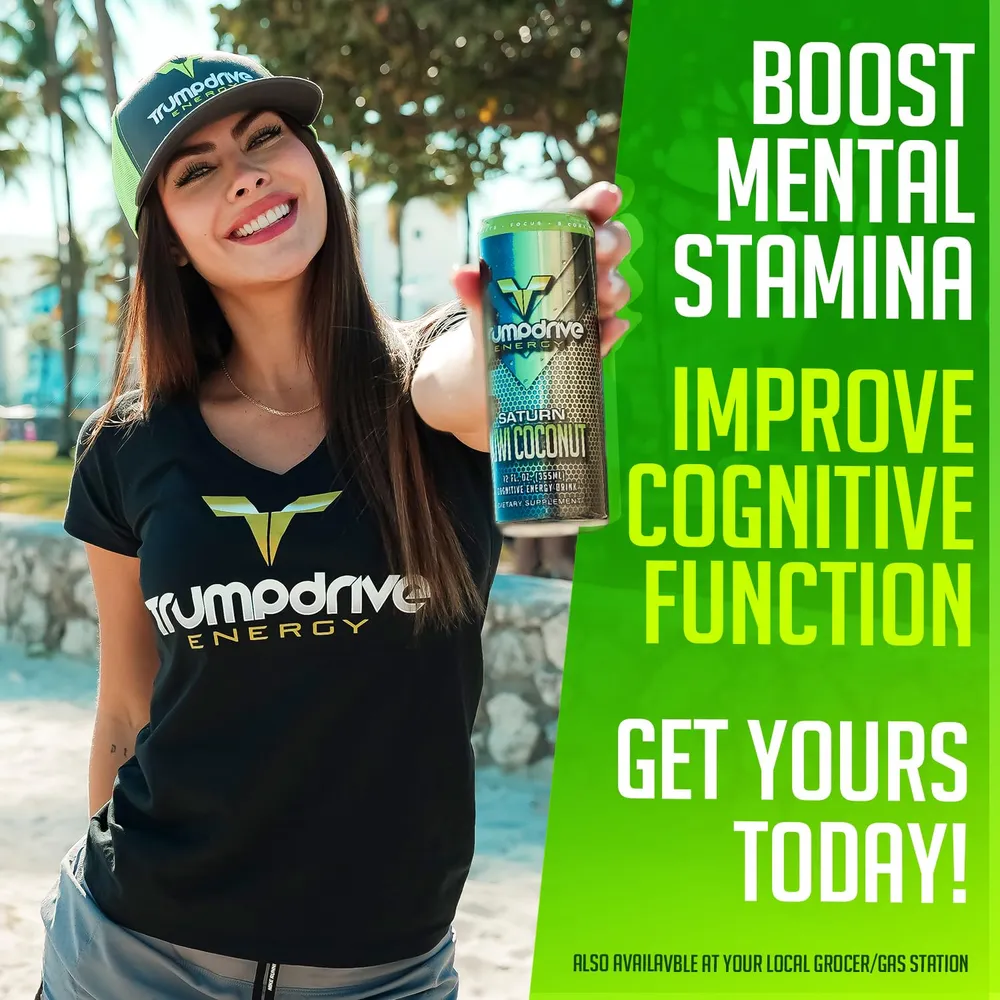
At 200mg of plant-based caffeine and a 1,607mg Cognitive Blend that reaches deep into nootropic territory -- Cognizin citicoline, Lion's Mane, Bacopa Monnieri, L-theanine, Huperzine A, Ginseng, and more -- this is not a Red Bull knockoff with a coat of paint. It's a genuinely ambitious nootropic stack compressed into a 12 fl oz can with 50 calories and 11 grams of sugar. Whether the doses back up the positioning is the question worth asking.
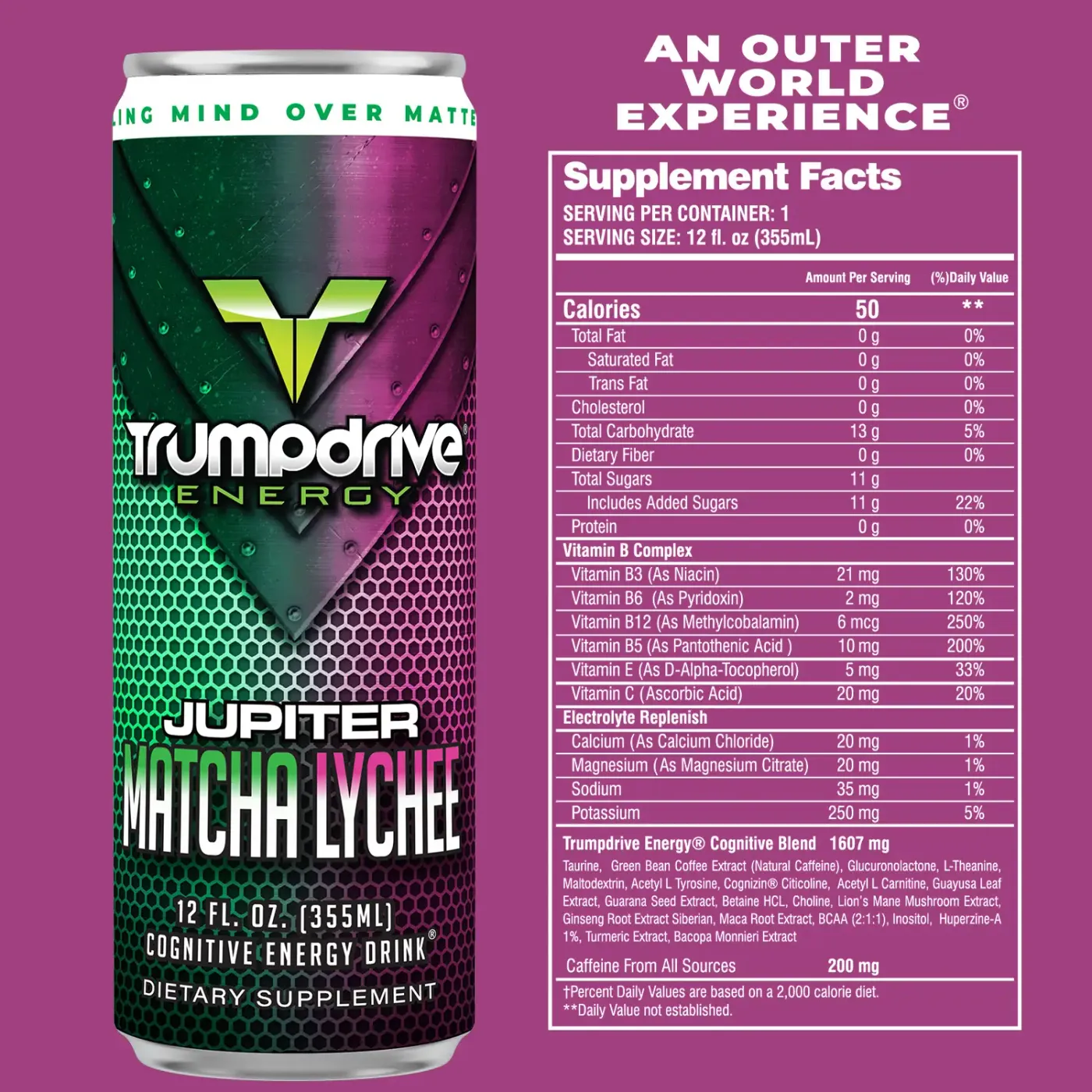
Trumpdrive Energy Nutrition Facts
- Calories: 50
- Total Fat: 0g
- Total Carbohydrate: 13g
- Total Sugars: 11g
- Added Sugars: 11g (22% DV)
- Protein: 0g
- Vitamin B3 (Niacin): 21mg (130% DV)
- Vitamin B6 (Pyridoxine): 2mg (120% DV)
- Vitamin B12 (Methylcobalamin): 6mcg (250% DV)
- Vitamin B5 (Pantothenic Acid): 10mg (200% DV)
- Vitamin E (D-Alpha-Tocopherol): 5mg (33% DV)
- Vitamin C (Ascorbic Acid): 20mg (20% DV)
- Calcium (Calcium Chloride): 20mg (1% DV)
- Magnesium (Magnesium Citrate): 20mg (1% DV)
- Sodium: 35mg (1% DV)
- Potassium: 250mg (5% DV)
- Trumpdrive Energy Cognitive Blend: 1,607mg
Trumpdrive Energy Ingredients
Each 12 fl oz (355mL) serving provides the following key actives:
-
Caffeine From All Sources -- 200mg
Caffeine is the engine under everything else in this can. The 200mg comes from natural plant sources -- Green Bean Coffee Extract, Guayusa Leaf Extract, and Guarana Seed Extract -- rather than synthetic anhydrous caffeine. That distinction matters more for positioning than pharmacology, since the body processes them identically, but the botanical sourcing does mean you're getting co-occurring compounds alongside the caffeine itself.
The mechanism is well understood: caffeine blocks the signal in your brain that tells you you're tired [1], which gives stimulatory neurotransmitters like dopamine and norepinephrine more room to run [2]. The 200mg dose sits in the middle of what research consistently identifies as the effective range for cognitive performance and sustained alertness. A comprehensive review found that 32-300mg reliably improves reaction time, vigilance, and sustained attention [2], and 200mg is broadly safe and well-tolerated for healthy adults [3].
The matcha angle in Jupiter Matcha Lychee adds a second natural source of L-theanine alongside the supplemental L-theanine already in the Cognitive Blend -- a deliberate choice, according to the brand, for a smoother cognitive lift.
-
Taurine
Taurine is one of the most abundant free amino acids in your body, found in high concentrations in skeletal muscle, heart tissue, and brain [4]. The label doesn't disclose the dose.
Its primary role here is supporting mitochondrial function and reducing exercise-induced oxidative stress [5]. It also modulates calcium handling in muscle fibers, which contributes to force production and delayed fatigue [6]. When paired with caffeine, the combination tends to produce cleaner cognitive performance than caffeine alone -- research found that caffeine plus taurine co-supplementation produced credible improvements in anaerobic capacity and reaction time versus either agent alone [7]. Without a disclosed dose, it's impossible to know whether Trumpdrive's taurine inclusion is meaningful or cosmetic.
-
Glucuronolactone
Glucuronolactone is a naturally occurring compound produced during normal glucose metabolism. Its primary downstream function involves supporting the body's ability to eliminate compounds it's already tagged for removal [8]. In an anti-fatigue context, early animal research found glucuronolactone extended endurance and helped maintain blood glucose and liver glycogen under exercise stress [9]. Human evidence specific to glucuronolactone is thin, but multi-ingredient combinations including it have shown cognitive and performance benefits in human trials [10]. The dose is undisclosed.
-
L-Theanine
L-theanine is the amino acid that separates smooth energy from jittery energy. Found naturally in tea leaves, it promotes the relaxed-focus state within roughly 40 minutes of ingestion [11]. In combination with caffeine -- exactly how it appears here -- the evidence for improved attention and reduced perceived stress is solid. A systematic review found that caffeine plus L-theanine significantly improved alertness ratings and attentional switching accuracy versus placebo, with effects visible within the first two hours [12].
L-theanine dampens caffeine's edge without blunting the focus [13], and research in healthy adults found that 200mg/day over four weeks improved verbal fluency and reduced anxiety scores versus placebo [14]. Trumpdrive doesn't disclose the dose, which is a limitation, but the caffeine-plus-theanine combination is one of the most validated cognitive stacks in the category.
-
Maltodextrin
Maltodextrin is a carbohydrate carrier and texture agent in this formula rather than a primary performance ingredient. It's a glucose polymer derived from starch with a glycemic index near 100, meaning it's rapidly absorbed and available for energy [15]. At the scale typical in a can like this, it contributes to mouthfeel and formulation stability. Its inclusion alongside 11g of sugar keeps energy delivery fast.
-
Acetyl L-Tyrosine
Acetyl L-Tyrosine -- the acetylated form of L-tyrosine for enhanced water solubility -- is the raw material your brain needs to make dopamine and norepinephrine under stress. The synthesis pathway runs directly from tyrosine through L-DOPA to dopamine to norepinephrine, and the rate-limiting enzyme in that chain operates at roughly 75% substrate saturation under normal conditions [16]. When you're under cognitive load, in a warm environment, or sleep-deprived, catecholamine demand spikes and tyrosine becomes the bottleneck.
Research consistently finds tyrosine benefits performance specifically when that depletion is happening. A rapid evidence assessment of 14 studies found favorable effects on memory, attention, and perceptual motor skills under environmental stressors including noise, cold, and combat training [17]. A military RCT found 2g/day improved memory and motor skills during a week-long combat course [18], and at 150mg/kg it extended time to exhaustion in hot-environment cycling by 15% versus placebo [19]. Trumpdrive doesn't disclose the dose -- the effective research doses are substantially higher than what most beverages contain, so this is a flag worth noting.
-
Cognizin Citicoline
Cognizin citicoline is the most credentialed nootropic ingredient in this can and the one the brand leads with in its marketing. Cognizin is a patented, bioavailable form of citicoline with a genuine human RCT evidence base.
Citicoline breaks down in your gut into choline and cytidine, which cross the blood-brain barrier and reassemble into CDP-choline -- a precursor to phosphatidylcholine, the dominant structural phospholipid in neuronal membranes [20]. It also drives acetylcholine synthesis and supports dopamine and norepinephrine levels by activating tyrosine hydroxylase [21]. The clinical results are real: a 12-week double-blind RCT in 100 adults aged 50-85 found 500mg/day of Cognizin significantly improved episodic memory and composite memory scores versus placebo [22]. In healthy women aged 40-60, 28 days of 250-500mg reduced errors on sustained attention tests [23]. A brain imaging study found 500mg/day increased phosphocreatine and ATP in the frontal cortex after six weeks [24]. The dose Trumpdrive uses is not disclosed.
-
Acetyl L-Carnitine
Acetyl L-Carnitine (ALCAR) is the brain-penetrating form of L-carnitine. Unlike standard L-carnitine, it crosses the blood-brain barrier readily and acts as an acetyl donor for acetylcholine synthesis and mitochondrial energy production [25].
A meta-analysis of 21 placebo-controlled trials found ALCAR provided significant advantages over placebo on memory and intellectual function in mild cognitive impairment [26]. In centenarians, 2g/day for six months reduced physical and mental fatigue and improved cognitive status versus placebo [27]. In an energy drink context, ALCAR's value sits at the intersection of mitochondrial support and cholinergic tone -- two of the same targets that citicoline addresses, making the combination mechanistically coherent.
-
Guayusa Leaf Extract
Guayusa Leaf Extract (Ilex guayusa) is one of the more interesting caffeine sources in this formula. The Amazonian holly tree produces leaves with caffeine concentrations up to 7.5% dry weight -- among the highest of any leaf plant [28]. But caffeine isn't the whole story.
Guayusa is rich in chlorogenic acids at roughly 26.5mg/g dry weight [29]. These compounds may add to caffeine's alertness effects through a distinct mechanism [30]. In two published human crossover RCTs using a standardized guayusa extract, 600-650mg improved mood, fatigue, perceived energy, motor speed, and psychomotor speed versus placebo [31,32]. Notably, guayusa at tested doses did not alter the QTc interval -- a cardiac safety marker that conventional energy drinks are known to affect [31]. Blood pressure did rise modestly at both doses, consistent with caffeine's known effects.
-
Guarana Seed Extract
Guarana Seed Extract is the third natural caffeine source in the stack. The Amazonian seed contains roughly 2.5-6% caffeine by dry weight, alongside theobromine, catechins, epicatechins, and tannins [33]. That phytochemical matrix appears to do more than just deliver caffeine -- animal research found guarana stimulated locomotor activity at concentrations where equivalent caffeine had no significant effect, suggesting independent bioactive contributions [34].
For cognitive performance, a meta-analysis of eight human RCTs found acute guarana ingestion produced a small but statistically significant improvement in response time [35]. The tannins in guarana may also slow caffeine absorption, potentially extending its effective duration. Combined with Green Bean Coffee and Guayusa, guarana adds its own secondary phytochemical layer to Trumpdrive's botanical caffeine blend. The exact dose is undisclosed.
-
Betaine HCL
Betaine (trimethylglycine) is an osmolyte and methyl donor. As an osmolyte, it accumulates inside cells under stress and stabilizes proteins and enzymes against heat denaturation [36]. As a methyl donor, it feeds the methionine cycle and supports S-adenosylmethionine (SAM) production, which is required for creatine synthesis, neurotransmitter biosynthesis, and DNA methylation [37].
In sports contexts, 2.5g/day for 14 days improved bench throw power and isometric bench press force versus placebo in a crossover RCT [38]. A meta-analysis of 17 RCTs found a significant pooled effect on maximal muscular strength, primarily driven by lower body strength [39]. Betaine also significantly reduces homocysteine, a cardiovascular risk marker, through a remethylation pathway [40]. Dose is undisclosed here.
-
Lion's Mane Mushroom Extract
Lion's Mane (Hericium erinaceus) gets a lot of attention in the nootropic space, and the evidence justifies some of it. Its primary bioactive compounds -- hericenones from the fruiting body and erinacines from the mycelium -- stimulate nerve growth factor (NGF) synthesis in astrocytes [41]. NGF is essential for the survival and plasticity of cholinergic neurons -- the same neurons that citicoline and ALCAR are also supporting, making the combination mechanistically coherent.
The most rigorous human RCT used 750mg/day of dried fruiting body for 16 weeks in 30 adults with mild cognitive impairment, finding significant improvements in cognitive scores at weeks 8, 12, and 16 -- with scores declining again during the post-treatment washout [42]. A 2023 crossover study found a single 1g dose improved reaction time on N-Back tasks in healthy adults within two hours [43]. Anti-inflammatory and mood-related effects have also been documented in preclinical models [44]. Dose undisclosed.
-
Ginseng Root Extract (Siberian)
Ginseng Root Extract in the Trumpdrive formula is specified as Siberian, which refers to Eleutherococcus senticosus rather than a true Panax species. That's a meaningful distinction: while Panax ginseng has the strongest human RCT evidence for cognitive enhancement, Siberian ginseng is classified as an adaptogen with a different active compound profile (eleutherosides rather than ginsenosides).
Looking at ginseng research broadly: acute doses of Panax ginseng significantly improved secondary memory and subjective calmness in healthy young adults [45], and working memory improvements with American ginseng were documented across multiple time points in a crossover RCT [46]. The adaptogenic framing for Siberian ginseng -- stress tolerance and fatigue resistance -- is consistent with its traditional use. Dose is undisclosed.
-
Maca Root Extract
Maca Root Extract (Lepidium meyenii) has an unusual profile for an energy drink ingredient. Most of the established human evidence centers on sexual function and libido -- a 12-week RCT found that 1,500-3,000mg/day of gelatinized maca significantly improved sexual desire in healthy men independently of testosterone levels [47]. A 2024 systematic review and meta-analysis found large effect sizes for maca on physical performance outcomes including grip strength and force production, though the majority of included studies were animal models [48].
The anti-fatigue mechanism likely involves macamides -- unique N-benzyl fatty acid amides in maca -- which inhibit an enzyme involved in inflammatory signaling [49]. As an adaptogen in an energy drink, maca is a novel and ambitious inclusion. The dose is undisclosed, and meaningful effects in humans have typically required 2,000-3,500mg/day -- almost certainly above what fits in this serving.
-
BCAA (2:1:1)
BCAAs -- leucine, isoleucine, and valine in a 2:1:1 ratio -- are branched-chain amino acids that skeletal muscle can oxidize directly for energy. Their primary mechanism in performance contexts involves leucine's activation of the mTORC1 pathway, which drives muscle protein synthesis [50,51].
In an energy drink context, the BCAA inclusion is more about reducing central fatigue than building muscle: BCAAs compete with tryptophan for brain transport, which may reduce serotonin accumulation during prolonged exercise and extend perceived energy [52]. The dose is undisclosed. At meaningful doses (5g or more), BCAAs can provide measurable recovery support [53], but what fits in a 1,607mg blend alongside 20-plus other ingredients is almost certainly trace.
-
Inositol
Inositol (myo-inositol) is a sugar alcohol that functions as a precursor in the phosphatidylinositol signaling system, mediating receptor signaling for insulin, neurotransmitters, and several hormones [54]. As a second messenger hub, it's relevant to both metabolic and cognitive signaling.
The most robust human evidence involves insulin sensitivity -- a meta-analysis of nine RCTs found significant reductions in fasting insulin with myo-inositol supplementation [54]. In psychiatric research, high doses significantly outperformed placebo on depression scores in treatment-resistant patients [55], and a crossover RCT found it significantly reduced panic attack frequency versus placebo [56]. The dose in Trumpdrive is undisclosed, and the psychiatric doses studied are far above what's likely present here.
-
Huperzine A 1%
Huperzine A is the most pharmacologically potent ingredient in this formula -- and the one that warrants the most attention. It's an alkaloid from the firmoss Huperzia serrata that reversibly inhibits acetylcholinesterase (AChE) with high selectivity -- roughly 884 times more potent against AChE than against butyrylcholinesterase, and approximately 8 times more potent than donepezil at equivalent doses [57].
By blocking AChE, Huperzine A prevents the breakdown of acetylcholine in the synaptic cleft, amplifying cholinergic signaling. This is the same mechanism as prescription Alzheimer's drugs. In a US Phase II RCT, 400mcg twice daily produced a statistically significant improvement on the ADAS-Cog at 11 weeks in mild-to-moderate AD patients [58]. It also crosses the blood-brain barrier readily, with an elimination half-life of approximately 11-12 hours [57]. The practical implication for an energy drink: daily consumption stacks Huperzine A in your system. This is not an ingredient to ignore on the label.
-
Turmeric Extract
Turmeric Extract (curcumin) is the anti-inflammatory and antioxidant anchor of the formula. Curcumin's primary mechanism involves reducing the transcription of pro-inflammatory cytokines [59] and upregulating endogenous antioxidant enzymes [60].
A meta-analysis of 66 RCTs found turmeric and curcumin supplementation significantly reduced inflammatory markers while improving total antioxidant capacity [60]. A small cognitive RCT found 180mg/day of a high-bioavailability curcumin form for 18 months improved verbal and visual memory versus placebo, with reduced amyloid binding on imaging [61]. The major caveat is bioavailability: standard curcumin powder is poorly absorbed orally, and meaningful effects require either very high doses or enhanced-delivery formulations [62]. The label lists "Turmeric Extract" without specifying a bioavailability-enhanced form.
-
Bacopa Monnieri Extract
Bacopa Monnieri is one of Ayurveda's most studied cognitive herbs, and its evidence base holds up under scrutiny better than most. The active bacosides -- primarily bacoside A -- reduce the rate of forgetting rather than accelerating initial learning, a distinctive profile that shows up consistently across studies [63].
A meta-analysis of nine RCTs found Bacopa shortened Trail Making Test completion time and reduced choice reaction time, pointing specifically to improvements in speed of attention [64]. A 2014 meta-analysis found the largest and most consistent effects for auditory verbal learning tasks, particularly delayed word recall [65]. Acutely, 640mg of a standardized extract significantly reduced salivary cortisol in a pre-stress testing window [66]. The standard research dose is 300-450mg/day for at least 12 weeks, which is longer than most people drink a single energy drink product -- though cortisol and stress-reactivity effects appear faster.
-
Vitamins and Minerals
-
Vitamin B3 (As Niacin) -- 21mg (130% DV)
Niacin is an essential B vitamin that serves as a precursor to NAD+ and NADP+, coenzymes involved in hundreds of reactions driving cellular energy metabolism [67]. At 21mg, Trumpdrive delivers 130% of the daily value -- above requirement but well within safe range. The nicotinic acid form can cause a harmless skin-flushing sensation at higher doses, though 21mg is below typical flushing thresholds for most people.
-
Vitamin B6 (As Pyridoxine) -- 2mg (120% DV)
Vitamin B6 is the active cofactor pyridoxal-5'-phosphate (PLP), which participates in over 140 enzymatic reactions including neurotransmitter synthesis -- dopamine, serotonin, norepinephrine, and GABA all require it [68]. At 2mg and 120% DV, this is a functional dose that supports the nootropic stack above, particularly the catecholamine-producing pathways tyrosine feeds into.
-
Vitamin B12 (As Methylcobalamin) -- 6mcg (250% DV)
Vitamin B12 as methylcobalamin -- the bioactive, non-synthetic form -- supports myelin maintenance, red blood cell formation, and the methionine cycle [69]. At 250% DV in the right form, this is a meaningful inclusion. In patients with verified B12 deficiency and cognitive impairment, supplementation has produced significant improvements in cognitive scores [70]. For healthy adults with adequate status, the direct cognitive benefit is modest, but it's a clean inclusion.
-
Vitamin B5 (As Pantothenic Acid) -- 10mg (200% DV)
Vitamin B5 is the obligate precursor to Coenzyme A (CoA), which is involved in every step of the Krebs cycle and fatty acid metabolism [71]. At 200% DV, this is a generous dose that supports the cellular energy production the rest of the formula depends on.
-
Vitamin E (As D-Alpha-Tocopherol) -- 5mg (33% DV)
Vitamin E here is D-Alpha-Tocopherol, the natural tocopherol form, at 33% DV. This is a modest antioxidant dose that helps protect lipid membranes from oxidative stress. For context, the major vitamin E meta-analysis showing possible risk at high doses studied 400 IU/day or more -- roughly 268mg or more [72]. At 5mg, Trumpdrive's inclusion is far below that threshold.
-
Vitamin C (Ascorbic Acid) -- 20mg (20% DV)
Vitamin C at 20mg is a conservative dose -- plasma saturation in healthy adults occurs around 100-200mg/day [73]. It's enough to contribute to antioxidant defense and support the immune positioning in the brand's marketing. The immune and exercise-related benefits documented in research require higher doses (200mg and above), so this is a functional token dose rather than a therapeutic one.
-
Calcium (As Calcium Chloride) -- 20mg (1% DV)
Calcium at 20mg contributes to the electrolyte blend rather than bone health -- 1% DV is meaningful only in the context of hydration replenishment. Calcium chloride is a rapidly ionizable salt form appropriate for beverage electrolyte delivery. During exercise, sweat-induced calcium losses trigger hormonal bone resorption [74], and even partial replacement is directionally beneficial.
-
Magnesium (As Magnesium Citrate) -- 20mg (1% DV)
Magnesium as magnesium citrate is a well-absorbed organic salt form, more bioavailable than magnesium oxide [75]. At 20mg (1% DV), this is primarily an electrolyte contribution rather than a therapeutic dose -- blood pressure and muscle recovery benefits documented in research require 250-500mg/day [76]. In the context of a hard workout or a warm environment, any magnesium replacement is net positive.
-
Potassium -- 250mg (5% DV)
Potassium at 250mg is the most substantive mineral dose in the panel. Sweat potassium concentrations average roughly 222mcg/mL [77], and a 250mg delivery provides real partial replacement for active users. Potassium's primary vascular role is supporting vasodilation and blood pressure regulation via smooth muscle cell activation [78]. FDA labeling constraints cap most supplement products at 99mg per serving, so the 250mg inclusion here -- appearing naturally in the food matrix -- is a meaningful differentiator for the hydration-conscious consumer.
-
-
Other Ingredients
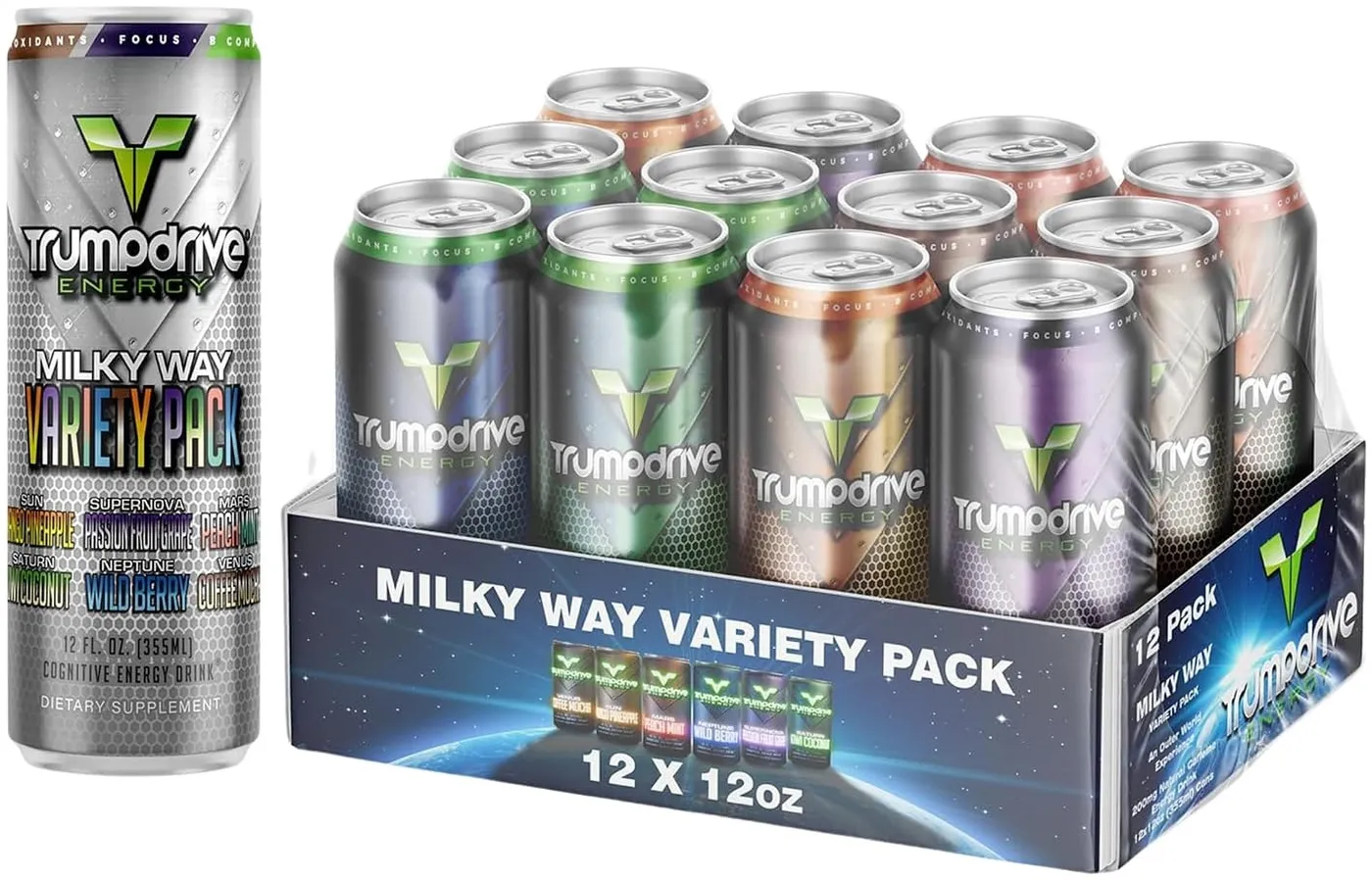
Trumpdrive Energy – six planetary flavors including the new Jupiter Matcha Lychee - Choline -- Listed as a separate ingredient alongside the Cognizin citicoline, choline here likely serves as an additional cholinergic substrate supporting acetylcholine production. Dose undisclosed.
- Green Bean Coffee Extract (Natural Caffeine) -- The primary caffeine source in the Cognitive Blend, contributing to the 200mg total from green (unroasted) coffee beans, which preserve chlorogenic acids alongside the caffeine.
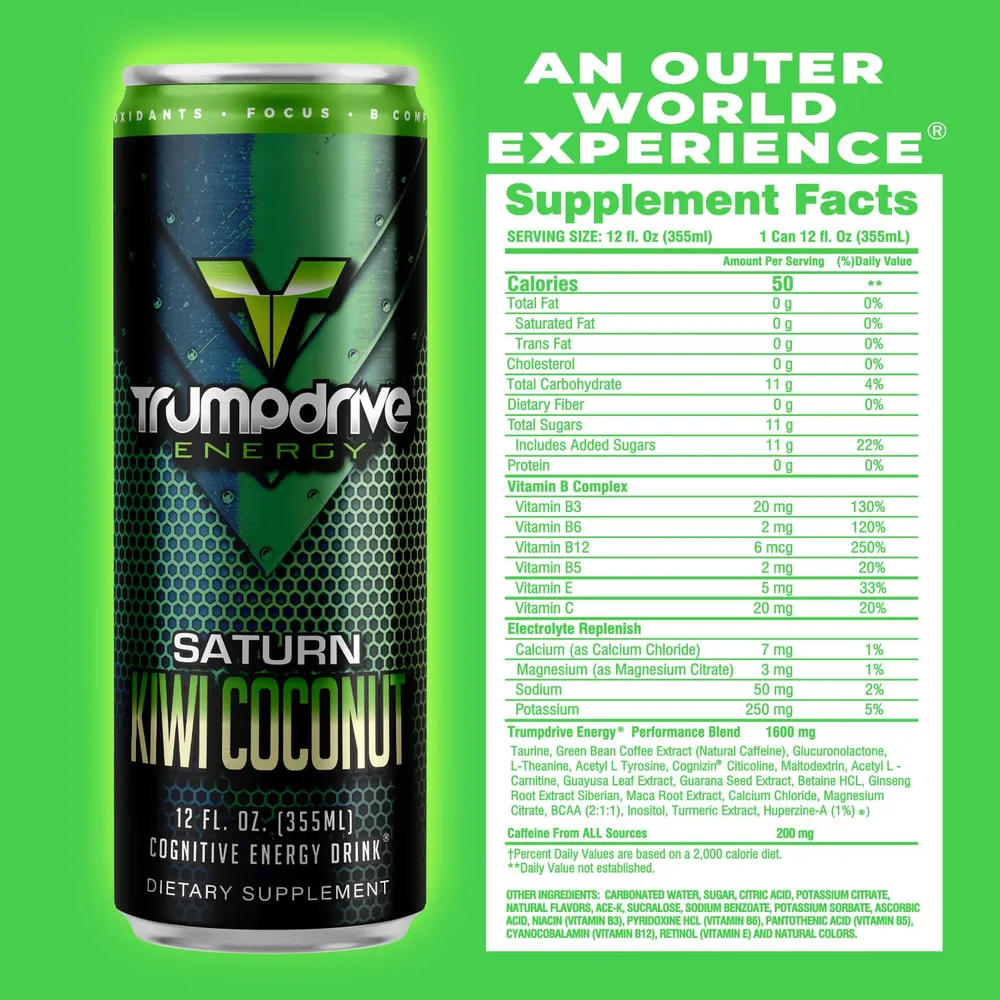
- Natural Flavors -- Flavor compounds from natural sources that deliver the Matcha Lychee profile. Specific sources are not disclosed, which is standard for flavor systems.
- Citric Acid -- A common food-grade acidulant that adjusts pH and contributes tartness, balancing the sweetness of 11g of added sugar. Also functions as a natural preservative.
- Sucralose -- A zero-calorie sweetener used to boost sweetness beyond what 11g of sugar delivers, keeping the drink palatable without additional caloric load.
- Potassium Sorbate -- A widely used antimicrobial preservative that inhibits mold and yeast growth, extending shelf life.
- Sodium Benzoate -- Another preservative, effective against bacteria and fungi in acidic beverages. Standard at low levels in RTD energy drinks.
Flavors Available
- Matcha Lychee (12 Cans: $35.89)
Who It's For
- Nootropic-curious energy drink drinkers: If you've been frustrated by the thin ingredient lists behind "cognitive energy drink" claims in the category, Trumpdrive is actually reaching for something. The citicoline, Lion's Mane, Bacopa, and Huperzine A stack is more ambitious than what you'll find in most competitors.
- Matcha and lychee fans: Jupiter Matcha Lychee fills a genuine gap -- the flavor combination has been everywhere in RTD tea and functional water but hasn't landed in a nootropic Enny until now.
A Formula That Earns the "Cognitive" Label
Trumpdrive Energy is one of the few energy drinks that can actually defend the cognitive positioning. The Cognizin citicoline inclusion alone puts it in a different tier from most category competitors, and stacking it with Lion's Mane, Bacopa Monnieri, and Huperzine A -- all with meaningful human clinical data -- is genuinely uncommon. The trade-off is that almost every ingredient beyond caffeine comes without a disclosed dose, which makes it impossible to know whether the stack is performing at research-effective levels or just checking ingredient boxes. Serious buyers should ask that question. Jupiter Matcha Lychee is available now at Walmart.com and Trumpdriveenergy.com -- if you're in the market for an Enny that's trying harder on the formula side, this one is worth cracking.
References
- Guest, Nanci S. et al. "International Society Of Sports Nutrition Position Stand Caffeine And Exercise Performance." Journal of the International Society of Sports Nutrition, 2021. https://doi.org/10.1186/s12970-020-00383-4
- McLellan, Tom M. et al. "A Review Of Caffeine S Effects On Cognitive Physical And Occupational Performance." Neuroscience & Biobehavioral Reviews, 2016. https://doi.org/10.1016/j.neubiorev.2016.09.001
- Wikoff, Daniele, et al. "Systematic review of the potential adverse effects of caffeine consumption in healthy adults, pregnant women, adolescents, and children." Food and chemical toxicology : an international journal published for the British Industrial Biological Research Association, 2017. https://doi.org/10.1016/j.fct.2017.04.002
- Ripps, Harris, et al. "Review: taurine: a "very essential" amino acid." Molecular vision, 2012. https://pmc.ncbi.nlm.nih.gov/articles/PMC3501277/
- Jong, Chian Ju, et al. "The Role of Taurine in Mitochondria Health: More Than Just an Antioxidant." Molecules (Basel, Switzerland), 2021. https://doi.org/10.3390/molecules26164913
- Goodman, Craig A, et al. "Taurine supplementation increases skeletal muscle force production and protects muscle function during and after high-frequency in vitro stimulation." Journal of applied physiology (Bethesda, Md. : 1985), 2009. https://doi.org/10.1152/japplphysiol.00040.2009
- Deng, Hengzhi, et al. "Caffeine and taurine: a systematic review and network meta-analysis of their individual and combined effects on physical capacity, cognitive function, and physiological markers." Journal of the International Society of Sports Nutrition, 2025. https://doi.org/10.1080/15502783.2025.2566371
- Marsh, C A. "Metabolism of D-glucuronolactone in mammalian systems. Inhibitory properties of the products of D-glucuronolactone-dehydrogenase action." The Biochemical journal, 1966. https://doi.org/10.1042/bj0990022
- Tamura, S, et al. "Effects of glucuronolactone and the other carbohydrates on the biochemical changes produced in the living body of rats by hard exercise." Japanese journal of pharmacology, 1968. https://doi.org/10.1254/jjp.18.30
- Alford, C, et al. "The effects of red bull energy drink on human performance and mood." Amino acids, 2001. https://doi.org/10.1007/s007260170021
- Juneja, L. "L Theanine A Unique Amino Acid Of Green Tea And Its Relaxation Effect In Humans." Trends in Food Science & Technology, 1999. https://doi.org/10.1016/s0924-2244(99)00044-8
- Camfield, David A, et al. "Acute effects of tea constituents L-theanine, caffeine, and epigallocatechin gallate on cognitive function and mood: a systematic review and meta-analysis." Nutrition reviews, 2014. https://doi.org/10.1111/nure.12120
- Lopes, Sakamoto Filipe, et al. "Psychotropic Effects Of L Theanine And Its Clinical Properties From The Management Of Anxiety And Stress To A Potential Use In Schizophrenia." Pharmacological research, 2019. https://doi.org/10.1016/j.phrs.2019.104395
- Hidese, Shinsuke, et al. "Effects Of L Theanine Administration On Stress Related Symptoms And Cognitive Functions In Healthy Adults A Randomized Controlled Trial." Nutrients, 2019. https://doi.org/10.3390/nu11102362
- Chronakis, I S. "On the molecular characteristics, compositional properties, and structural-functional mechanisms of maltodextrins: a review." Critical reviews in food science and nutrition, 1998. https://doi.org/10.1080/10408699891274327
- Fernstrom, John D. et al. "Tyrosine, Phenylalanine, and Catecholamine Synthesis and Function in the Brain." The Journal of Nutrition, 2007. https://doi.org/10.1093/jn/137.6.1539s
- Attipoe, Selasi, et al. "Tyrosine for Mitigating Stress and Enhancing Performance in Healthy Adult Humans, a Rapid Evidence Assessment of the Literature." Military medicine, 2015. https://doi.org/10.7205/MILMED-D-14-00594
- Smid, Dagmar J. et al. "Tyrosine improves cognitive performance and reduces blood pressure in cadets after one week of a combat training course." Frontiers in Physiology, 2025. https://doi.org/10.3389/fphys.2025.1539615
- Tumilty, Les, et al. "Oral tyrosine supplementation improves exercise capacity in the heat." European journal of applied physiology, 2011. https://doi.org/10.1007/s00421-011-1921-4
- Conant, Richard, et al. "Therapeutic applications of citicoline for stroke and cognitive dysfunction in the elderly: a review of the literature." Alternative medicine review : a journal of clinical therapeutic, 2004. https://pubmed.ncbi.nlm.nih.gov/15005642/
- Secades, Julio J, et al. "Citicoline: pharmacological and clinical review, 2006 update." Methods and findings in experimental and clinical pharmacology, 2006. https://pubmed.ncbi.nlm.nih.gov/17171187/
- Nakazaki, Eri, et al. "Citicoline And Memory Function In Healthy Older Adults A Randomized Double Blind Placebo Controlled Clinical Trial." The Journal of Nutrition, 2021. https://doi.org/10.1093/jn/nxab119
- McGlade, Erin, et al. "Improved Attentional Performance Following Citicoline Administration In Healthy Adult Women." Food and Nutrition Sciences, 2012. https://doi.org/10.4236/fns.2012.36103
- Silveri, M M, et al. "Citicoline enhances frontal lobe bioenergetics as measured by phosphorus magnetic resonance spectroscopy." NMR in biomedicine, 2008. https://doi.org/10.1002/nbm.1281
- Pennisi, Manuela, et al. "Acetyl L Carnitine In Dementia And Other Cognitive Disorders A Critical Update." Nutrients, 2020. https://doi.org/10.3390/nu12051389
- Montgomery, Stuart A. et al. "Meta Analysis Of Double Blind Randomized Controlled Clinical Trials Of Acetyl L Carnitine Versus Placebo In The Treatment Of Mild Cognitive Impairment And Mild Alzheimer S Disease." International Clinical Psychopharmacology, 2003. https://doi.org/10.1097/00004850-200303000-00001
- Malaguarnera, Mariano, et al. "L Carnitine Treatment Reduces Severity Of Physical And Mental Fatigue And Increases Cognitive Functions In Centenarians A Randomized And Controlled Clinical Trial." The American Journal of Clinical Nutrition, 2007. https://doi.org/10.1093/ajcn/86.5.1738
- Noriega, Paco, et al. "Guayusa (Ilex guayusa Loes.) Ancestral Plant of Ecuador: History, Traditional Uses, Chemistry, Biological Activity, and Potential Industrial Uses." Molecules (Basel, Switzerland), 2025. https://doi.org/10.3390/molecules30132837
- García-Ruiz, Almudena, et al. "Guayusa (Ilex guayusa L.) new tea: phenolic and carotenoid composition and antioxidant capacity." Journal of the science of food and agriculture, 2017. https://doi.org/10.1002/jsfa.8255
- Schuster, Julius, et al. "More than just caffeine: psychopharmacology of methylxanthine interactions with plant-derived phytochemicals." Progress in neuro-psychopharmacology & biological psychiatry, 2019. https://doi.org/10.1016/j.pnpbp.2018.09.005
- Helwig, Nathaniel J, et al. "Acute, dose-response effects of guayusa leaf extract on mood, cognitive and motor-cognitive performance, and blood pressure, heart rate, and ventricular repolarization." Journal of the International Society of Sports Nutrition, 2024. https://doi.org/10.1080/15502783.2024.2379424
- La, Monica Michael B, et al. "Acute Effects Of Naturally Occurring Guayusa Tea And Nordic Lion S Mane Extracts On Cognitive Performance." Nutrients, 2023. https://doi.org/10.3390/nu15245018
- Torres, Elizabeth A F S, et al. "Effects Of The Consumption Of Guarana On Human Hea." Comprehensive reviews in food science and food safety, 2022. https://doi.org/10.1111/1541-4337.12862
- Moustakas, Dimitrios, et al. "Guarana Provides Additional Stimulation Over Caffeine Alone In The Planarian Model." PloS one, 2015. https://doi.org/10.1371/journal.pone.0123310
- Hack, Brian, et al. "Effect Of Guarana Paullinia Cupana On Cognitive Performance A Systematic Review And Meta Analysis." Nutrients, 2023. https://doi.org/10.3390/nu15020434
- Caldas, Teresa, et al. "Thermoprotection by glycine betaine and choline." Microbiology (Reading, England), 1999. https://doi.org/10.1099/00221287-145-9-2543
- Craig, Stuart A S. "Betaine in human nutrition." The American journal of clinical nutrition, 2004. https://doi.org/10.1093/ajcn/80.3.539
- Lee, Elaine C, et al. "Ergogenic effects of betaine supplementation on strength and power performance." Journal of the International Society of Sports Nutrition, 2010. https://doi.org/10.1186/1550-2783-7-27
- Zawieja, Emilia, et al. "Effects of chronic betaine supplementation on exercise performance: Systematic review and meta-analysis." Journal of sports sciences, 2024. https://doi.org/10.1080/02640414.2024.2423578
- Olthof, M R, et al. "Effects of betaine intake on plasma homocysteine concentrations and consequences for health." Current drug metabolism, 2005. https://doi.org/10.2174/1389200052997366
- Mori, Koichiro, et al. "Nerve growth factor-inducing activity of Hericium erinaceus in 1321N1 human astrocytoma cells." Biological and Pharmaceutical Bulletin, 2008. https://doi.org/10.1248/bpb.31.1727
- Mori, Koichiro, et al. "Improving Effects Of The Mushroom Yamabushitake Hericium Erinaceus On Mild Cognitive Impairment A Double Blind Placebo Controlled Clinical Trial." Phytotherapy research : PTR, 2009. https://doi.org/10.1002/ptr.2634
- La, Monica Michael B, et al. "Acute Effects Of Naturally Occurring Guayusa Tea And Nordic Lion S Mane Extracts On Cognitive Performance." Nutrients, 2023. https://doi.org/10.3390/nu15245018
- Chiu, Chun-Hung, et al. "Erinacine A Enriched Hericium Erinaceus Mycelium Produces Antidepressant Like Effects Through Modulating Bdnf Pi3K Akt Gsk 3 Signaling In Mice." International journal of molecular sciences, 2018. https://doi.org/10.3390/ijms19020341
- Kennedy, David O, et al. "Ginseng Potential For The Enhancement Of Cognitive Performance And Mood." Pharmacology, biochemistry, and behavior, 2003. https://doi.org/10.1016/S0091-3057(03)00126-6
- Scholey, Andrew, et al. "Effects Of American Ginseng Panax Quinquefolius On Neurocognitive Function An Acute Randomised Double Blind Placebo Controlled Crossover Study." Psychopharmacology, 2010. https://doi.org/10.1007/s00213-010-1964-y
- Gonzales, G F, et al. "Effect of Lepidium meyenii (MACA) on sexual desire and its absent relationship with serum testosterone levels in adult healthy men." Andrologia, 2002. https://doi.org/10.1046/j.1439-0272.2002.00519.x
- Huerta, Ojeda Álvaro, et al. "Effects of Maca (Lepidium meyenii Walp.) on Physical Performance in Animals and Humans: A Systematic Review and Meta-Analysis." Nutrients, 2024. https://doi.org/10.3390/nu17010107
- Singh, Nalin, et al. "N-Benzyl-linoleamide, a Constituent of Lepidium meyenii (Maca), Is an Orally Bioavailable Soluble Epoxide Hydrolase Inhibitor That Alleviates Inflammatory Pain." Journal of natural products, 2020. https://doi.org/10.1021/acs.jnatprod.0c00938
- Blomstrand, Eva, et al. "Branched-chain amino acids activate key enzymes in protein synthesis after physical exercise." The Journal of nutrition, 2006. https://doi.org/10.1093/jn/136.1.269S
- Wolfson, Rachel L, et al. "Sestrin2 is a leucine sensor for the mTORC1 pathway." Science (New York, N.Y.), 2016. https://doi.org/10.1126/science.aab2674
- Monirujjaman, Md. et al. "Metabolic and Physiological Roles of Branched-Chain Amino Acids." Advances in Molecular Biology, 2014. https://doi.org/10.1155/2014/364976
- Jackman, Sarah R, et al. "Branched-Chain Amino Acid Ingestion Stimulates Muscle Myofibrillar Protein Synthesis following Resistance Exercise in Humans." Frontiers in physiology, 2017. https://doi.org/10.3389/fphys.2017.00390
- Unfer, Vittorio, et al. "Myo-inositol effects in women with PCOS: a meta-analysis of randomized controlled trials." Endocrine connections, 2017. https://doi.org/10.1530/EC-17-0243
- Levine, J, et al. "Double-blind, controlled trial of inositol treatment of depression." The American journal of psychiatry, 1995. https://doi.org/10.1176/ajp.152.5.792
- Benjamin, J, et al. "Double-blind, placebo-controlled, crossover trial of inositol treatment for panic disorder." The American journal of psychiatry, 1995. https://doi.org/10.1176/ajp.152.7.1084
- Damar, U, et al. "Huperzine A As A Neuroprotective And Antiepileptic Drug A Review Of Preclinical Research." Expert review of neurotherapeutics, 2016. https://doi.org/10.1080/14737175.2016.1175303
- Tun, Maung Kyaw Moe, et al. "The Pharmacology And Therapeutic Potential Of Huperzine A." Journal of experimental pharmacology, 2012. https://doi.org/10.2147/JEP.S27084
- Kunnumakkara, Ajaikumar B, et al. "Curcumin, the golden nutraceutical: multitargeting for multiple chronic diseases." British journal of pharmacology, 2017. https://doi.org/10.1111/bph.13621
- Dehzad, Mohammad Jafar, et al. "Antioxidant and anti-inflammatory effects of curcumin/turmeric supplementation in adults: A GRADE-assessed systematic review and dose-response meta-analysis of randomized controlled trials." Cytokine, 2023. https://doi.org/10.1016/j.cyto.2023.156144
- Small, Gary W, et al. "Memory and Brain Amyloid and Tau Effects of a Bioavailable Form of Curcumin in Non-Demented Adults: A Double-Blind, Placebo-Controlled 18-Month Trial." The American journal of geriatric psychiatry : official journal of the American Association for Geriatric Psychiatry, 2018. https://doi.org/10.1016/j.jagp.2017.10.010
- Lao, Christopher D, et al. "Dose escalation of a curcuminoid formulation." BMC complementary and alternative medicine, 2006. https://doi.org/10.1186/1472-6882-6-10
- Roodenrys, Steven, et al. "Chronic effects of Brahmi (Bacopa monnieri) on human memory." Neuropsychopharmacology : official publication of the American College of Neuropsychopharmacology, 2002. https://doi.org/10.1016/S0893-133X(01)00419-5
- Kongkeaw, Chuenjid, et al. "Meta-analysis of randomized controlled trials on cognitive effects of Bacopa monnieri extract." Journal of ethnopharmacology, 2014. https://doi.org/10.1016/j.jep.2013.11.008
- Brimson, James M, et al. "The effectiveness of Bacopa monnieri (Linn.) Wettst. as a nootropic, neuroprotective, or antidepressant supplement: analysis of the available clinical data." Scientific reports, 2021. https://doi.org/10.1038/s41598-020-80045-2
- Benson, Sarah, et al. "An acute, double-blind, placebo-controlled cross-over study of 320 mg and 640 mg doses of Bacopa monnieri (CDRI 08) on multitasking stress reactivity and mood." Phytotherapy research : PTR, 2014. https://doi.org/10.1002/ptr.5029
- Gasperi, Valeria, et al. "Niacin In The Central Nervous System An Update Of Biological Aspects And Clinical Applications." International Journal of Molecular Sciences, 2019. https://doi.org/10.3390/ijms20040974
- di, Salvo Martino Luigi, et al. "Di Salvo2010 Vitamin B6 Salvage Enzymes Mechanism Structure And Regulation." Biochimica et Biophysica Acta (BBA) - Proteins and Proteomics, 2011. https://doi.org/10.1016/j.bbapap.2010.12.006
- Lyon, Peter, et al. "B Vitamins And One Carbon Metabolism Implications In Human Health And Disease." Nutrients, 2020. https://doi.org/10.3390/nu12092867
- Ueno, Asako, et al. "Influences Of Vitamin B12 Supplementation On Cognition And Homocysteine In Patients With Vitamin B12 Deficiency And Cognitive Impairment." Nutrients, 2022. https://doi.org/10.3390/nu14071494
- Freese, Riitta, et al. "Pantothenic acid - a scoping review for Nordic Nutrition Recommendations 2023." Food & nutrition research, 2023. https://doi.org/10.29219/fnr.v67.10255
- Miller, Edgar R, et al. "Meta-analysis: high-dosage vitamin E supplementation may increase all-cause mortality." Annals of internal medicine, 2005. https://doi.org/10.7326/0003-4819-142-1-200501040-00110
- Carr, Anitra, et al. "Vitamin C And Immune Function." Nutrients, 2017. https://doi.org/10.3390/nu9111211
- Barry, Daniel W, et al. "Acute Calcium Ingestion Attenuates Exercise Induced Disruption Of Calcium Homeostasis." Medicine and science in sports and exercise, 2011. https://doi.org/10.1249/MSS.0b013e3181f79fa8
- Schuette, Sally A. et al. "Bioavailability Of Magnesium Diglycinate Vsmagnesium Oxide In." Journal of Parenteral and Enteral Nutrition, 1994. https://doi.org/10.1177/0148607194018005430
- Alharran, Abdullah M, et al. "Impact Of Magnesium Supplementation On Blood Pressure An Umbrella Meta Analysis Of Randomized Controlled Trials." Current therapeutic research, clinical and experimental, 2024. https://doi.org/10.1016/j.curtheres.2024.100755
- Montain, Scott J, et al. "Sweat mineral-element responses during 7 h of exercise-heat stress." International journal of sport nutrition and exercise metabolism, 2007. https://doi.org/10.1123/ijsnem.17.6.574
- Haddy, Francis J, et al. "Role of potassium in regulating blood flow and blood pressure." American journal of physiology. Regulatory, integrative and comparative physiology, 2006. https://doi.org/10.1152/ajpregu.00491.2005
Tagged