Red Bull Winter Edition Sugarfree: Cold-Weather Flavor, Zero Sugar
Red Bull's seasonal flavor slot, rebuilt for the sugar-free crowd
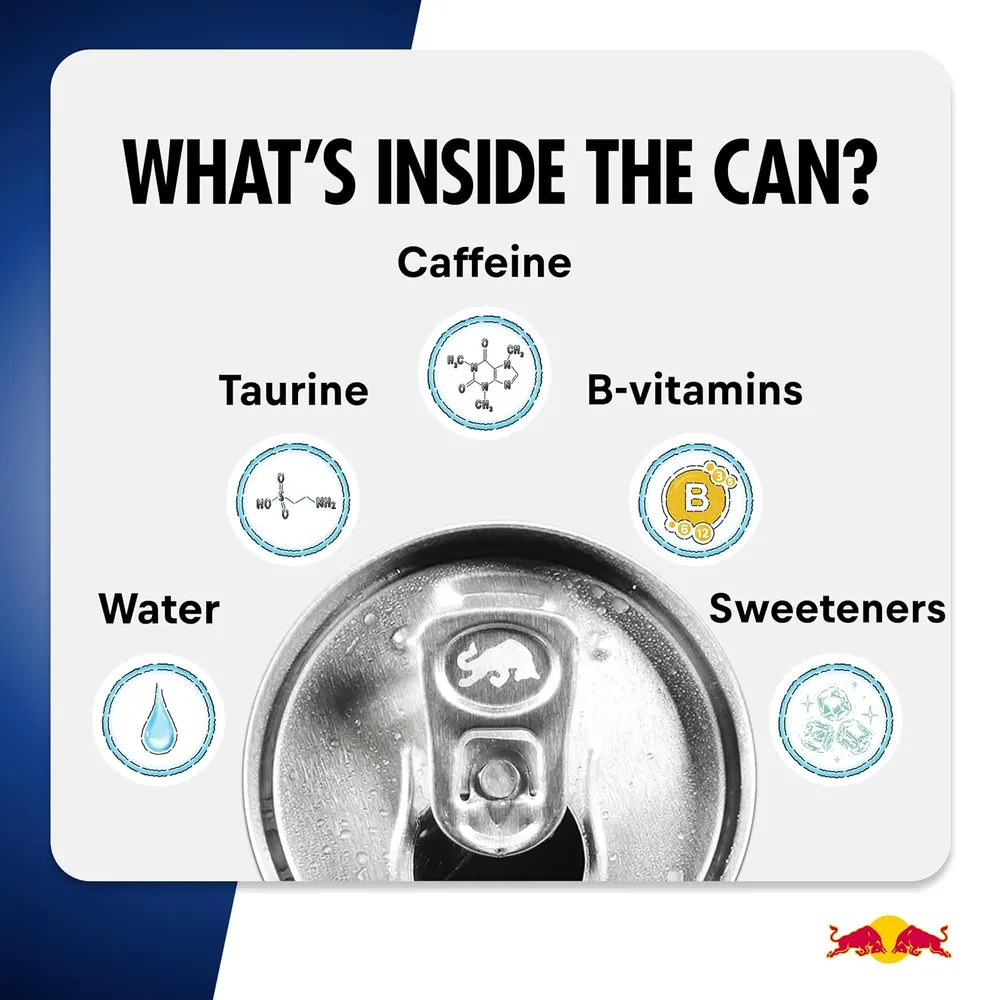
Red Bull Winter Edition Sugarfree runs on caffeine, taurine, and four B vitamins, with vitamin B6 at 350% of the Daily Value in each can.
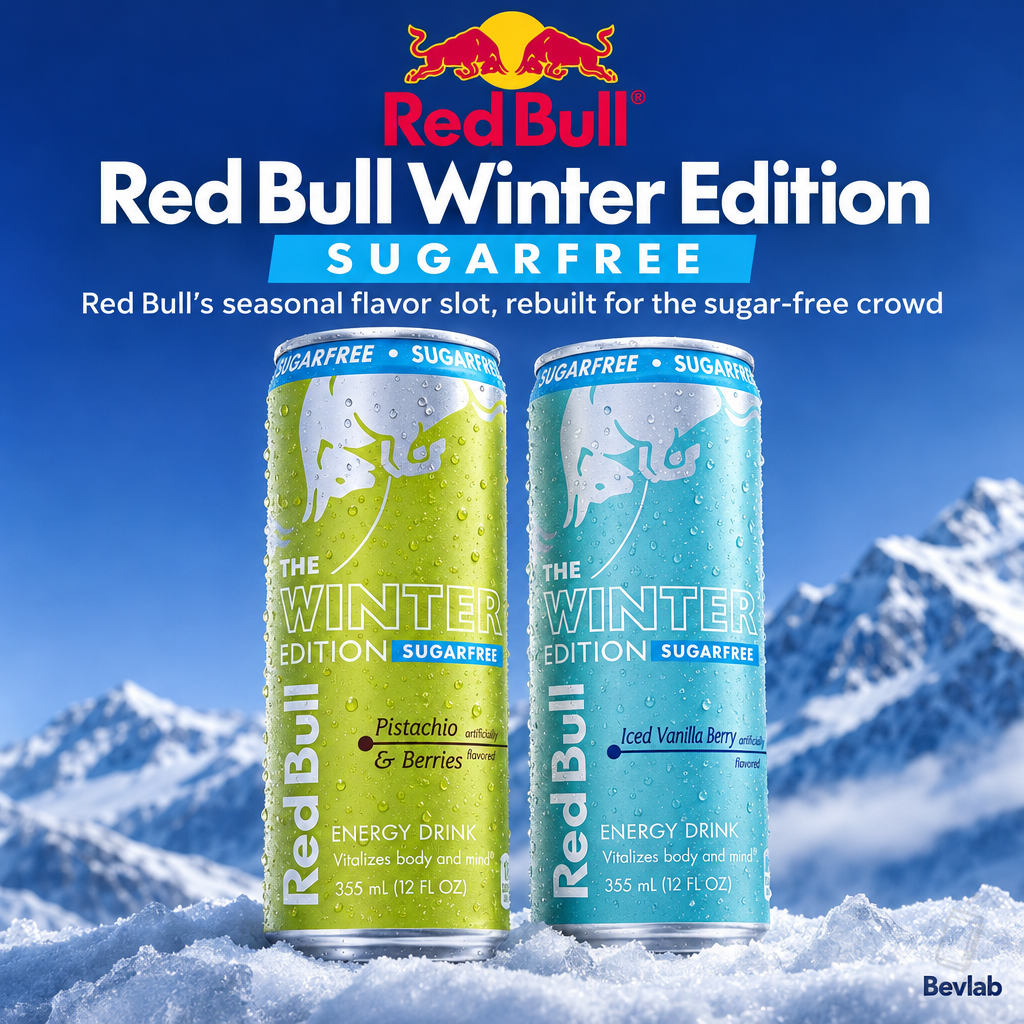
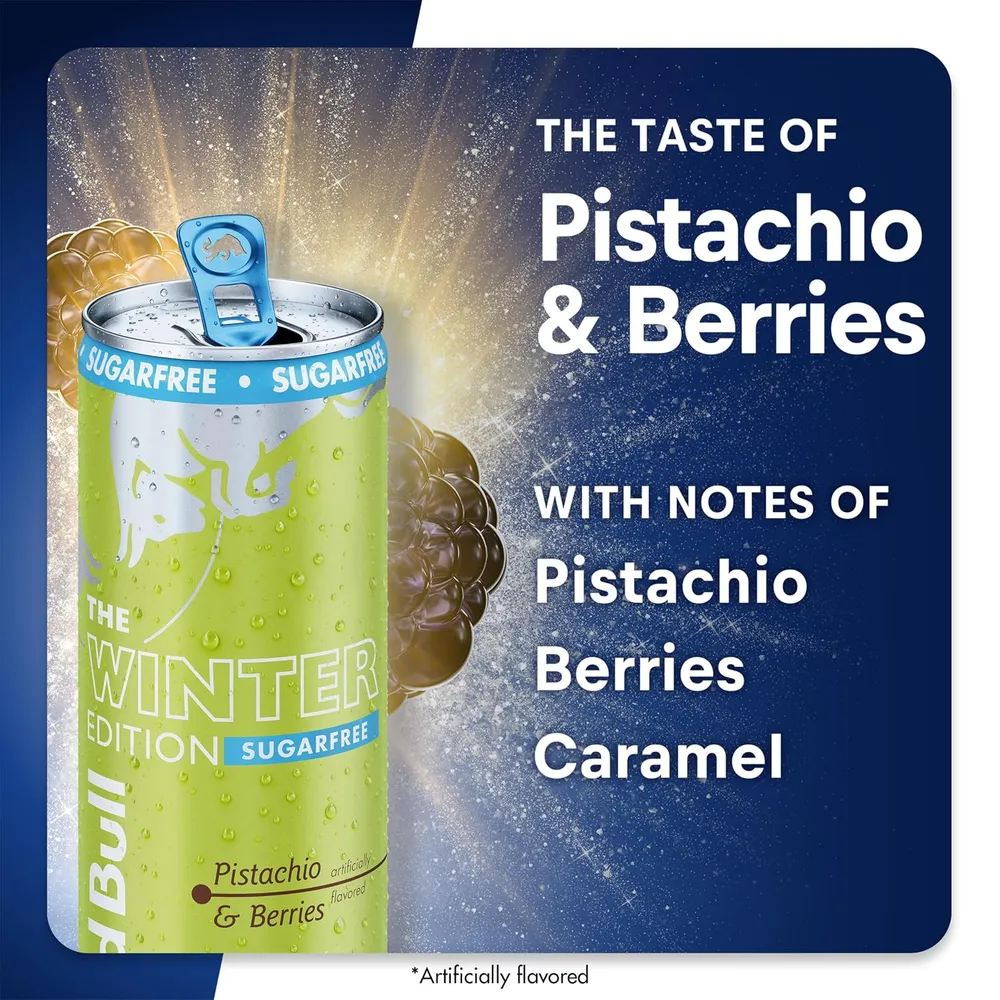
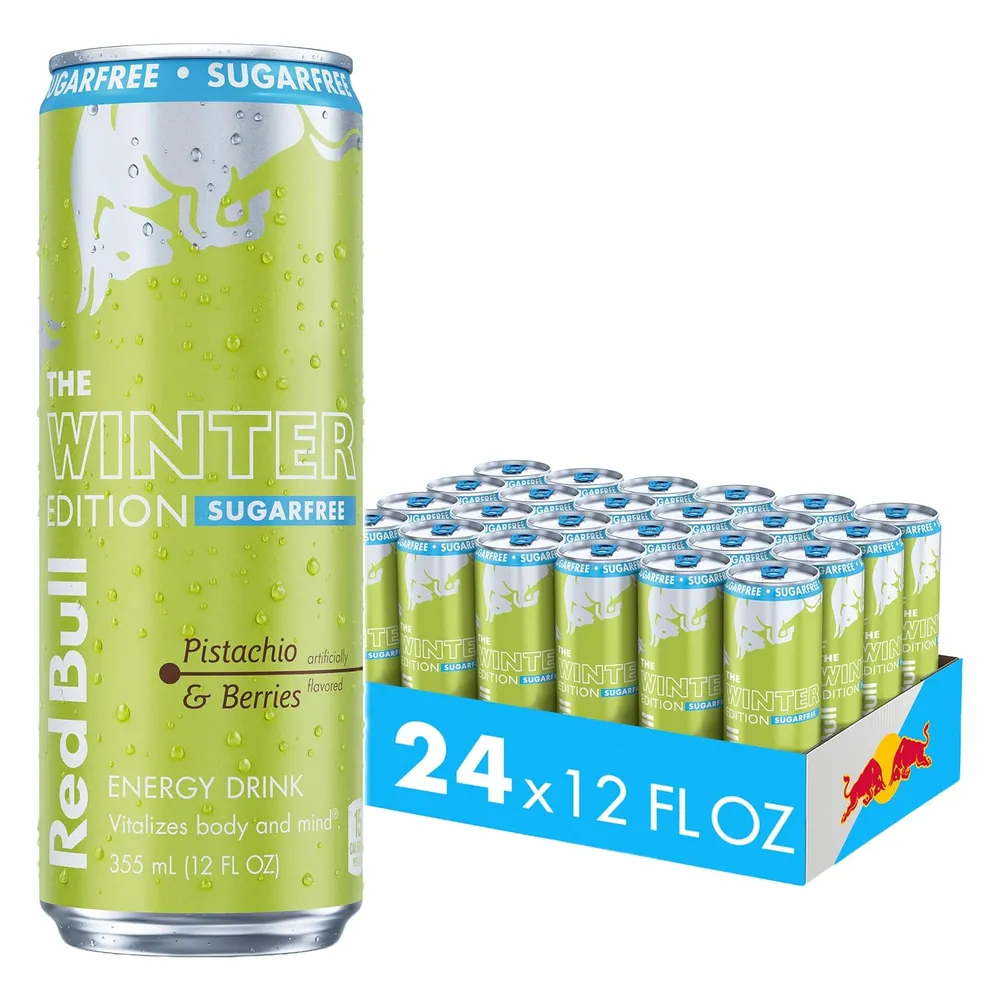
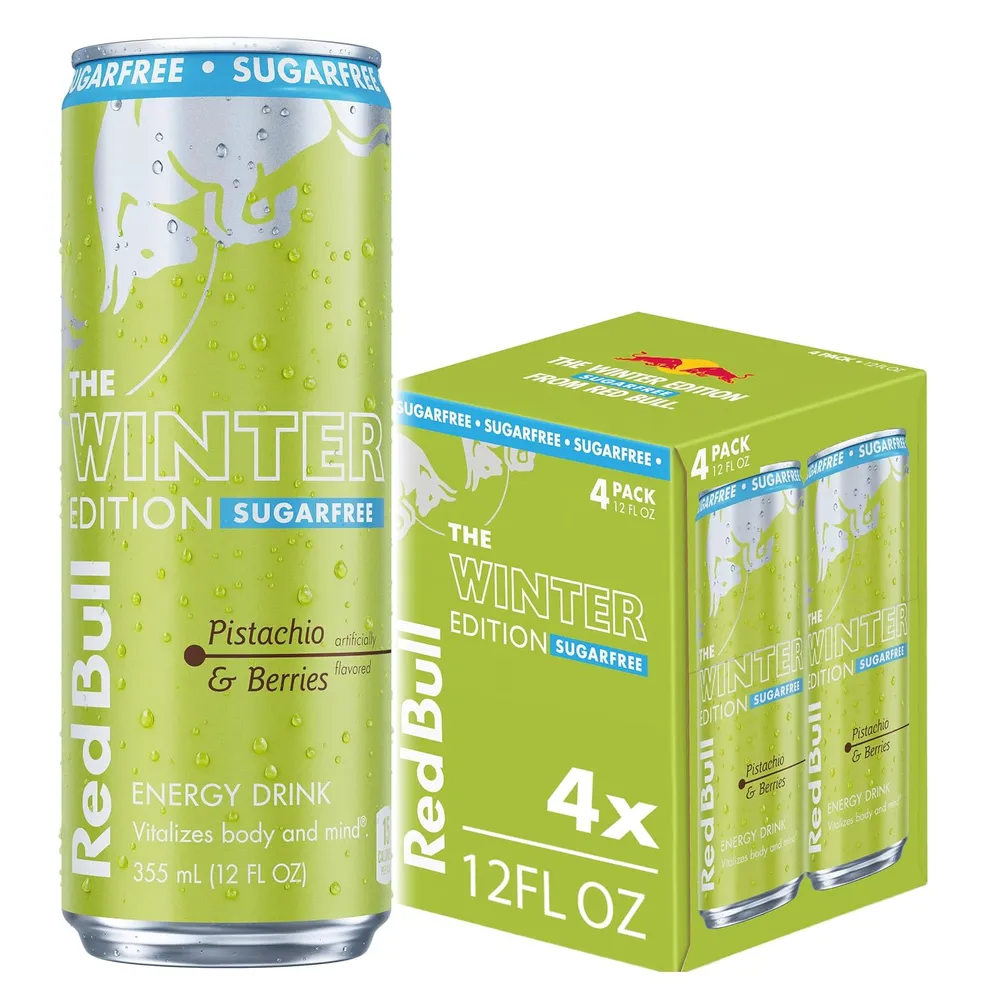
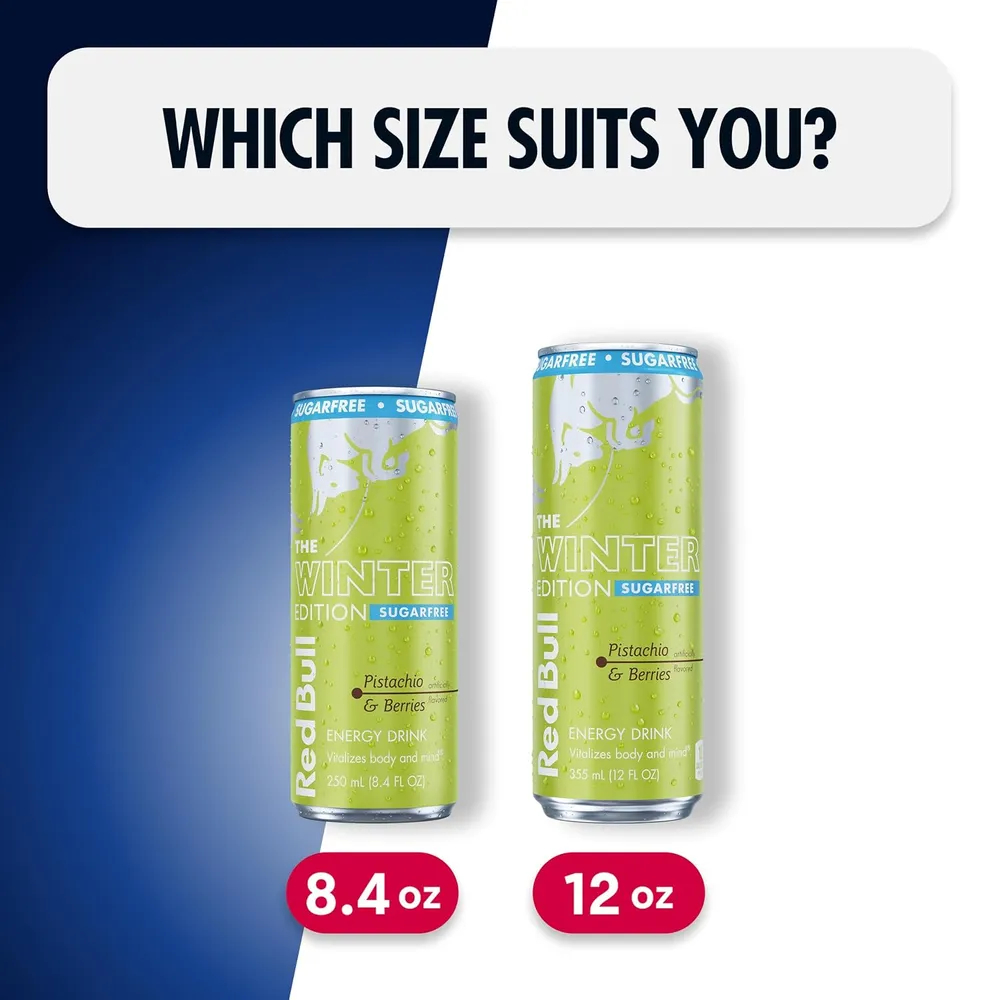
Red Bull's Winter Edition is the brand's cold-weather flavor slot. Red Bull Winter Edition Sugarfree is the version for people who want the seasonal flavor without the sugar. The flavor changes between runs and the base formula doesn't, so the flavor is the reason to buy it. The 2026 flavor is Pistachio & Berries, and an earlier run used Iced Vanilla Berry.
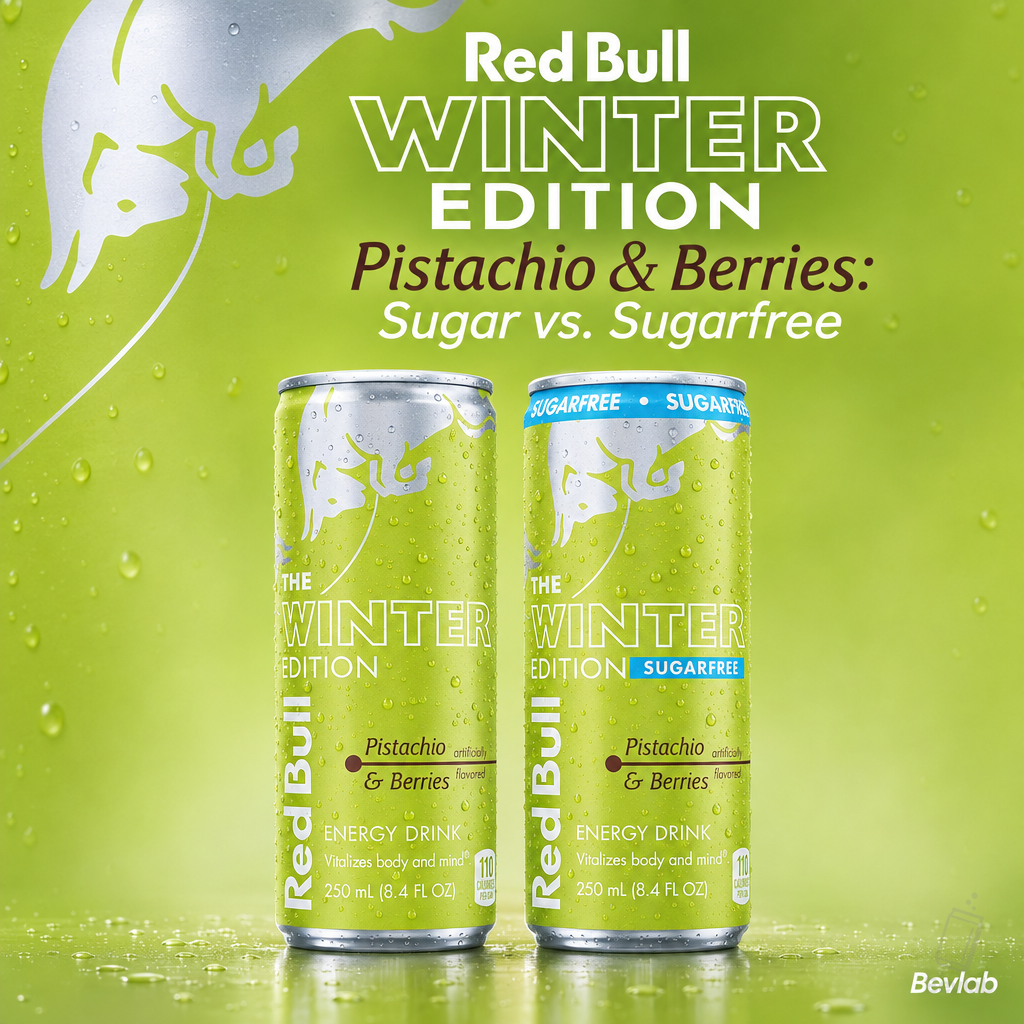
Underneath the flavor, it's a sugar-free Red Bull: 0g sugar and 15 calories per can, caffeine and taurine as the actives, four B vitamins, and sucralose plus acesulfame potassium for sweetness. Red Bull also makes a full-sugar Winter Edition, so make sure you know which one is in your hand.
Red Bull Winter Edition Sugarfree Nutrition Facts
These numbers come from the Pistachio & Berries can, and other Winter Edition Sugarfree flavors may differ slightly.
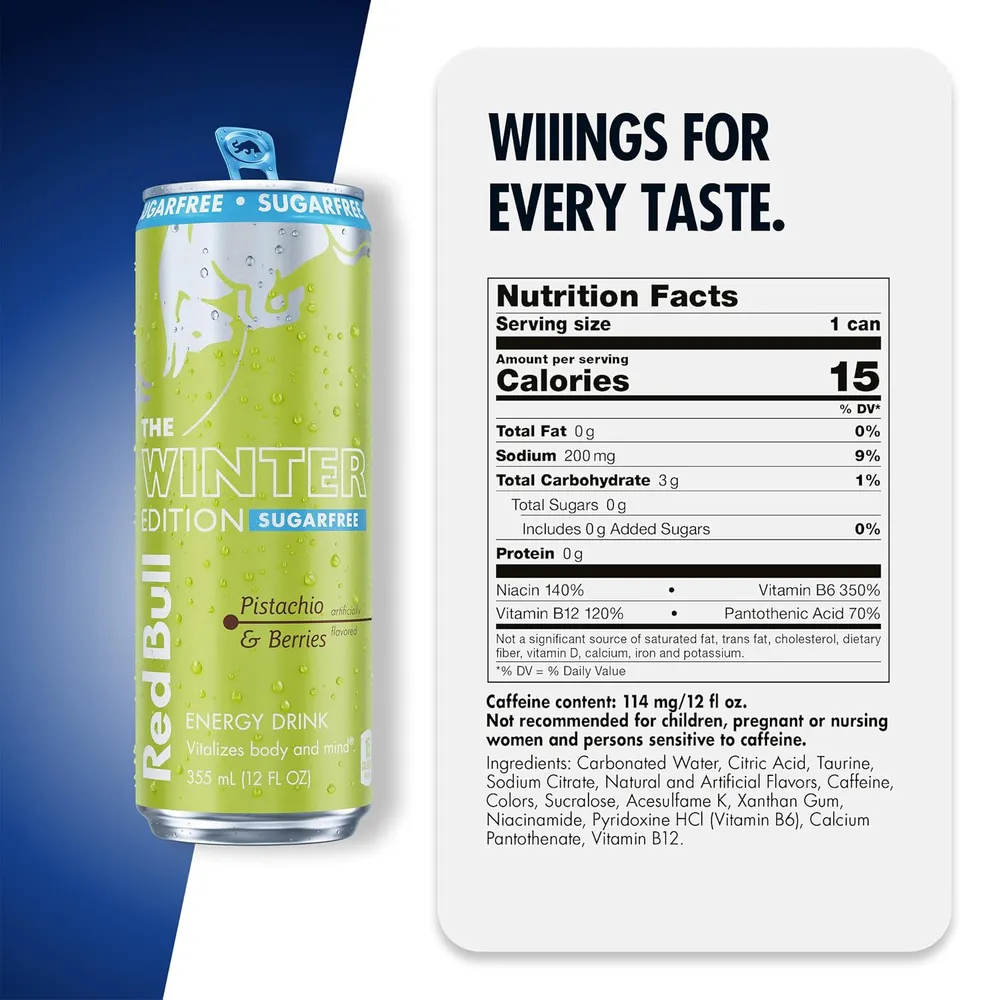
- Calories: 15
- Total Fat: 0g (0% DV)
- Total Carbohydrate: 3g (1% DV)
- Total Sugars: 0g
- Added Sugars: 0g (0% DV)
- Total Sugars: 0g
- Protein: 0g
- Vitamins and Minerals
- Sodium: 200mg (9% DV)
- Niacin: ~22mg NE (140% DV)
- Vitamin B6: ~6mg (350% DV)
- Vitamin B12: ~2.9mcg (120% DV)
- Pantothenic Acid: ~3.5mg (70% DV)
Calories and sugar barely register here. The 200mg of sodium (9% DV) matters more if you watch your salt intake. Three of the four B vitamins also land above 100% DV, and vitamin B6 is by far the biggest, which comes up again in the vitamin section below.
Red Bull Winter Edition Sugarfree Ingredients
The full ingredient list on the Pistachio & Berries can reads: Carbonated Water, Citric Acid, Taurine, Sodium Citrate, Natural and Artificial Flavors, Caffeine, Colors, Sucralose, Acesulfame K, Xanthan Gum, Niacinamide, Pyridoxine HCl (Vitamin B6), Calcium Pantothenate, Vitamin B12.
Each can provides the following key actives:
-
Caffeine - 114mg
Caffeine powers the can. It's sixth on the ingredient list. It blocks the signal that makes you feel tired, so you feel more alert even though the can adds almost no calories. The can states 114mg of caffeine per 12 fl oz, printed below the Nutrition Facts panel rather than in it.
Caffeine's effect on the brain is about as well studied as beverage science gets. A broad review found that roughly 40-300mg can improve alertness, vigilance, attention, and reaction time in both rested and sleep-restricted people. Effects on memory and complex reasoning were less consistent.[1] A separate review of placebo-controlled trials concluded that the attention boost is more than relief from withdrawal in regular drinkers.[2]
Your own response may differ from the averages. Genetics, smoking, medications, hormones, and habitual intake all change how hard caffeine hits and how long it stays in your system.[3] Timing matters as well. In one crossover study, 400mg taken six hours before bed still disrupted sleep.[4] A large safety review supported up to 400mg/day for healthy adults, with lower benchmarks for pregnancy and younger people.[5]
-
Taurine
Taurine is third on the ingredient list, ahead of caffeine, so this can contains more taurine than caffeine by weight. The Nutrition Facts panel and ingredient list don't give a taurine amount, which means you can't line it up against study doses directly. Taurine is a sulfur-containing amino acid that your body uses for cell-volume regulation, calcium handling, and bile-acid production. It isn't one of the amino acids your body uses to build protein.[6]
The performance research is mixed. A 2018 meta-analysis of studies using 1-6g/day found a moderate endurance benefit.[7] A 2025 analysis of 23 single-dose trials found a smaller effect with low certainty, and its likely range of results often included no benefit at all.[8] Since Red Bull pairs taurine with caffeine, the combination research is the more relevant evidence. A network meta-analysis favored caffeine plus taurine for anaerobic capacity and reaction time, but that design can't show how much the taurine adds by itself.[9]
The case for cognitive benefits is weaker. A meta-analysis of seven randomized trials didn't find enough evidence of an overall cognitive benefit from taurine.[10] On safety, a meta-analysis of 25 randomized trials using 0.5-6g/day found no significant difference in adverse effects compared with controls.[11]
-
Vitamins and Minerals
The can prints percentages for these vitamins, not milligrams. The amounts below are estimates calculated from each printed %DV using the current U.S. Daily Values.
-
Niacin (as Niacinamide) - ~22mg NE (140% DV)
Niacin appears on the label as Niacinamide. Your body converts it to NAD+, a coenzyme cells use to turn food into usable energy. Unlike nicotinic acid, niacinamide doesn't cause the well-known skin flush.[12] At about 22mg NE, one can stays under the U.S. upper limit of 35mg/day, a limit set around flushing.[13]
-
Vitamin B6 (as Pyridoxine HCl) - ~6mg (350% DV)
Vitamin B6 comes as Pyridoxine HCl, which your body converts to pyridoxal-5'-phosphate, a coenzyme involved in amino acid metabolism and neurotransmitter production. About 6mg is roughly half of EFSA's adult upper limit of 12mg/day.[14] A single can isn't a concern. Pyridoxine adds up, though, if you combine several cans with a B-complex or pre-workout, and neuropathy reports have involved long-term supplement use.[15]
-
Vitamin B12 - ~2.9mcg (120% DV)
Vitamin B12 comes in at about 2.9mcg, a little above the Daily Value. B12 supports red blood cell formation, DNA synthesis, and nerve maintenance, and it has no established upper limit.[16] If you aren't deficient, don't expect a noticeable lift. A meta-analysis of 16 trials found no effect on cognition or mood in people without deficiency.[17]
-
Vitamin B5 (as Calcium Pantothenate) - ~3.5mg (70% DV)
Pantothenic acid, listed as Calcium Pantothenate, is the raw material for Coenzyme A, which cells need to break down carbohydrates and fats. About 3.5mg covers most of a typical day's target. EFSA and the U.S. National Academies set adequate intake at 5mg/day for adults, and neither has set an upper limit.[18]
-
-
Sweeteners and Flavors
-
Sucralose
Sucralose is about 600 times sweeter than sugar, and most of it passes through your body unabsorbed.[19] EFSA's 2026 re-evaluation kept its acceptable daily intake at 15mg/kg of body weight and found no safety concern at reported use levels.[19] One finding is worth knowing: a 2022 trial found sucralose shifted gut bacteria and glucose responses in some people, and the size of the effect varied widely from person to person.[20] The amount per can isn't disclosed.
-
Acesulfame Potassium
Acesulfame potassium (listed as Acesulfame K) is roughly 150-200 times sweeter than sugar. It's often blended with sucralose to give a more sugar-like taste.[21] Your body doesn't break it down. Nearly all of it is absorbed and leaves unchanged in urine within about 24 hours.[21] A 2025 weight-of-evidence review found no genotoxic or carcinogenic potential.[22] The amount per can isn't disclosed.
-
Natural and Artificial Flavors
Natural and Artificial Flavors create the seasonal taste. Under FDA rules, what separates a natural flavor from an artificial one is where the compound comes from, not its chemical structure. The same molecule can fall into either category.[23] The ingredient list shows no pistachio or fruit ingredients, so the pistachio and berry notes come from the flavor system.
-
-
Other Ingredients
- Carbonated Water - The base of the drink and the source of its fizz.
- Citric Acid - Adds tartness and helps control acidity, a standard role in carbonated drinks.
- Sodium Citrate - A salt of citric acid that buffers acidity and softens the sour edge. It's also one source of the can's sodium.
- Colors - The label lists colors without naming the individual colorants.
- Xanthan Gum - A thickener and stabilizer used in small amounts to give the drink a little more body.
Red Bull's Seasonal Slot
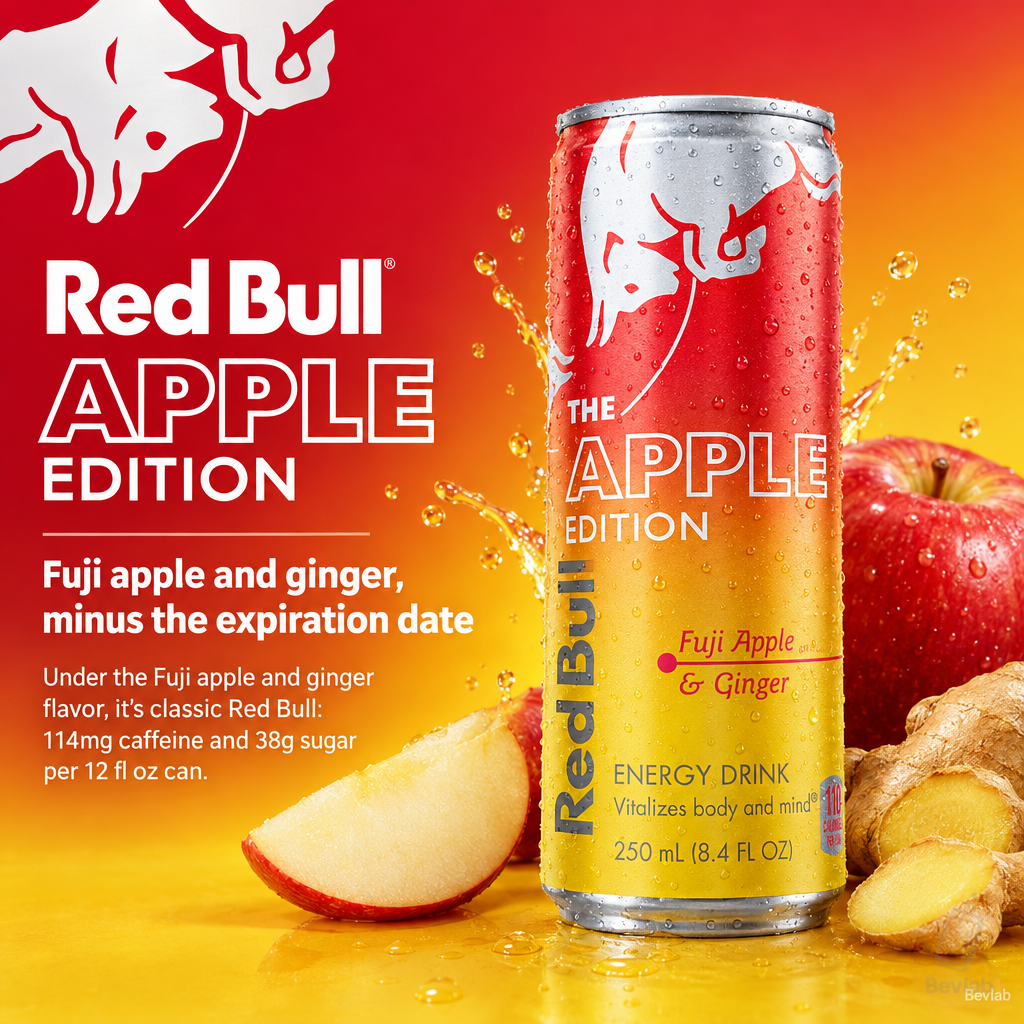
Red Bull launched its original energy drink in Austria in 1987, and seasonal editions keep its decades-old lineup from going stale. Winter is one of several seasonal slots. Others include the 2026 Summer Edition Sudachi Lime and the Red Bull Apple Edition.
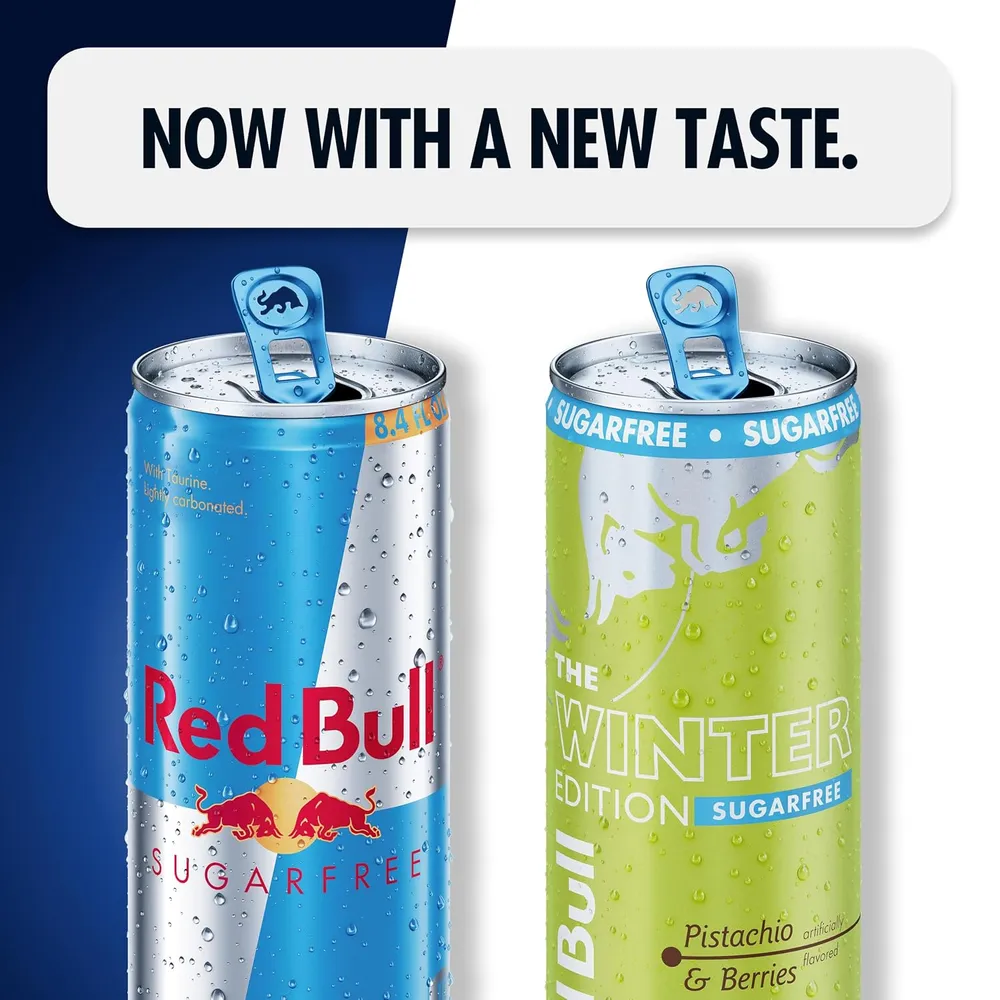
Winter Edition comes in a full-sugar version and this Sugarfree one, which gets its sweetness from sucralose and acesulfame potassium. That keeps it at 0g sugar and 15 calories per can.
Pistachio, Berries, and What Came Before
The 2026 Winter Edition Sugarfree flavor is Pistachio & Berries: a subtle pistachio taste and hints of caramel, followed by a bright berry blend and a smooth finish. An earlier Winter Edition Sugarfree run used Iced Vanilla Berry, and the widget below tracks the flavors as they change.
- Iced Vanilla Berry (24 12oz Cans: $107.99)
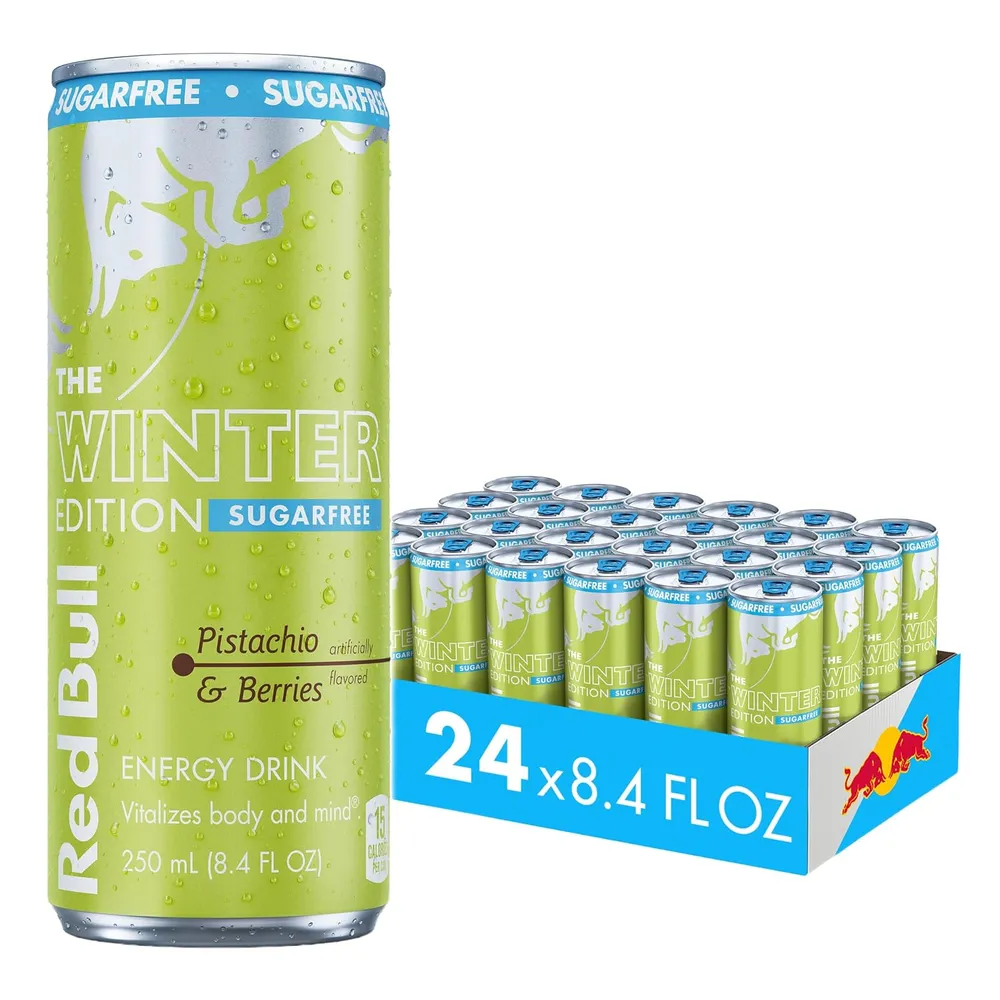
- Pistachio & Berries (24 8.4oz Cans: $58.15)
Winter Flavor for Sugar-Free Regulars
This one is for sugar-free Red Bull regulars who want a seasonal flavor. The formula is the standard caffeine, taurine, and B-vitamin build, so the flavor is the whole pitch. If you're stacking cans with a B-complex or pre-workout, watch your total vitamin B6.
References
- McLellan, Tom M. et al. "A Review Of Caffeine S Effects On Cognitive Physical And Occupational Performance." Neuroscience & Biobehavioral Reviews, 2016. https://doi.org/10.1016/j.neubiorev.2016.09.001
- Einöther, Suzanne J L, et al. "Caffeine as an attention enhancer: reviewing existing assumptions." Psychopharmacology, 2013. https://doi.org/10.1007/s00213-012-2917-4
- Nehlig, Astrid. "Interindividual Differences in Caffeine Metabolism and Factors Driving Caffeine Consumption." Pharmacological reviews, 2018. https://doi.org/10.1124/pr.117.014407
- Drake, Christopher, et al. "Caffeine effects on sleep taken 0, 3, or 6 hours before going to bed." Journal of clinical sleep medicine : JCSM : official publication of the American Academy of Sleep Medicine, 2013. https://doi.org/10.5664/jcsm.3170
- Wikoff, Daniele, et al. "Systematic review of the potential adverse effects of caffeine consumption in healthy adults, pregnant women, adolescents, and children." Food and chemical toxicology : an international journal published for the British Industrial Biological Research Association, 2017. https://doi.org/10.1016/j.fct.2017.04.002
- Ripps, Harris, et al. "Review: taurine: a "very essential" amino acid." Molecular vision, 2012. https://pmc.ncbi.nlm.nih.gov/articles/PMC3501277/
- Waldron, Mark, et al. "The Effects of an Oral Taurine Dose and Supplementation Period on Endurance Exercise Performance in Humans: A Meta-Analysis." Sports medicine (Auckland, N.Z.), 2018. https://doi.org/10.1007/s40279-018-0896-2
- Deng, Hengzhi, et al. "Does One Shot Work? The Acute Impact of a Single Taurine Dose on Exercise Performance: A Meta-Analytic Review." Scandinavian journal of medicine & science in sports, 2025. https://doi.org/10.1111/sms.70123
- Deng, Hengzhi, et al. "Caffeine and taurine: a systematic review and network meta-analysis of their individual and combined effects on physical capacity, cognitive function, and physiological markers." Journal of the International Society of Sports Nutrition, 2025. https://doi.org/10.1080/15502783.2025.2566371
- Cao, Qinglong, et al. "Effects of taurine supplementation on cognitive function: a systematic review and meta-analysis of randomised controlled trials." International journal of food sciences and nutrition, 2025. https://doi.org/10.1080/09637486.2025.2499044
- Tzang, Chih-Chen, et al. "Taurine reduces the risk for metabolic syndrome: a systematic review and meta-analysis of randomized controlled trials." Nutrition & diabetes, 2024. https://doi.org/10.1038/s41387-024-00289-z
- Gasperi, Valeria, et al. "Niacin in the Central Nervous System: An Update of Biological Aspects and Clinical Applications." International journal of molecular sciences, 2019. https://doi.org/10.3390/ijms20040974
- Minto, Clara, et al. "Definition of a tolerable upper intake level of niacin: a systematic review and meta-analysis of the dose-dependent effects of nicotinamide and nicotinic acid supplementation." Nutrition reviews, 2017. https://doi.org/10.1093/nutrit/nux011
- EFSA Panel on Nutrition, Novel Foods and Food Allergens (NDA), et al. "Scientific opinion on the tolerable upper intake level for vitamin B6." EFSA journal. European Food Safety Authority, 2023. https://doi.org/10.2903/j.efsa.2023.8006
- van Hunsel, Florence, et al. "Vitamin B6 in Health Supplements and Neuropathy: Case Series Assessment of Spontaneously Reported Cases." Drug safety, 2018. https://doi.org/10.1007/s40264-018-0664-0
- Lyon, Peter, et al. "B Vitamins and One-Carbon Metabolism: Implications in Human Health and Disease." Nutrients, 2020. https://doi.org/10.3390/nu12092867
- Markun, Stefan, et al. "Effects of Vitamin B12 Supplementation on Cognitive Function, Depressive Symptoms, and Fatigue: A Systematic Review, Meta-Analysis, and Meta-Regression." Nutrients, 2021. https://doi.org/10.3390/nu13030923
- Freese, Riitta, et al. "Pantothenic acid - a scoping review for Nordic Nutrition Recommendations 2023." Food & nutrition research, 2023. https://doi.org/10.29219/fnr.v67.10255
- EFSA, Panel on Food Additives and Flavourings (FAF), et al. "Re-evaluation of sucralose (E 955) as a food additive and evaluation of a new application on extension of use of sucralose (E 955) in fine bakery wares." EFSA journal. European Food Safety Authority, 2026. https://doi.org/10.2903/j.efsa.2026.9854
- Suez, Jotham, et al. "Personalized microbiome-driven effects of non-nutritive sweeteners on human glucose tolerance." Cell, 2022. https://doi.org/10.1016/j.cell.2022.07.016
- Chowdhury, Chandrama Roy, et al. "Beyond sweetness: A review of the health and safety of acesulfame-K." Food chemistry, 2026. https://doi.org/10.1016/j.foodchem.2025.147290
- Marchitti, Satori A, et al. "Lack of Genotoxic and Carcinogenic Potential for Nonsugar Sweeteners: A Review of Animal and Mechanistic Evidence." Advances in nutrition (Bethesda, Md.), 2025. https://doi.org/10.1016/j.advnut.2025.100552
- Singh, Nidhi, et al. "Natural food flavours: a healthier alternative for bakery industry-a review." Journal of food science and technology, 2024. https://doi.org/10.1007/s13197-023-05782-4
Related Coverage
Tagged