Staed Clean & Sparkling Productivity Drink: Focus First, Caffeine Second
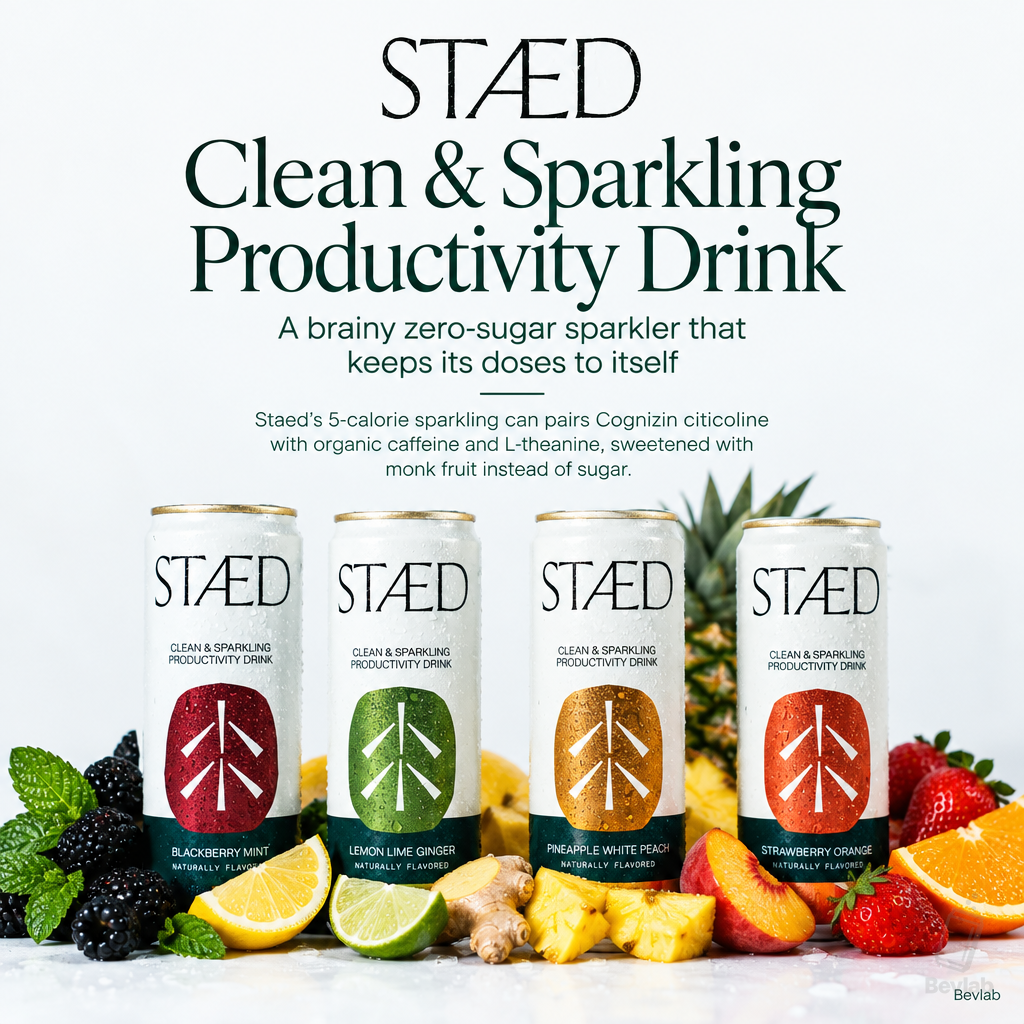
A brainy zero-sugar sparkler that keeps its doses to itself
Staed's 5-calorie sparkling can pairs Cognizin citicoline with organic caffeine and L-theanine, sweetened with monk fruit instead of sugar.
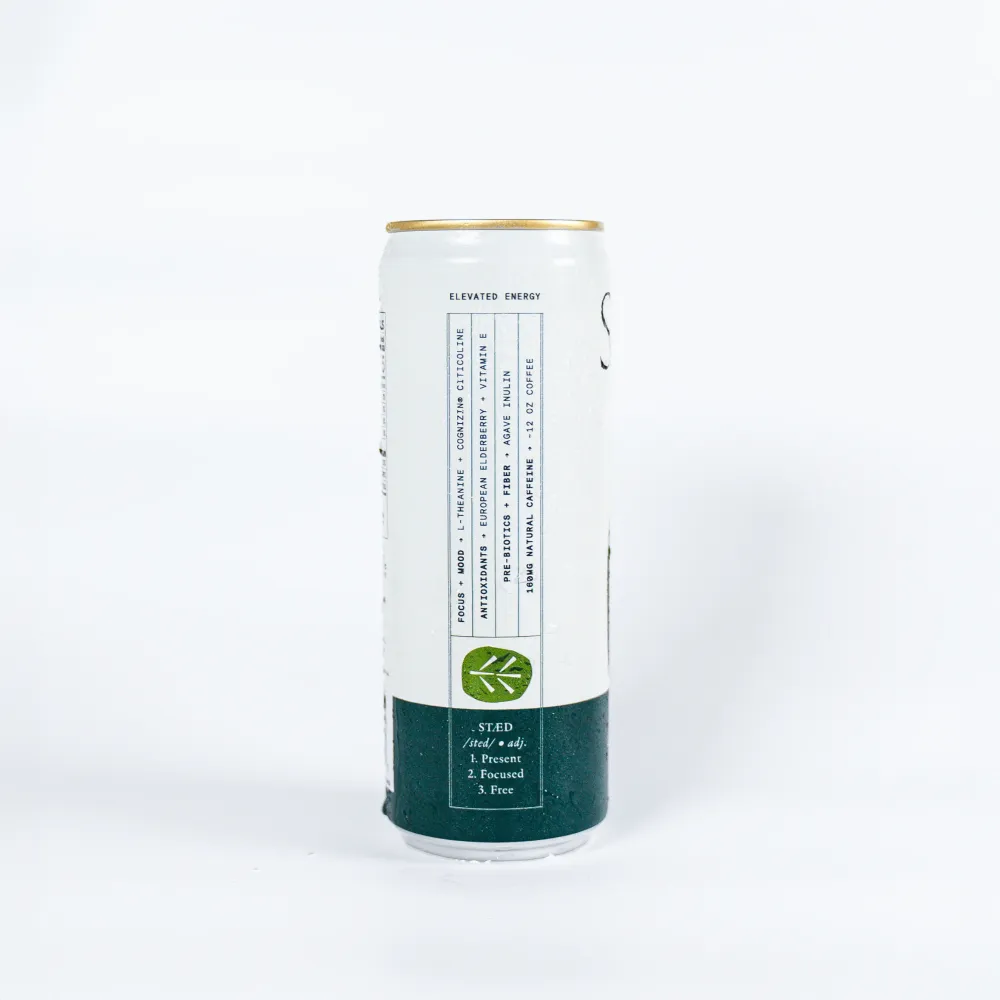
Staed Clean & Sparkling Productivity Drink is a zero-sugar focus drink sweetened with monk fruit. Instead of leading with a big caffeine number, Staed builds it around Cognizin citicoline. Cognizin is Kyowa Hakko's branded citicoline, one of the better-studied focus ingredients you'll find in a can, and Staed backs it with organic caffeine and L-theanine. The brand's tagline is "High IQ Energy," and its pitch leans on focus through the gut-brain axis. That's why organic agave inulin and organic elderberry are in the formula too.
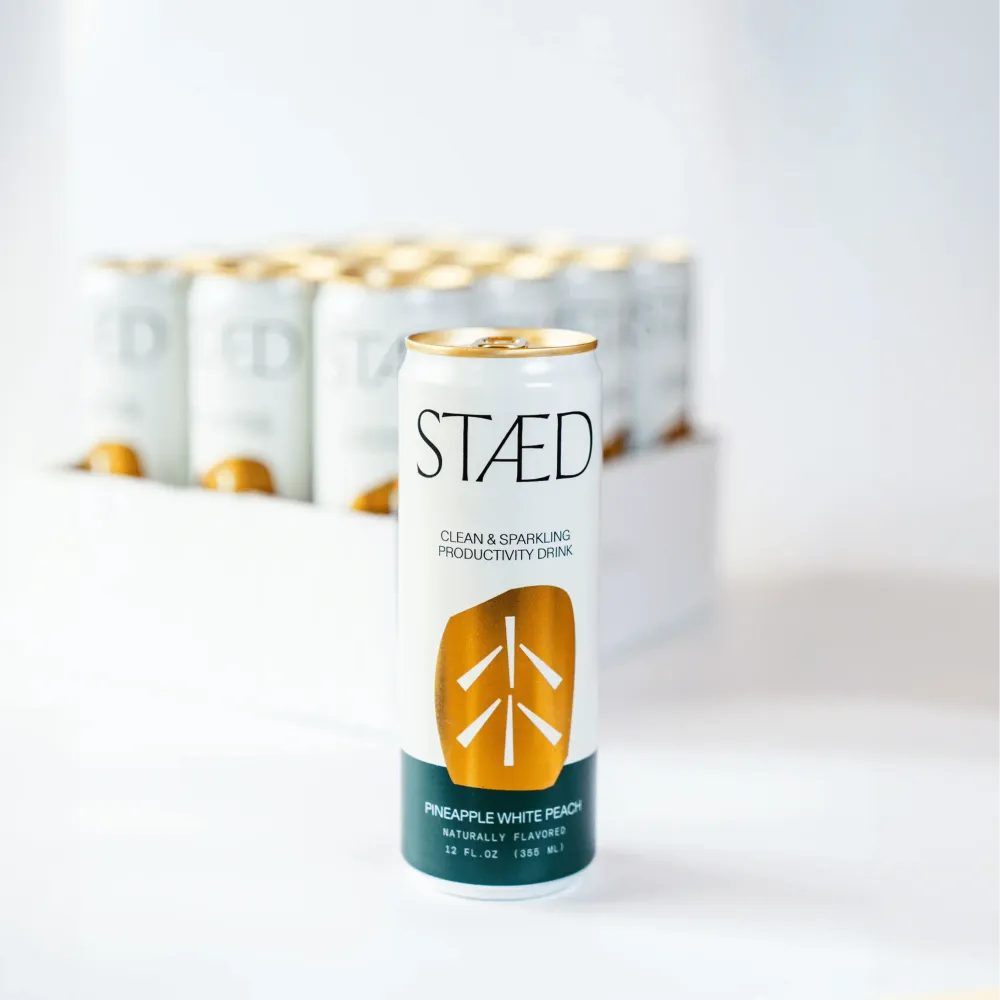
This is a desk drink more than a gym drink, made for workdays, study sessions, and the afternoon slump. Each can has 5 calories, 1g of fiber, and a full Daily Value of vitamin B6 and biotin. The can doesn't print how much caffeine, citicoline, or L-theanine is inside. So the sections below stick to what the label actually shows and what the research says about each ingredient at the doses that were studied.
Staed Clean & Sparkling Productivity Drink Nutrition Facts
These numbers come from the Blackberry Mint can. The other flavors share the same core ingredients.
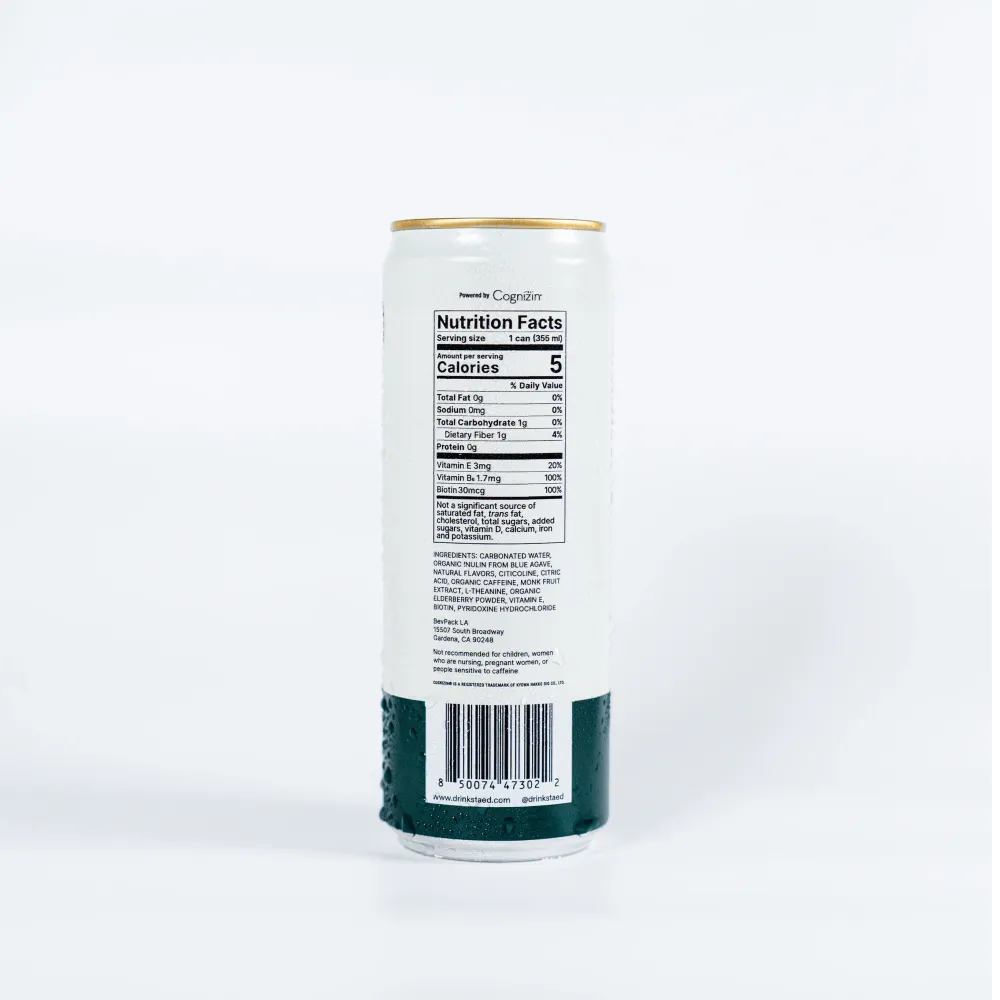
- Calories: 5
- Total Fat: 0g (0% DV)
- Total Carbohydrate: 1g (0% DV)
- Dietary Fiber: 1g (4% DV)
- Protein: 0g
- Vitamins and Minerals
- Sodium: 0mg (0% DV)
- Vitamin E: 3mg (20% DV)
- Vitamin B6: 1.7mg (100% DV)
- Biotin: 30mcg (100% DV)
Staed sells it as zero sugar, and the only carbohydrate on the panel is that gram of fiber. The macros aren't the story here. The fiber and the B6 and biotin pairing matter more to how the drink is positioned.
What the Ingredient Order Suggests
Staed doesn't print doses for its three headline actives, so the ingredient list is the best clue you get. U.S. ingredient lists normally run from most to least by weight. On this can, citicoline sits fourth, right after carbonated water, inulin, and natural flavors. Organic caffeine comes two spots later, behind citric acid. L-theanine lands eighth, behind monk fruit extract.
Read plainly, that suggests a focus-first build: more citicoline than caffeine by weight, and more caffeine than L-theanine. That fits the "productivity drink" label better than the usual energy drink setup, where caffeine is the main event.
Order isn't a dose, though. It can't tell you whether the citicoline reaches the 250-500mg range used in the Cognizin trials. It also can't tell you whether the caffeine is closer to a cup of tea or a strong coffee. Treat the order as a rough guide, not a measurement. If Staed ever prints the numbers, this section gets a lot more interesting.
Staed Clean & Sparkling Productivity Drink Ingredients
Each 12 fl oz (355mL) can contains these key actives. Staed doesn't disclose the amount of any of them.
-
Citicoline (as Cognizin)
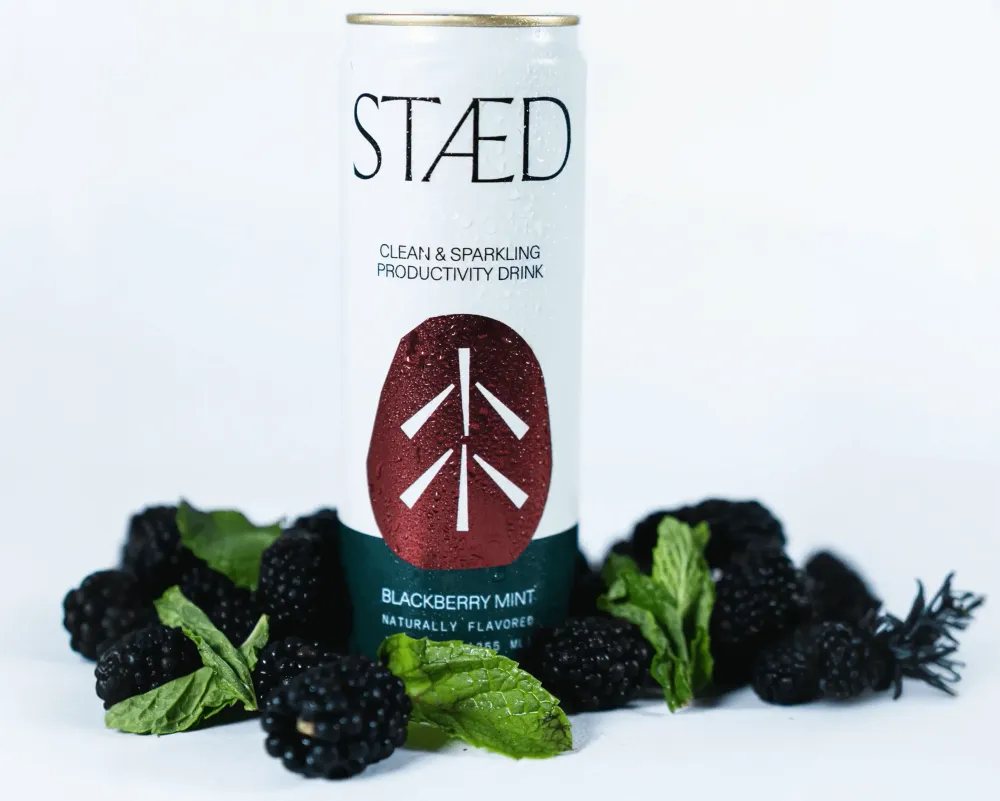
Citicoline is the formula's headliner, and the can carries the Cognizin logo, Kyowa Hakko's branded form of the ingredient. After you drink it, your body splits citicoline into choline and cytidine. Your brain uses those pieces to make acetylcholine, a messenger behind focus and memory, and to rebuild phosphatidylcholine, a core building block of brain cell membranes.[1] Reviews also describe it raising dopamine activity, which is one proposed reason it keeps showing up in attention research.[2]
The Cognizin trials are the most relevant evidence. In 60 healthy women aged 40-60, 250mg or 500mg daily for 28 days reduced errors on a sustained-attention test compared to placebo.[3] In 75 adolescent boys, the same doses over 28 days improved motor speed and attention speed.[4] In 100 adults aged 50-85 with age-related memory complaints, 500mg daily for 12 weeks improved episodic memory over placebo, although the main working-memory measure didn't separate.[5] Kyowa Hakko funded or partnered on much of this work, so weigh it accordingly.
Two caveats apply to Staed. The amount per can isn't disclosed, so you can't match it to those study doses. And the trials ran daily for weeks, which fits Staed's drink-it-daily message but isn't the same as one can. A single-dose trial also found that results depended on baseline: lower performers improved, while top performers slightly declined.[6]
-
Organic Caffeine
Organic caffeine handles the energy side. The label confirms it's organic but doesn't name the plant source or the amount. Caffeine blocks the signal that makes you feel tired, which is why it's so dependable for alertness.[7] A broad review found that roughly 40-300mg improves alertness, vigilance, attention, and reaction time. Effects on memory and higher-level thinking were less consistent.[8] Another review of placebo-controlled studies in healthy adults concluded that caffeine helps both simple and complex attention tasks, and that the benefit isn't only relief from withdrawal.[9]
Small amounts can do a lot for focus. In a crossover study of 27 regular caffeine users, just 50mg improved alertness and attention-switching accuracy. Adding 100mg L-theanine improved attention switching further and reduced distraction on a memory task.[10]
Without a printed number, you can't tell whether this is a 50mg sipper or a 200mg can, and that makes it harder to plan your day around. Timing matters: in one sleep study, 400mg taken even six hours before bed disrupted sleep.[11] How people respond also varies a lot with genetics, medications, smoking, and how much caffeine they usually drink.[12] For healthy adults, a large safety review found intakes up to 400mg/day weren't linked to obvious adverse effects.[13]
-
L-Theanine
L-theanine is an amino acid from tea leaves and the classic partner for caffeine. On its own, 50-200mg has been linked to the relaxed-focus state within about 40 minutes, the calm-but-alert feeling people know from green tea.[14] It also appears to dampen glutamate signaling and raise GABA, which helps explain its calming reputation.[15]
The strongest evidence comes from pairing it with caffeine. A meta-analysis of 11 trials found the combination improved alertness and attention switching compared to placebo, though most of the attention gains tracked with the caffeine dose.[16] In a 24-person crossover trial, 250mg L-theanine with 150mg caffeine improved reaction time, accuracy, and alertness and reduced tiredness. Neither ingredient fully matched those results alone.[17] In another trial, 200mg L-theanine and 160mg caffeine had additive effects on attention measures.[18]
Look at the ratios: those studies used as much L-theanine as caffeine, or more. Staed doesn't disclose either amount, and L-theanine sits behind caffeine on the ingredient list, so the can probably contains less theanine than caffeine. Safety looks solid, with no serious adverse events reported in trials at up to 900mg/day.[19]
-
Organic Inulin from Blue Agave
Inulin is the ingredient behind Staed's gut-brain angle, and here it's organic and comes from blue agave. It's a chain of fructose units that your small intestine can't digest, so it reaches the colon intact. There, gut bacteria such as Bifidobacterium ferment it, which is what makes it a prebiotic.[20,21] That fermentation produces short-chain fatty acids, which fuel the cells lining your colon and affect gut hormones tied to appetite and metabolism.[22]
The panel shows 1g of total dietary fiber per can (4% DV), and the label doesn't say how much of that is inulin. Either way, it's a small amount compared to the research. A dose-response meta-analysis of 33 trials found blood sugar benefits showed up reliably at around 10g/day for six weeks or longer, mostly in people with prediabetes or type 2 diabetes.[23] None of this research shows that a gram of inulin in a drink sharpens focus.
The small dose does have an upside: it's easy on your stomach. A review of fiber tolerance trials found inulin up to about 5g/day generally caused nothing worse than mild gas.[24] Think of it as a fiber bump and a nice formula touch, not the source of the focus.
-
Vitamins and Minerals
-
Vitamin E - 3mg (20% DV)
Vitamin E is a fat-soluble antioxidant nutrient. The label just says "vitamin E" without naming a form, so you can't tell which kind is in the can. At 3mg, it's a modest nutritional amount, far below the 400 IU/day supplement doses that raised mortality concerns in long-term trials.[25]
-
Biotin - 30mcg (100% DV)
Biotin (vitamin B7) helps the enzymes that build fats, make glucose, and break down certain amino acids.[26] Staed's 30mcg matches the U.S. adequate intake for adults.[27] Don't read it as a hair-and-nails play. No controlled trials have shown that benefit in people who aren't deficient.[27] The lab-test interference linked to biotin comes from high-dose supplements, far above this amount.[28]
-
Vitamin B6 (as Pyridoxine Hydrochloride) - 1.7mg (100% DV)
Vitamin B6 comes here as pyridoxine hydrochloride, a stable, inexpensive form common in beverages. Your body converts it to pyridoxal-5'-phosphate, a coenzyme in more than 140 reactions, including amino acid metabolism and neurotransmitter production.[29] At 1.7mg, it's well under EFSA's 12mg/day adult upper limit.[30] B6 does add up if you stack fortified drinks, multivitamins, and pre-workouts.[31]
-
-
Sweeteners and Flavors
-
Monk Fruit Extract
Monk fruit extract is the sweetener, made from the dried fruit of Siraitia grosvenorii. Its sweetness comes from mogrosides, mainly mogroside V, which is hundreds of times sweeter than sugar and has essentially no calories.[32] It has GRAS status in the U.S. through several notices. EU regulators, however, said the available toxicity data weren't enough to approve it as a food additive there.[32] Most of the health-benefit research comes from animal and test-tube studies, so treat it as a zero-sugar sweetener, not a functional ingredient.[33] Used too heavily, it can taste bitter or metallic.[33]
-
Natural Flavors
Natural flavors supply each can's fruit, mint, and ginger notes. Under FDA rules, "natural flavor" is defined by where a flavor comes from, such as plants, fruit, or fermentation, rather than by its chemistry. A natural version of a flavor molecule can be chemically identical to an artificial one.[34] Staed doesn't disclose the specific sources, which is standard practice. They're there for taste, not function.
-
-
Other Ingredients
- Carbonated Water - The base of the drink and the "sparkling" in the name.
- Citric Acid - A standard acid in carbonated drinks that adds tartness and helps control acidity.
- Organic Elderberry Powder - Staed promotes organic elderberry as part of every flavor, but the label doesn't list an amount and puts it ninth among the ingredients. With no dose to go on, treat it as a minor ingredient rather than a functional one.
Four Flavors, Tuned Separately
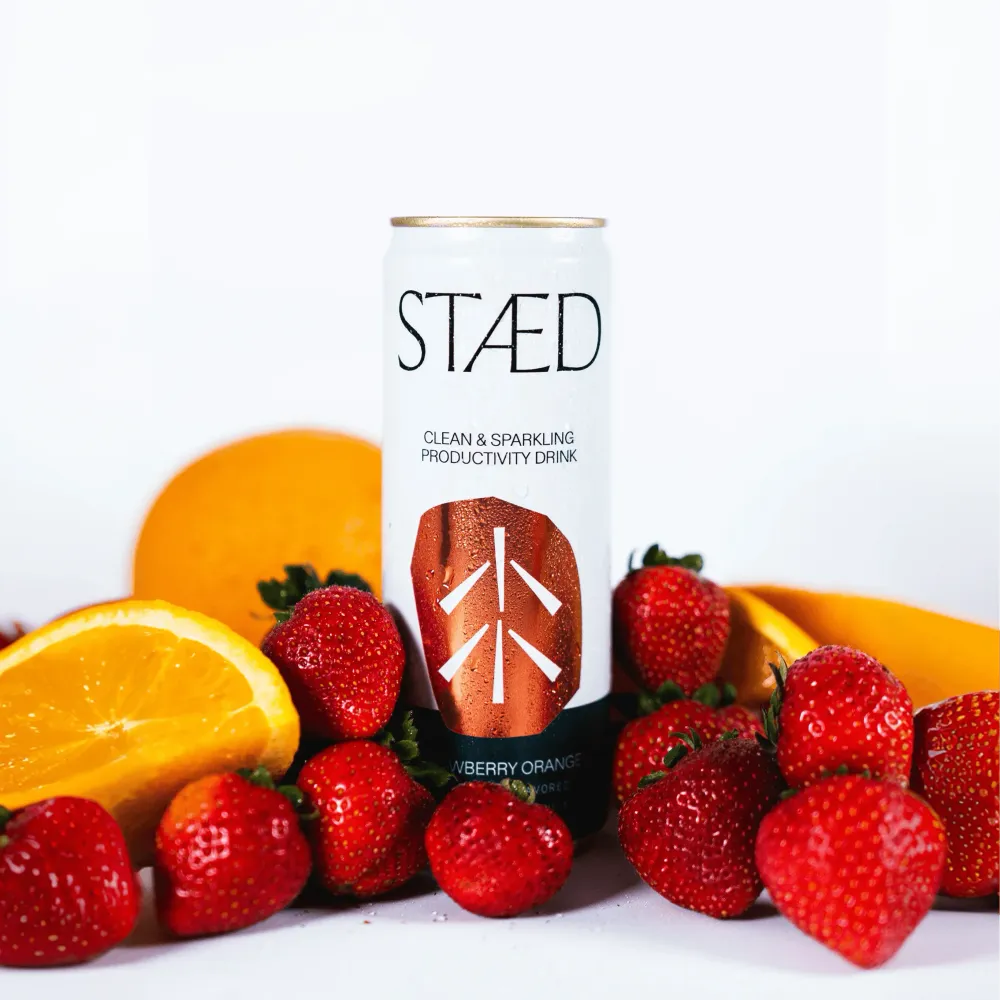
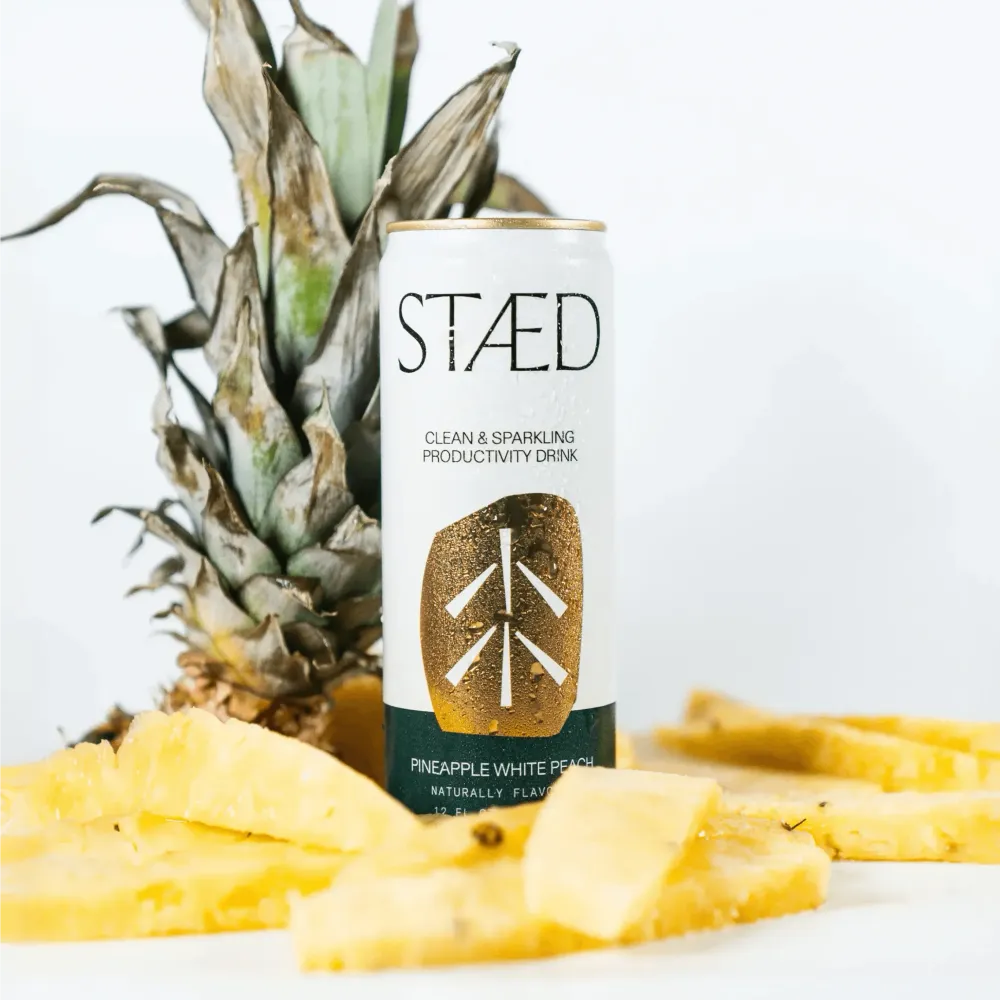
The launch lineup had four fruit-forward flavors, including Blackberry Mint and Lemon Lime Ginger, plus a 12-can variety pack with three of each. Staed sets the sweetness for each flavor separately instead of using one level across the line, which makes sense with a sweetener like monk fruit that turns bitter when overused.
- Blackberry Mint (12 Cans: $39.99)
- Lemon Lime Ginger (12 Cans: $39.99)
- Pineapple White Peach (12 Cans: $39.99)
- Strawberry Orange (12 Cans: $39.99)
- Variety Pack (12 Cans: $39.99)
Who Should Skip It
- Kids, pregnant or nursing women, and caffeine-sensitive drinkers: The can says it's not recommended for children, women who are nursing, pregnant women, or people sensitive to caffeine. Since the caffeine amount isn't printed, that last group can't size up a can by the numbers.
Smart Formula, Quiet Label
Staed made this for people who want a focus-leaning can instead of a caffeine bomb, and the ingredient choices back that up: Cognizin, caffeine with L-theanine, monk fruit instead of sugar, and a little extra fiber. What keeps it from an easy recommendation is the label. Without citicoline, caffeine, and L-theanine amounts, you're trusting the brand on exactly the doses the research depends on. If you try a can, tell us how it hits on @BevlabMedia on TikTok and Instagram.
References
- Conant, Richard, et al. "Therapeutic applications of citicoline for stroke and cognitive dysfunction in the elderly: a review of the literature." Alternative medicine review : a journal of clinical therapeutic, 2004. https://pubmed.ncbi.nlm.nih.gov/15005642/
- Secades, Julio J, et al. "Citicoline: pharmacological and clinical review, 2006 update." Methods and findings in experimental and clinical pharmacology, 2006. https://pubmed.ncbi.nlm.nih.gov/17171187/
- McGlade, Erin, et al. "Improved Attentional Performance Following Citicoline Administration In Healthy Adult Women." Food and Nutrition Sciences, 2012. https://doi.org/10.4236/fns.2012.36103
- McGlade, Erin, et al. "The Effect of Citicoline Supplementation on Motor Speed and Attention in Adolescent Males." Journal of attention disorders, 2019. https://doi.org/10.1177/1087054715593633
- Nakazaki, Eri, et al. "Citicoline and Memory Function in Healthy Older Adults: A Randomized, Double-Blind, Placebo-Controlled Clinical Trial." The Journal of Nutrition, 2021. https://doi.org/10.1093/jn/nxab119
- Knott, Verner, et al. "Neurocognitive effects of acute choline supplementation in low, medium and high performer healthy volunteers." Pharmacology Biochemistry and Behavior, 2015. https://doi.org/10.1016/j.pbb.2015.02.004
- Fredholm, Bertil B. et al. "Actions of Caffeine in the Brain with Special Reference to Factors That Contribute to Its Widespread Use." Pharmacological Reviews, 1999. https://doi.org/10.1016/S0031-6997(24)01396-6
- McLellan, Tom M. et al. "A Review Of Caffeine S Effects On Cognitive Physical And Occupational Performance." Neuroscience & Biobehavioral Reviews, 2016. https://doi.org/10.1016/j.neubiorev.2016.09.001
- Einöther, Suzanne J L, et al. "Caffeine as an attention enhancer: reviewing existing assumptions." Psychopharmacology, 2013. https://doi.org/10.1007/s00213-012-2917-4
- Owen, Gail N, et al. "The combined effects of L-theanine and caffeine on cognitive performance and mood." Nutritional neuroscience, 2008. https://doi.org/10.1179/147683008X301513
- Drake, Christopher, et al. "Caffeine effects on sleep taken 0, 3, or 6 hours before going to bed." Journal of clinical sleep medicine : JCSM : official publication of the American Academy of Sleep Medicine, 2013. https://doi.org/10.5664/jcsm.3170
- Nehlig, Astrid. "Interindividual Differences in Caffeine Metabolism and Factors Driving Caffeine Consumption." Pharmacological reviews, 2018. https://doi.org/10.1124/pr.117.014407
- Wikoff, Daniele, et al. "Systematic review of the potential adverse effects of caffeine consumption in healthy adults, pregnant women, adolescents, and children." Food and chemical toxicology : an international journal published for the British Industrial Biological Research Association, 2017. https://doi.org/10.1016/j.fct.2017.04.002
- Juneja, L. "L-theanine—a unique amino acid of green tea and its relaxation effect in humans." Trends in Food Science & Technology, 1999. https://doi.org/10.1016/s0924-2244(99)00044-8
- Lopes Sakamoto, Filipe, et al. "Psychotropic Effects Of L Theanine And Its Clinical Properties From The Management Of Anxiety And Stress To A Potential Use In Schizophrenia." Pharmacological research, 2019. https://doi.org/10.1016/j.phrs.2019.104395
- Camfield, David A, et al. "Acute effects of tea constituents L-theanine, caffeine, and epigallocatechin gallate on cognitive function and mood: a systematic review and meta-analysis." Nutrition reviews, 2014. https://doi.org/10.1111/nure.12120
- Haskell, Crystal F, et al. "The Effects Of L Theanine Caffeine And Their Combination On Cognition And Mood." Biological psychology, 2008. https://doi.org/10.1016/j.biopsycho.2007.09.008
- Kahathuduwa, Chanaka N, et al. "Acute Effects Of Theanine Caffeine And Theanine Caffeine Combination On Attention." Nutritional neuroscience, 2017. https://doi.org/10.1080/1028415X.2016.1144845
- Moshfeghinia, Reza, et al. "The effects of L-theanine supplementation on the outcomes of patients with mental disorders: a systematic review." BMC Psychiatry, 2024. https://doi.org/10.1186/s12888-024-06285-y
- Meyer, D, et al. "The bifidogenic effect of inulin and oligofructose and its consequences for gut health." European journal of clinical nutrition, 2009. https://doi.org/10.1038/ejcn.2009.64
- Davani-Davari, Dorna, et al. "Prebiotics: Definition, Types, Sources, Mechanisms, and Clinical Applications." Foods, 2019. https://doi.org/10.3390/foods8030092
- den Besten, Gijs, et al. "The role of short-chain fatty acids in the interplay between diet, gut microbiota, and host energy metabolism." Journal of Lipid Research, 2013. https://doi.org/10.1194/jlr.r036012
- Wang, Long, et al. "Inulin-type fructans supplementation improves glycemic control for the prediabetes and type 2 diabetes populations: results from a GRADE-assessed systematic review and dose-response meta-analysis of 33 randomized controlled trials." Journal of translational medicine, 2019. https://doi.org/10.1186/s12967-019-02159-0
- Mysonhimer, Annemarie R, et al. "Gastrointestinal Effects and Tolerance of Nondigestible Carbohydrate Consumption." Advances in nutrition (Bethesda, Md.), 2022. https://doi.org/10.1093/advances/nmac094
- Miller, Edgar R, et al. "Meta-analysis: high-dosage vitamin E supplementation may increase all-cause mortality." Annals of internal medicine, 2005. https://doi.org/10.7326/0003-4819-142-1-200501040-00110
- Solvik, Beate Stokke, et al. "Biotin: a scoping review for Nordic Nutrition Recommendations 2023." Food & nutrition research, 2024. https://doi.org/10.29219/fnr.v68.10256
- Patel, Deepa P, et al. "A Review of the Use of Biotin for Hair Loss." Skin appendage disorders, 2017. https://doi.org/10.1159/000462981
- Mrosewski, Ingo, et al. "Interference of High Dose Biotin Supplementation with Thyroid Parameters in Immunoassays Utilizing the Interaction between Streptavidin and Biotin: a Case Report and Review of Current Literature." Clinical laboratory, 2019. https://doi.org/10.7754/Clin.Lab.2018.180637
- di Salvo, Martino Luigi, et al. "Vitamin B(6) salvage enzymes: mechanism, structure and regulation." Biochimica et Biophysica Acta (BBA) - Proteins and Proteomics, 2011. https://doi.org/10.1016/j.bbapap.2010.12.006
- EFSA Panel on Nutrition, Novel Foods and Food Allergens (NDA), et al. "Scientific opinion on the tolerable upper intake level for vitamin B6." EFSA journal. European Food Safety Authority, 2023. https://doi.org/10.2903/j.efsa.2023.8006
- van Hunsel, Florence, et al. "Vitamin B6 in Health Supplements and Neuropathy: Case Series Assessment of Spontaneously Reported Cases." Drug safety, 2018. https://doi.org/10.1007/s40264-018-0664-0
- EFSA, Panel on Food Additives and Flavourings (FAF), et al. "Safety of use of Monk fruit extract as a food additive in different food categories." EFSA journal. European Food Safety Authority, 2019. https://doi.org/10.2903/j.efsa.2019.5921
- Yeung, Andy Wai Kan. "Bibliometric analysis on the literature of monk fruit extract and mogrosides as sweeteners." Frontiers in nutrition, 2023. https://doi.org/10.3389/fnut.2023.1253255
- Goodman, Matthew J. "The “Natural” vs. “Natural Flavors” Conflict in Food Labeling: A Regulatory Viewpoint." Food and drug law journal, 2017. https://pubmed.ncbi.nlm.nih.gov/29140655/
Tagged